









As we navigate the complexities of an aging population, the intersection of financial security and long-term care has never been more critical. In recognition of October as “Financial Planning and Long-Term Care Planning Month,” the Caregiving Club On Air podcast recently hosted an insightful session featuring Ted Butler, the host of the Mutual of Omaha podcast, The Voice of Reverse Mortgage.
Hosted by Sherri Snelling—a renowned corporate gerontologist, author, and CEO of the Caregiving Club—this episode (Season 6, Episode 75) provides a deep dive into how financial instruments like reverse mortgages are evolving to serve as vital tools for seniors and their caregivers.
The Evolution of Financial Planning for Seniors
Financial planning in the context of aging is no longer just about retirement savings; it is about managing the escalating costs of long-term care and maintaining independence. For many older adults, particularly those who are "solo agers" or women over the age of 70, the equity tied up in their primary residence represents their most significant—and often most underutilized—asset.
During the interview, Sherri Snelling and Ted Butler explored the paradigm shift in how reverse mortgages are perceived. Once viewed with skepticism, these financial products are increasingly being integrated into holistic wealth management strategies. They serve as a bridge, allowing seniors to tap into their home equity without the burden of monthly mortgage payments, thereby freeing up cash flow for essential needs such as in-home care, medical expenses, or home modifications.

Understanding the Reverse Mortgage: A Strategic Tool
A reverse mortgage, or Home Equity Conversion Mortgage (HECM), is a federally insured loan that allows homeowners aged 62 and older to convert a portion of their home equity into cash. Unlike a traditional mortgage, the borrower is not required to make monthly payments. Instead, the loan balance becomes due when the homeowner sells the home, moves out permanently, or passes away.
Key Considerations for Borrowers:
- Asset Utilization: It allows seniors to age in place by providing the liquidity needed to pay for professional caregiving services.
- Eligibility Requirements: Borrowers must meet age requirements, maintain the property as their primary residence, and keep up with property taxes and insurance.
- Impact on Inheritance: While the loan reduces the equity left to heirs, it often prevents the necessity of selling a family home prematurely to fund care.
- Solo Ager Advantage: For those without a spouse or family nearby to assist with daily finances, the structured payouts can provide a reliable safety net.
A Milestone for the "Caregiving Club On Air"
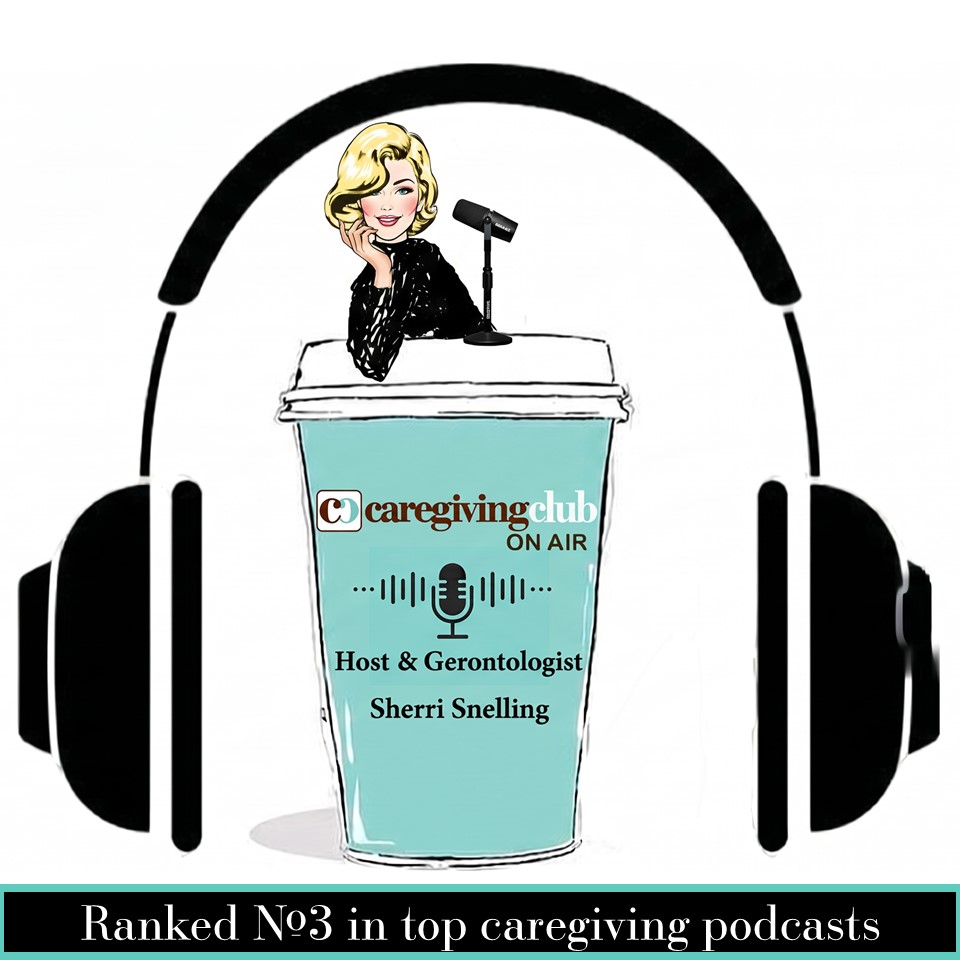
The conversation with Ted Butler arrives at a time of significant growth for the Caregiving Club. As the podcast embarks on its 6th season, it has achieved a prestigious #3 ranking among the Top 80 caregiving podcasts globally, according to the research firm Feedspot.
This recognition highlights the growing demand for expert-led, compassionate, and practical advice on the realities of the “Sandwich Generation”—individuals caught between caring for aging parents and their own children. The podcast’s success is a testament to its commitment to providing high-quality educational content that resonates with millions of family caregivers.
Expanding the Reach: The Shift to Multimedia
Recognizing that caregivers often have limited time, the Caregiving Club is expanding its footprint. The popular Caregiver Wellness News and Well Home Design News segments, which were previously exclusive to the podcast, are transitioning to a dedicated YouTube channel: "Caregiving Club News."

This strategic move aims to centralize resources for employees who are balancing professional responsibilities with caregiving duties. By moving to a visual format, the Caregiving Club hopes to reach a broader audience, providing bi-weekly updates on research, legislative changes, and actionable resources for those navigating the complex landscape of aging and care.
Implications for the Modern Workplace
A significant portion of the dialogue between Snelling and Butler touched upon the changing nature of the workforce. As the population ages, the number of employees who are also serving as primary caregivers for aging relatives is reaching record levels.
The "Gen C" Continuum
In her extensive writing, Sherri Snelling has identified the emergence of "Gen C"—a demographic defined not by age, but by the role of the caregiver. Companies that fail to recognize the financial and emotional stress placed on these employees risk losing talent and productivity.
The implications for employers are clear:
- Retention: Providing resources for financial and long-term care planning is a top-tier benefit.
- Productivity: Caregivers who feel supported by their employers in their personal challenges are more engaged and productive in the workplace.
- Culture Change: Moving from a "benefits checklist" approach to a culture that acknowledges the complexities of lifespan caregiving is the next frontier for human resources.
Supporting Data and Resource Integration
Effective long-term care planning requires a multi-faceted approach. Relying on a single source of income is rarely sufficient given the rising costs of assisted living and home health care. The resources highlighted in the podcast episode serve as a roadmap for families:
- Elder Care Locator: A public service of the U.S. Administration on Aging, which connects individuals with local area agencies on aging.
- Wellness Hacks: For caregivers facing burnout, tools like the "Self-Care in 7 Minutes" video series offer brief, actionable steps to maintain mental health.
- Financial Literacy: Education on how to manage care costs is paramount. Articles authored by Snelling for outlets like Forbes and Next Avenue provide a blueprint for everything from respite care to navigating the psychological toll of caregiving.
Official Perspectives and Future Trends
As we look toward the future, the dialogue surrounding reverse mortgages and financial planning is expected to become more nuanced. Government agencies are increasingly focusing on the "Age-Friendly" initiative, which promotes the integration of housing, transportation, and health care.
Ted Butler’s perspective as an expert in the reverse mortgage sector underscores that these products are not "one-size-fits-all." They require professional counseling and a thorough understanding of the long-term implications for the family unit. When used correctly, they can prevent the financial ruin that often accompanies an unexpected health crisis, allowing families to focus on care rather than the burden of debt.
Conclusion: Preparing for the Journey
Whether you are a professional caregiver, a family member balancing work and care, or an older adult planning for your own future, the message is consistent: Proactive planning is the greatest gift you can give yourself and your loved ones.

The Caregiving Club continues to serve as a beacon for those navigating these uncharted waters. By leveraging tools like the "Voice of Reverse Mortgage" podcast and staying informed through the new YouTube news channel, individuals can gain the confidence needed to make informed decisions.
For more information, listeners are encouraged to subscribe to the Caregiving Club on Apple Podcasts, Spotify, or YouTube. The journey of caregiving is long and often difficult, but with the right financial and emotional resources, it can be managed with grace, dignity, and security.
Resource Directory
- Podcast/Expert Access: The Voice of Reverse Mortgage
- Caregiver Support: Elder Care Locator
- Wellness Resources: Self-Care in 7 Minutes
- Education: Me Time Monday Book
- Professional Insight: Sherri Snelling’s Articles on LinkedIn