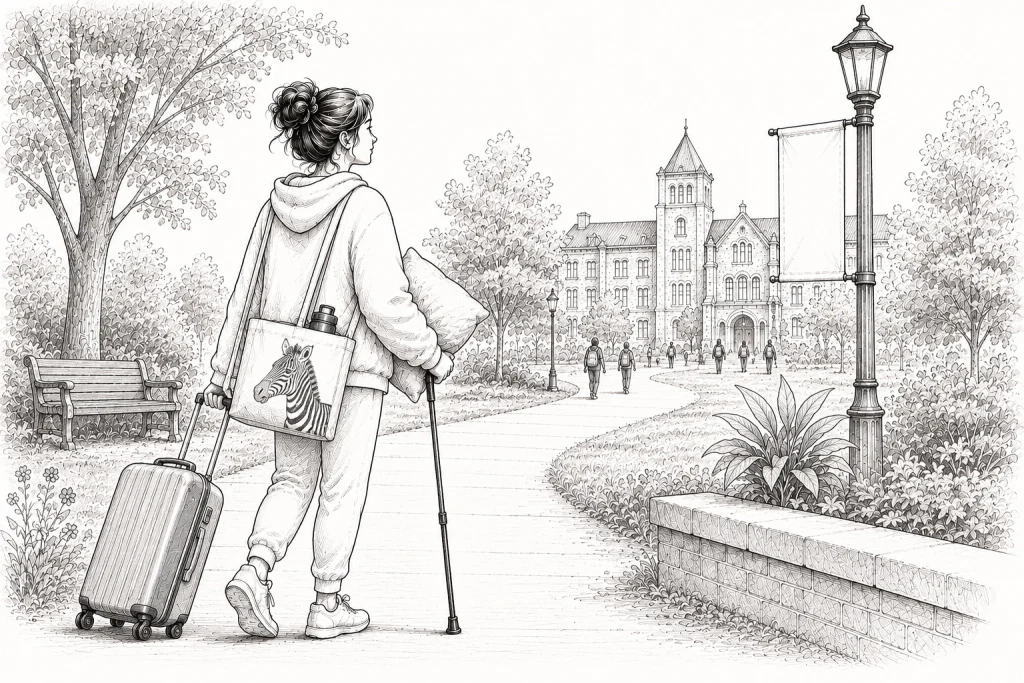
The transition to college is a milestone defined by newfound independence, intellectual growth, and the promise of a vibrant future. For the millions of students navigating life with Ehlers-Danlos Syndrome (EDS) and related hypermobility spectrum disorders, however, this transition requires more than just academic preparation—it demands a strategic approach to health management and institutional advocacy.
As a multi-systemic condition, EDS presents unique challenges that rarely fit within a "one-size-fits-all" framework. With the prevalence of co-occurring conditions like Postural Orthostatic Tachycardia Syndrome (POTS), Mast Cell Activation Syndrome (MCAS), and chronic pain, the collegiate experience for these students is often a delicate balancing act. This guide explores the essential steps to securing the support systems necessary to ensure that a student’s academic focus remains on their studies, not their symptoms.
The Reality of Chronic Illness in Academia: Key Facts
Ehlers-Danlos Syndrome is a group of hereditary connective tissue disorders characterized by joint hypermobility, skin hyperextensibility, and tissue fragility. Because collagen is found throughout the body, the symptoms are far-reaching.
According to the Ehlers-Danlos Society, the manifestation of the syndrome is highly individualized. In a university setting, this translates to unpredictable flare-ups that can disrupt attendance, cognitive function, and physical mobility. A critical misconception among students is the belief that they must wait for a crisis to occur before seeking help. Proactive disclosure and the establishment of a formal accommodation plan are the primary safeguards against academic instability.
Chronology: Preparing for Campus Life
Preparation should begin long before the first day of orientation. Students are encouraged to follow a phased timeline to ensure a smooth transition:
- 3–6 Months Prior to Enrollment: Begin gathering comprehensive medical documentation. This includes diagnostic reports, letters from specialists detailing specific functional limitations, and a summary of current treatment plans.
- 2 Months Prior: Contact the university’s Disability Services (DS) office. Schedule an intake meeting to discuss the documentation process and potential accommodations.
- 1 Month Prior: Reach out to individual professors. While not always legally required, establishing a professional rapport early can be instrumental in navigating classroom flexibility.
- The First Week: Audit the campus for physical accessibility—test the routes between classrooms, identify elevators, and locate quiet zones for rest.
Supporting Data: The Impact of Co-occurring Conditions
The "EDS profile" often includes a constellation of comorbidities that necessitate a broad spectrum of accommodations. Clinical observations indicate that:
- POTS: Affects autonomic function, often resulting in dizziness upon standing, exercise intolerance, and "brain fog."
- MCAS: Requires strictly controlled environments to avoid environmental triggers.
- Neurological Manifestations: Chronic migraines and spinal instability can make prolonged sitting or screen time nearly impossible without ergonomic support.
Because these conditions are fluctuating, students often identify as "spoonies"—a term representing the limited daily energy reserves available to those with chronic illness. Understanding one’s energy budget is a prerequisite for success.
Official Guidelines: The Role of Disability Services
Disability Services offices are not merely administrative hurdles; they are the legal bridge to equal opportunity. Under the Americans with Disabilities Act (ADA) and Section 504 of the Rehabilitation Act, universities are mandated to provide reasonable accommodations.
When to Seek Formal Support
A student should seek a formal accommodation if:
- Their condition poses a barrier to accessing the curriculum.
- The standard classroom environment prevents them from demonstrating their knowledge (e.g., pain preventing writing, or POTS preventing attendance).
If the answer to either question is "yes," the student should move beyond informal arrangements and secure a formal, legally protected accommodation plan.
Implications: Practical Strategies for the Classroom
While formal accommodations are essential, many students also implement self-directed strategies to manage their health.
Personal Comfort and Symptom Management
Students often benefit from bringing their own ergonomic equipment, such as lumbar supports, cushions for joint protection, or specialized hydration vessels. While these rarely require formal approval, it is advisable to check with the registrar to ensure they do not violate classroom policy.
Mobility and Movement
For those with joint instability, the ability to change positions frequently is vital. This may include standing at the back of a lecture hall or utilizing a collapsible stool. If these actions disrupt the flow of the class, they should be codified as a formal accommodation to prevent misunderstandings with faculty.
The Role of Advocacy
Advocacy is a learned skill. If an initial request for an accommodation is denied or deemed "unreasonable" by an institution, the student has the right to an interactive process. This involves a collaborative dialogue to find an alternative that provides equal access. Always document these conversations; having a paper trail is essential if a student needs to appeal a decision.
Specific Accommodation Categories
To ensure a robust academic experience, students should consider requesting support in the following areas:
Attendance and Flexibility
For students whose health can change overnight, "flexible attendance" is a common and necessary accommodation. This allows for extensions on deadlines or excused absences for health-related flare-ups, provided the student maintains communication with the professor.
Testing Accommodations
Testing is often the most stressful period for students with EDS. Accommodations can include:
- Extended Time: To account for "brain fog" or the physical need to rest joints.
- Frequent Breaks: To stand, stretch, or manage orthostatic symptoms.
- Alternative Formats: Utilizing speech-to-text software if writing triggers hand or wrist pain.
- Quiet Testing Rooms: To reduce sensory overload, particularly for students with co-occurring neurodivergence.
Housing and Campus Living
Housing accommodations may include proximity to academic buildings to reduce travel distance, air conditioning to prevent MCAS or POTS flare-ups, and adjustable furniture. It is critical to address these needs during the housing application process, rather than after assignments have been made.
Conclusion: Reframing the College Experience
College is intended to be a rigorous intellectual challenge, not an obstacle course of physical pain or systemic neglect. By utilizing the resources provided by Disability Services and mastering the art of self-advocacy, students with EDS can successfully navigate the complexities of higher education.
The goal is not to be "fixed," but to be empowered. When a student proactively manages their health and clearly communicates their needs, they move from a position of vulnerability to one of resilience. Remember: your education is a right, and your health is the foundation upon which that education is built. Take the time to secure the support you need—because your voice, your intellect, and your presence on campus are invaluable.
About the Author
Clare Tyler is a law student, a "POTSie," and a rare disease patient dedicated to expanding access for students with chronic conditions. Edited by Jacqueline Teti, Editor-in-Chief.