








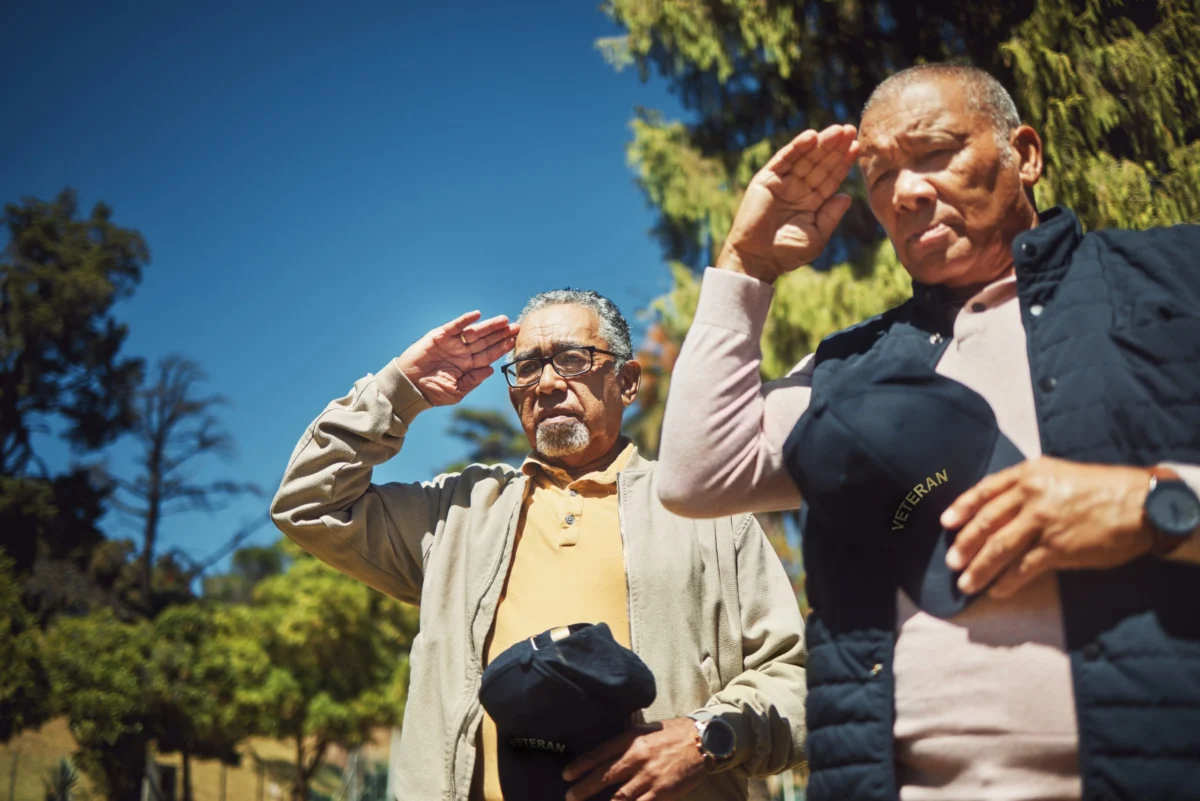
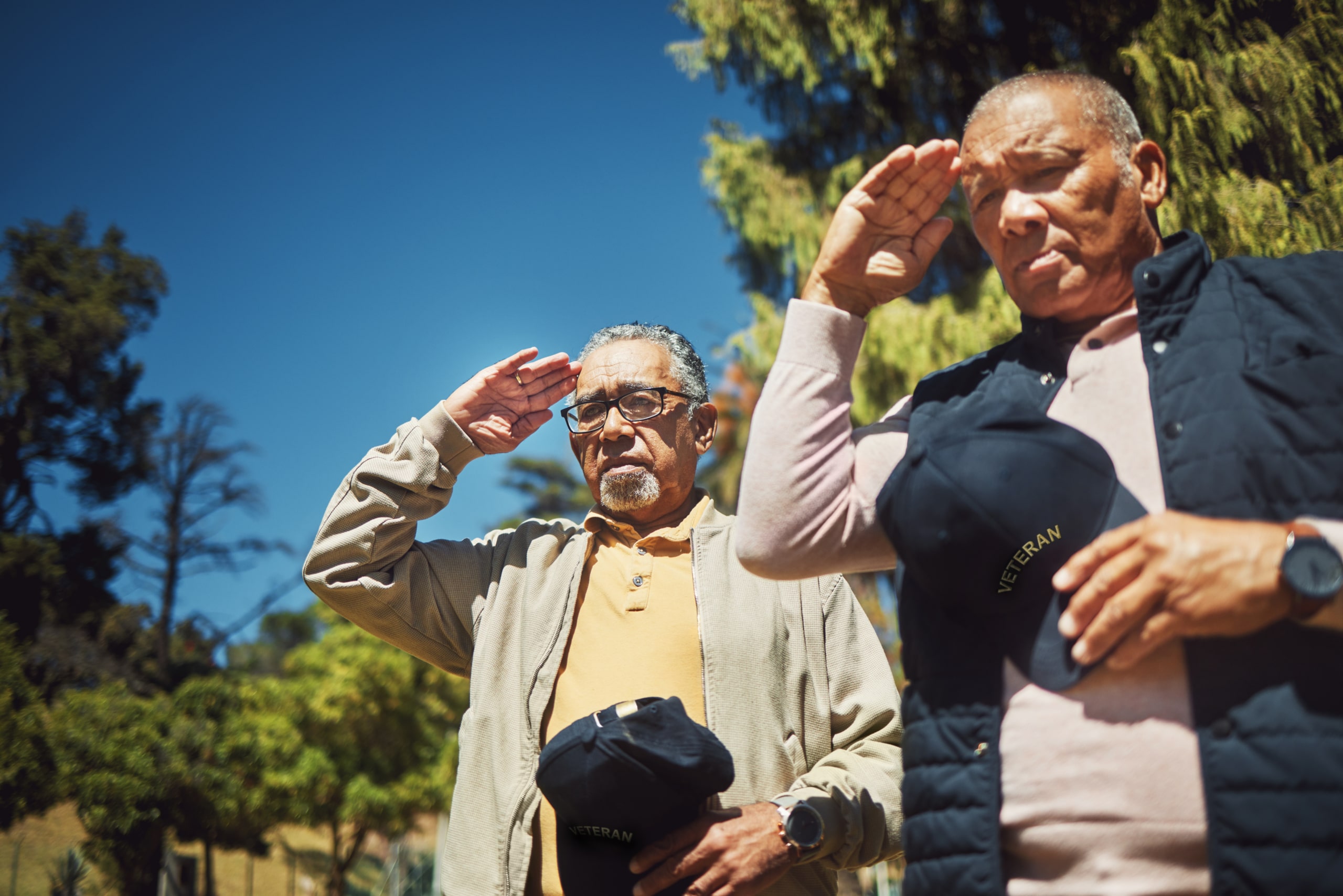
Every November 11, the United States pauses to honor the profound sacrifice and unwavering dedication of those who have worn the nation’s uniform. While parades, ceremonies, and flags serve as the public face of Veterans Day, a quiet, pressing reality persists behind the scenes: our veteran population is aging, and with that aging comes a unique set of physiological and psychological challenges that demand a modernized approach to healthcare.
With nearly 16 million veterans currently residing in the United States, the military-to-civilian transition is no longer just a career milestone; for more than half of these individuals—over 8 million—it is a decades-long journey into their senior years. As we celebrate their service, the Alliance for Aging Research and other advocates are shifting the conversation toward ensuring these individuals receive the specialized, equitable care they have earned.
The Reality of the Aging Veteran Population: Key Facts
The demographics of the U.S. veteran population are shifting. We are currently witnessing a massive cohort of veterans from the Vietnam era and the post-Cold War era entering their late 60s, 70s, and 80s.
Defining the Demographic
- The 50% Threshold: Nearly half of all living U.S. veterans are age 65 or older. This demographic represents a significant portion of the total American geriatric population.
- Service-Connected Complexities: Unlike the general civilian population, many veterans carry the physiological "scars" of service. These include exposure to toxic substances, high-impact physical labor, and the lingering effects of psychological trauma.
- The Transition Gap: Moving from a highly structured, mission-oriented military environment to the relative autonomy of civilian retirement can lead to a loss of identity, which often exacerbates mental health struggles such as depression and anxiety in later life.
Chronology of Service and the Aging Trajectory
Understanding the health needs of the modern veteran requires viewing their life through a chronological lens. The path to healthy aging for a veteran is often dictated by the era in which they served.
The Mid-Century Veteran (World War II and Korean War)
These veterans, now in their late 80s and 90s, represent the "Greatest Generation." Their healthcare needs are primarily centered on frailty, chronic disease management, and end-of-life care.
The Vietnam-Era Veteran
Currently the largest segment of the aging veteran population, this group faces specific health challenges related to environmental exposures, including Agent Orange, and the long-term impacts of combat-related PTSD that may not have been adequately treated decades ago.
The Post-9/11 Generation
While this group is younger, they are beginning to approach mid-life. The early identification of health issues in this cohort—ranging from traumatic brain injuries (TBI) to chronic pain—is essential to preventing more severe health outcomes as they transition into their senior years.
Supporting Data: The Intersection of Service and Health
Data from the Department of Veterans Affairs (VA) and public health organizations indicate that veterans are statistically more likely to suffer from certain conditions than their civilian counterparts.
Mental Health and Cognitive Decline
Cognitive health remains a critical focus. Research has shown that veterans with a history of TBI are at a significantly higher risk for developing dementia and Alzheimer’s disease. Furthermore, the stigma surrounding mental health—often deeply ingrained during military training—can prevent older veterans from seeking treatment for depression, which is a leading risk factor for suicide among those over 65.
Physical Deterioration and Sarcopenia
The military emphasizes physical conditioning, but this focus often wanes during the transition to civilian life. Sarcopenia, or the age-related loss of muscle mass, is a silent epidemic among older veterans. Left unmanaged, this condition leads to increased fall risks, loss of mobility, and a decreased quality of life. Maintaining "functional strength" is not just about aesthetics; it is a clinical necessity for healthy aging.
Official Responses and Available Resources
The Alliance for Aging Research, alongside the Department of Veterans Affairs, has moved to consolidate resources to bridge the gap between military service and long-term wellness.
The VA’s Geriatric and Extended Care Services
The VA provides a robust suite of services designed specifically for the aging veteran. These include:
- Rehabilitation Programs: Targeted physical therapy to combat the loss of mobility.
- Brain Health Initiatives: Specialized screenings for cognitive impairment and Alzheimer’s.
- Hospice and Palliative Care: Ensuring that veterans receive dignity and specialized care in their final chapters.
Alliance for Aging Research: Advocacy and Education
The Alliance continues to be a leader in public education. By producing high-impact educational films that decode the symptoms of Alzheimer’s and publishing guides on navigating mental health crises, the organization works to dismantle the barriers of stigma.
Medicare and Preventive Care
For many, the transition to Medicare is the primary mechanism for health coverage. However, navigating this system is often daunting. The guide, Wellness Wisdom: A Guide to Preventive and Screening Services Covered by Medicare, is an essential tool for veterans. It provides clarity on:
- Annual Wellness Visits: What they are and why they are vital for early detection.
- Screening Coverage: Details on when and how to access vision, hearing, and cognitive screenings.
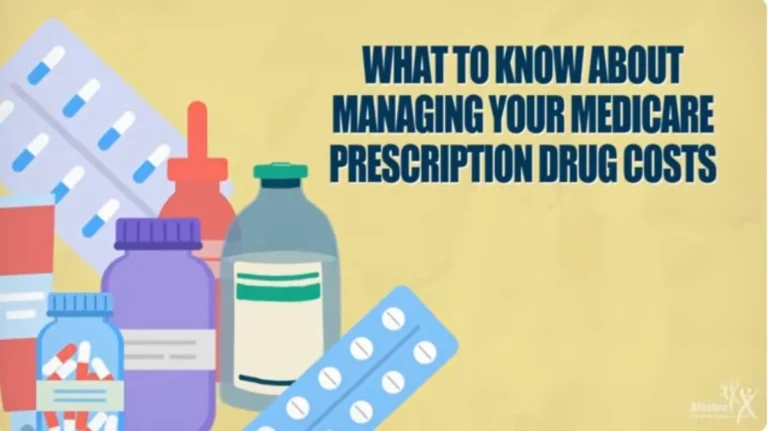
- Cost Management: How to utilize Medicare benefits to minimize out-of-pocket expenses for preventive care.
Implications for the Future: A Call to Action
The implications of our current approach to veteran healthcare extend far beyond the individual. They affect the family units that support them, the healthcare infrastructure of the nation, and the moral obligation of a society to those who protected it.
Shifting the Narrative
We must stop viewing "aging" as a period of decline and start viewing it as a new mission. For the veteran, this means applying the same discipline and focus to their health that they once applied to their duty. For the family, it means recognizing the subtle signs of physical and mental decline and encouraging professional intervention.
Integrating Mental and Physical Healthcare
The future of veteran care must be holistic. We cannot treat a veteran’s heart disease while ignoring their depression, or treat their physical mobility while overlooking their cognitive health. The most successful models of care are those that integrate mental health screenings into every routine physical exam.
Bridging the Knowledge Gap
Information is the most powerful tool for an aging veteran. As noted by the Alliance, identifying potential health concerns early is the primary determinant of long-term health outcomes. By proactively using resources provided by the VA and organizations like the Alliance, veterans can take control of their health trajectory.
Honoring Through Action
This Veterans Day, the most meaningful way to salute our veterans is to ensure they are equipped with the knowledge and resources to thrive in their golden years. We celebrate their courage, their resilience, and their sacrifice, but we must also celebrate their right to a healthy, supported, and dignified life.
To the veteran, we say: your service has shaped the world we live in. Now, it is time to prioritize the health and wellness of the person who made that world possible. Explore the resources provided by the VA, engage with your primary care provider about preventive screenings, and remember that seeking help is not a sign of weakness—it is a strategy for continued strength.
As we look toward the future, the Alliance for Aging Research remains steadfast in its commitment to advancing equitable access to care. By working together—advocates, family members, and the veterans themselves—we can ensure that the "thank you" we offer on November 11 is echoed in the quality of life we provide every single day of the year.
Matthew Thompson is the Digital Communications Manager for the Alliance for Aging Research. For more information on resources for aging veterans, please visit the Alliance’s official resource hub or contact your local VA representative.