










The moment of receiving a formal diagnosis for Ehlers-Danlos Syndrome (EDS) is often a watershed event. For some, it is the long-awaited conclusion to a grueling, years-long journey of medical gaslighting and misdiagnosis. For others, it arrives as a sudden, overwhelming shock. However, as many patients quickly discover, the diagnosis is not a finish line; rather, it marks the beginning of a complex, individualized journey of management, trial-and-error, and lifestyle adaptation.
In a recent community survey conducted by clinical research coordinator and disability advocate Tayler Goectau, over 100 individuals living with EDS shared their personal insights on the interventions that have most effectively improved their quality of life. The resulting data provides a roadmap for those currently navigating the daunting early stages of post-diagnosis life.
The Chronology of Adaptation: From Diagnosis to Management
For the newly diagnosed, the trajectory of care often follows a predictable yet challenging path. The immediate period following a diagnosis is typically characterized by a steep learning curve. Patients must shift from being passive recipients of medical confusion to becoming active managers of a systemic, multisystemic condition.
- The Diagnostic Phase: This is often the period of maximum isolation. Patients frequently report feeling "crazy" or unsupported by a medical system that does not understand hypermobility.
- The Education Phase: Once a name is attached to the symptoms, patients enter a phase of aggressive self-education. They begin to identify comorbidities—such as Postural Orthostatic Tachycardia Syndrome (POTS) or Mast Cell Activation Syndrome (MCAS)—that often accompany EDS.
- The Intervention Phase: This is where the "trial and error" begins. Patients start testing physical therapies, bracing, and medications to stabilize their joints and manage pain.
- The Acceptance and Integration Phase: As identified in the survey results, this is the final stage where the patient stops viewing mobility aids as symbols of "failure" and begins to view them as tools for autonomy.
Data-Driven Insights: What Actually Helps?
The survey data, ranked by frequency of mention, reveals that the most impactful interventions are not necessarily high-tech medical breakthroughs, but rather a combination of community support and highly specialized, patient-centered care.
The Hierarchy of Support
The top-tier responses—community support, specialized healthcare providers, and EDS-knowledgeable physical therapy—underscore a fundamental truth about chronic illness: success in management is inherently collaborative.
- Community Support: The "zebra" community (the mascot for EDS) provides a level of anecdotal expertise that is rarely found in traditional clinical settings. From sharing tips on how to request a wheelchair at an airport to identifying doctors who actually listen, the peer-to-peer network acts as a primary source of institutional knowledge.
- The "Unicorn" Provider: Finding a physician who is not only knowledgeable about EDS but also possesses a willingness to learn is described by many as the single greatest barrier to care. These providers are the gatekeepers to better outcomes, particularly when they acknowledge the interconnectedness of systemic issues like dysautonomia.
- Physical Therapy (PT): Traditional, aggressive strength training can often be counterproductive—or even harmful—for hypermobile joints. Respondents consistently highlighted the need for "hypermobility-aware" PT, which prioritizes proprioceptive training, isometric stability, and neuro-based approaches.
Detailed Analysis: Categorical Breakdown of Patient Success
1. Mobility and Stability: The Role of Adaptive Equipment
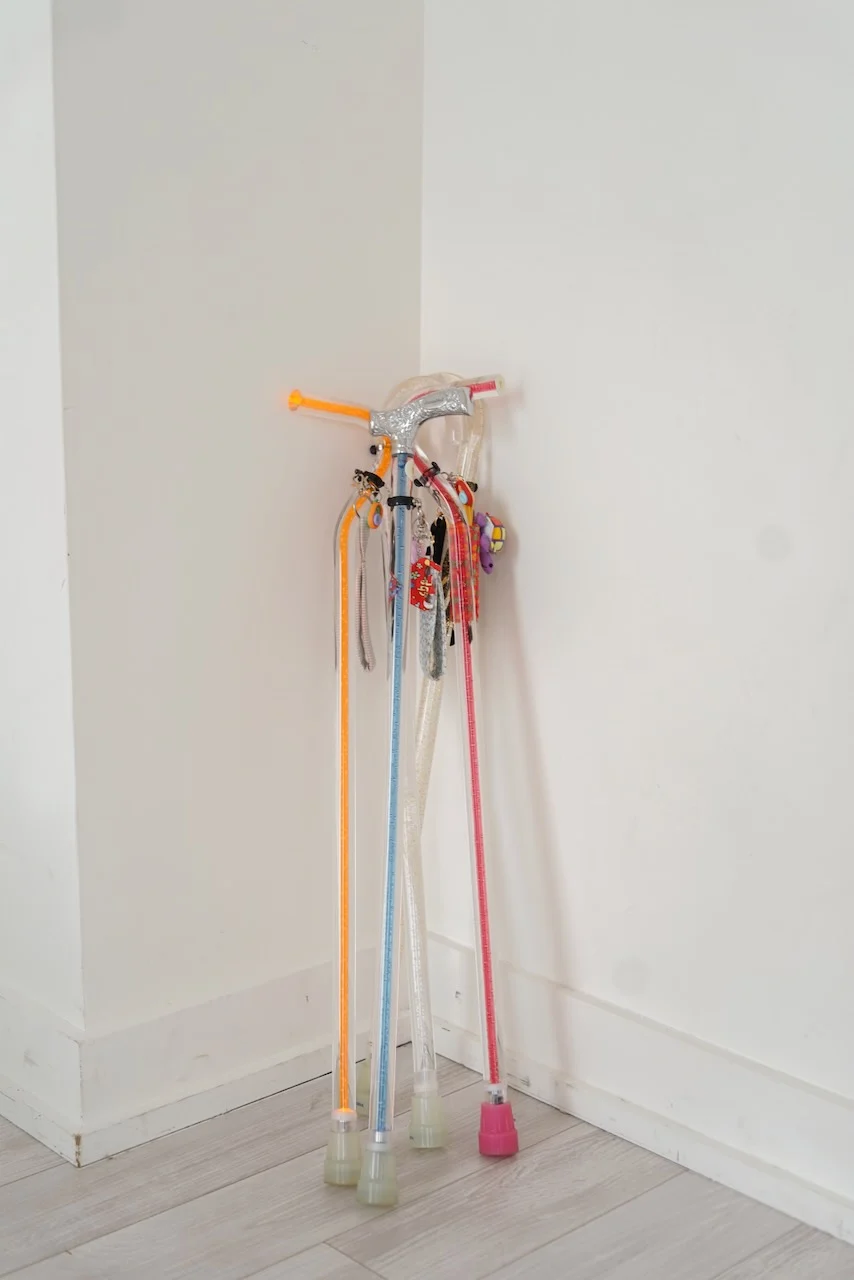
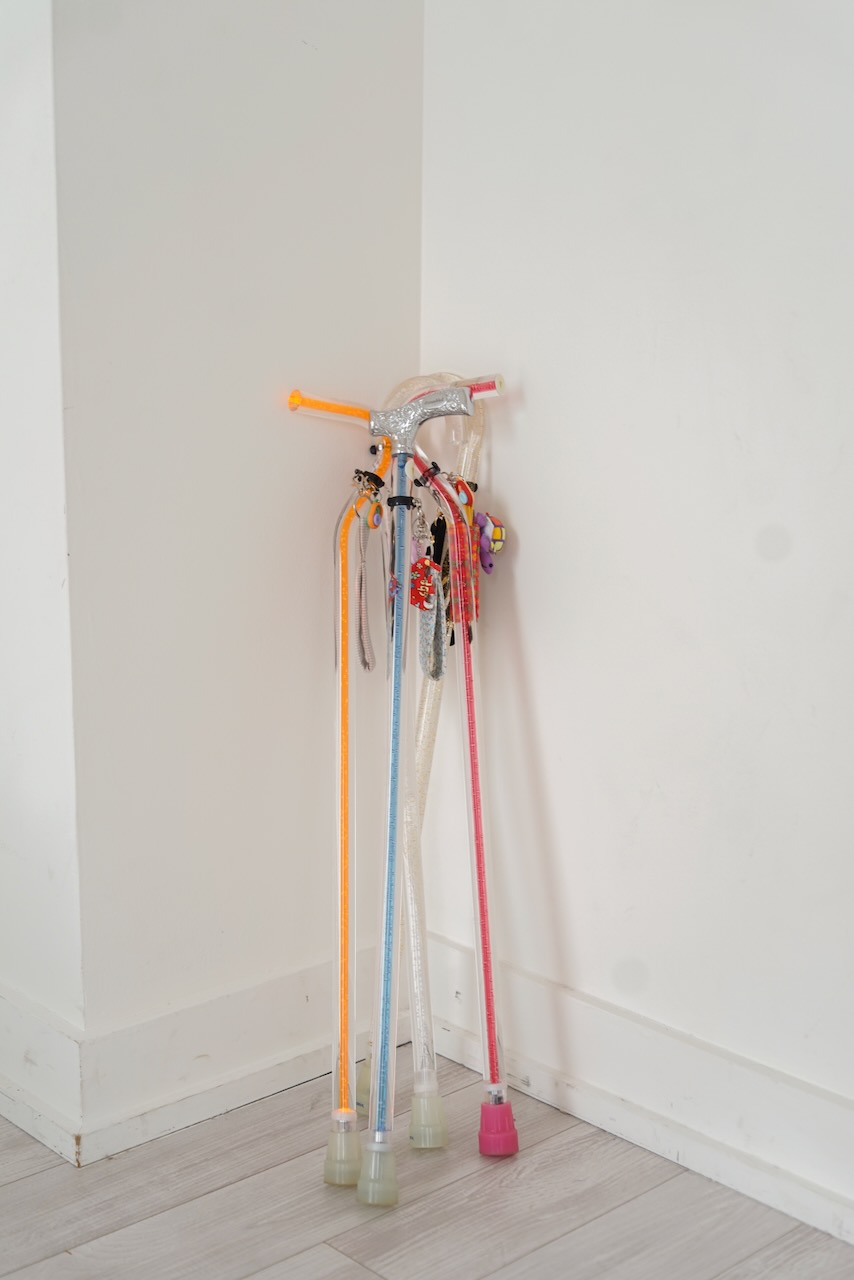
One of the most profound shifts in the patient experience is the transition from resisting mobility aids to embracing them. Whether it is custom-fitted knee braces, abdominal wraps for core stability, or power-assist wheelchairs, these tools are ultimately about reclaiming personal autonomy. By reducing the physical toll of daily activities, patients find they have more "energy currency" to spend on social, professional, and personal pursuits. The data suggests that once the shame associated with mobility aids is dismantled, the patient’s quality of life improves significantly.
2. The Pharmacological Landscape
While medications ranked lower than physical and social interventions, they remain a critical component for many. Low-dose naltrexone (LDN) emerged as a frontrunner in the survey. Though not a cure-all, many patients report that it helps modulate the chronic pain cycles associated with EDS. Furthermore, the management of comorbid conditions—specifically addressing MCAS triggers—was cited as a key strategy for reducing the systemic inflammation that exacerbates EDS flares.
3. Psychological Validation and Education
The importance of "learning the body’s signals" cannot be overstated. Patients who reported the highest levels of success were those who had mastered the art of "pacing"—the practice of managing energy expenditure to prevent burnout and injury. Furthermore, the psychological weight of receiving a diagnosis cannot be ignored. For many, the diagnosis itself is a form of treatment, providing the validation necessary to move from a state of questioning their own sanity to a state of proactive, informed self-advocacy.
Implications for the Medical Community and Patients
The findings from this survey have significant implications for how we approach chronic care. First, the medical community must recognize that "standard" treatment protocols—such as generic physical therapy—are often insufficient and occasionally dangerous for the EDS population. There is a pressing need for specialized, multidisciplinary care centers that understand the nuance of hypermobility.
For patients, the implication is one of patience and self-compassion. The "trial and error" process is not a sign that you are failing; it is the standard operating procedure for a condition that affects every individual differently.
Key Takeaways for the Newly Diagnosed
- Seek Community: Your peers are your best resource for navigating local healthcare landscapes.
- Vet Your Providers: If a doctor is not willing to learn about your specific needs, they may not be the right partner for your long-term care.
- Reframe Mobility Aids: These are not failures; they are tools that grant you the freedom to engage with the world on your own terms.
- Pacing is Paramount: Learning to listen to your body’s limits is the most effective form of preventative maintenance.
- Look Beyond the Joints: Always investigate comorbidities like POTS and MCAS; often, the "EDS flare" is actually a symptom of an uncontrolled co-occurring condition.
Conclusion: A Path Forward
The journey through Ehlers-Danlos Syndrome is undeniably difficult, but it is not one that must be walked alone. By leveraging the collective wisdom of the community, advocating for specialized care, and embracing the tools that allow for a fuller life, patients can navigate the complexities of this diagnosis.
As the landscape of EDS research continues to evolve, the most important development remains the empowerment of the patient. Whether through a weighted heating pad, a pair of custom compression garments, or the support of a fellow "zebra" in a local group, the path to management is paved with small, intentional choices. For those just beginning this journey, take heart: you are entering a community that is as resilient as it is informed. Your diagnosis is the first step toward building a life that accommodates your body, rather than one that struggles against it.
Disclaimer: The information presented in this article is based on the anecdotal experiences of individuals living with Ehlers-Danlos syndrome and does not constitute formal medical advice. Every case of EDS is unique, and what serves as an effective management strategy for one person may not be suitable for another. Always consult with a qualified healthcare professional, ideally one with experience in connective tissue disorders, before making significant changes to your treatment or management plan.