








For millions of people worldwide, the transition from dusk to dawn is not a period of restorative rest, but a nightly struggle characterized by tossing, turning, and the persistent frustration of sleeplessness. Chronic insomnia—a condition defined by difficulty falling or staying asleep that persists for at least three months and impacts daytime functioning—affects a significant portion of the global population.
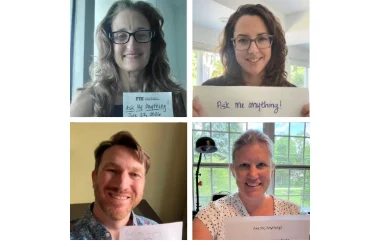
To shed light on this pervasive issue, the American Academy of Sleep Medicine (AASM) and the Society of Behavioral Sleep Medicine (SBSM) recently hosted their annual "Insomnia Awareness Night." This year, the initiative moved into the digital public square, hosting a live “Ask Me Anything” (AMA) session on Reddit. The event featured a panel of leading sleep experts—Spencer Dawson, PhD; Sarah Honaker, PhD; Monica Kelly, PhD; and Jennifer Martin, PhD—who addressed the nuances of sleep health, debunked common myths, and provided evidence-based guidance for those seeking a path to better sleep.
The Chronology of a Sleep Crisis
Insomnia is more than just a bad night’s sleep; it is a clinical condition that erodes physical health, cognitive performance, and emotional well-being. The AASM and SBSM organize Insomnia Awareness Night annually to bridge the gap between academic sleep research and the everyday concerns of the public.
This year’s Reddit AMA served as a timely intervention. As digital health tools and over-the-counter sleep aids have exploded in popularity, so has the confusion surrounding their efficacy. By gathering four PhD-level experts in one forum, the organizers aimed to provide a definitive, science-backed counter-narrative to the sea of anecdotes found on social media. The session spanned several hours, covering topics ranging from "weekend catch-up sleep" to the validity of high-tech sleep trackers.
Supporting Data and The Reality of Modern Sleep
The modern bedroom is becoming increasingly complex. From smartwatches that track REM cycles to apps that play "binaural beats" to induce relaxation, the average consumer is overwhelmed with data points about their own unconscious state.
According to the panel, while these tools can offer insight, they often come with a hidden cost: anxiety. Dr. Sarah Honaker noted that while a device like an Apple Watch can motivate a user to adopt healthier sleep hygiene—such as maintaining a consistent bedtime—it is not a medical-grade diagnostic tool. "The most important indicator of sleep quality is not a graph on your wrist, but how you feel the next day," Dr. Honaker emphasized.
Furthermore, the panel addressed the persistent myth of "catching up" on sleep. While many believe that sleeping until noon on a Saturday offsets a week of sleep deprivation, the science suggests a more nuanced reality. Dr. Jennifer Martin acknowledged that while weekend recovery sleep is better than no recovery at all, it cannot fully mitigate the physiological toll of chronic sleep restriction. "Getting seven or more hours of sleep on a regular basis is the only true foundation for long-term health," she stated.
Official Expert Responses: Addressing the Burning Questions
The AMA provided a platform for users to pose direct, often vulnerable questions about their personal struggles. The experts provided clarity on several critical areas:
On Supplements and Placebos
One of the most frequently asked questions concerned the efficacy of supplements like melatonin and microdosing THC. Dr. Martin offered a sobering perspective: the market for sleep aids is expanding far faster than the clinical research supporting them.
"It is nearly impossible for the average consumer to distinguish between a genuine therapeutic effect and the placebo effect," Dr. Martin explained. She pointed out that supplements often work because they provide the user with a psychological sense of control, which in turn reduces the "effort" of trying to fall asleep. Regarding melatonin, she clarified that it is essentially a "circadian regulator" rather than a sedative; it is highly effective for jet lag or shift work, but often insufficient for treating chronic, arousal-based insomnia.
The Role of Distraction and Binaural Beats
For many, the silence of the bedroom is the enemy. Dr. Spencer Dawson addressed the trend of using binaural beats—audio tracks designed to influence brainwave patterns—to induce sleep. While he noted a lack of high-quality, peer-reviewed evidence proving that these sounds physically "sync" the brain for sleep, he acknowledged their utility as a coping mechanism. "If they serve as a pleasant distraction that helps you move away from the stress of being awake, they are useful in the same way a podcast or an audiobook is," he noted.
Managing Early Morning Awakenings
A common complaint among the aging population is the "early bird" phenomenon—waking at 4:00 or 4:30 a.m. and being unable to return to sleep. Dr. Dawson emphasized that this is not always a disorder. It can be a result of a "circadian phase advance," where the body’s internal clock shifts earlier as a person ages. His advice was counter-intuitive: stop fighting the wakefulness. If the body has reached its sleep quota, attempting to force rest often leads to more frustration. However, he urged those suffering from these awakenings to avoid starting their day too early, as this can inadvertently "train" the brain to expect wakefulness at that hour.
Implications for Long-Term Treatment: CBT-I
Perhaps the most significant takeaway from the AMA was the experts’ unified stance on the gold-standard treatment for chronic insomnia: Cognitive Behavioral Therapy for Insomnia (CBT-I).
While many users looked for a "quick fix"—a pill, a supplement, or an app—the experts steered the conversation back to the gold standard. CBT-I focuses on the cognitive and behavioral patterns that sustain insomnia. It is not about "relaxing" more; it is about restructuring the relationship between the bed and the act of sleeping.
For those experiencing frequent "hyperarousals" (waking every few minutes), Dr. Martin stressed the importance of clinical evaluation. Such frequent disturbances are often red flags for underlying conditions like obstructive sleep apnea or other sleep-disordered breathing issues that require professional intervention rather than behavioral self-help.
Moving Toward a Better Night’s Rest
The dialogue fostered during Insomnia Awareness Night underscores a vital shift in how we approach our health. We are moving away from the era of "hustle culture," where sleep deprivation was seen as a badge of honor, toward an era where sleep is recognized as a fundamental pillar of health, equal in importance to nutrition and exercise.
The insights provided by the AASM and SBSM experts highlight three major takeaways for the public:
- Be Skeptical of "Miracle" Aids: The sleep supplement industry is largely unregulated. Relying on pills—even natural ones—without a doctor’s oversight can mask deeper issues.
- Prioritize Subjective Well-being: Data from wearable trackers should be secondary to how you function, think, and feel during the daylight hours. If your tracker tells you you’re sleeping well but you feel exhausted, trust your body, not the device.
- Seek Professional Help for Chronic Issues: If you have been struggling for more than three months, it is time to consult a sleep medicine specialist. The effectiveness of CBT-I proves that insomnia is a treatable condition, not a permanent lifestyle reality.
As the AMA concluded, the experts left the community with a sense of empowerment. By demystifying the causes of sleep disturbances and directing users toward evidence-based solutions, Insomnia Awareness Night continues to be a vital resource for a weary world. For those still struggling, the message is clear: You do not have to accept poor sleep as your default state. The path to restoration begins with understanding the science of sleep and seeking the right support.
For those interested in exploring these topics further, the full transcript of the Reddit AMA remains available for review, serving as a comprehensive archive of expert advice on one of the most common, yet overlooked, health challenges of our time.