









In the landscape of modern nutrition, few topics have ignited as much controversy—or as much confusion—as vegetable and seed oils. From viral TikTok trends labeling them "toxic sludge" to the rise of the carnivore diet, these cooking fats have been thrust into the center of a heated cultural and scientific debate. But behind the inflammatory memes and aggressive hashtags lies a complex, decades-long investigation into how the fats we cook with influence our long-term health.
The Rise of the Anti-Seed Oil Movement
The current vitriol directed toward "the hateful eight" (commonly identified as canola, corn, cottonseed, soybean, sunflower, safflower, grapeseed, and rice bran oils) is not entirely new. Skepticism toward industrial seed oils has existed since they first entered the mass-market food supply in the early 20th century. However, the discourse has sharpened recently, driven by social media influencers who argue that these oils are the primary, hidden drivers of the global chronic disease epidemic.
The core argument of the anti-seed oil movement is rooted in evolutionary biology. Proponents argue that because humans have consumed animal fats like tallow, lard, and butter for millennia, these fats are biologically compatible. Conversely, they view vegetable oils as "invented" commodities, born from profit-driven industrial processes that prioritize shelf stability and cheap production over human health. This narrative posits that these oils contribute to a litany of modern ailments, ranging from obesity and anxiety to depression and inflammatory bowel diseases like ulcerative colitis.
A Chronology of Cooking Fats
To understand the friction, one must look at how our dietary habits have shifted.
- The Pre-Industrial Era: Humans relied primarily on animal fats and traditional fruit-based fats like olive or coconut oil.
- The Mid-20th Century: The industrial revolution in food manufacturing introduced high-speed processing. Seed oils were marketed as "heart-healthy" alternatives to saturated animal fats, a move championed by health organizations seeking to combat rising cardiovascular disease rates.
- The Margarine Era: The push to replace butter with hydrogenated vegetable oils led to the widespread consumption of trans fats—a move that is now widely recognized as a public health failure.
- The Modern Era: Today, we are in a phase of re-evaluation. With the banning of artificial trans fats in 2018, the conversation has shifted toward the processing of oils and the specific ratios of omega-6 to omega-3 fatty acids.
The Chemistry of Processing: Why It Matters
The fundamental divide between "good" and "bad" fats often comes down to extraction. Oils like extra virgin olive oil (EVOO) or avocado oil are derived from fruits with naturally high lipid contents. They can be extracted mechanically—using a simple press—without the need for high heat or chemical solvents.
In contrast, seeds like corn, soy, and canola have relatively low fat content. Extracting oil from a cup of corn (which contains roughly 2 grams of fat) compared to a cup of olives (20 grams) requires an extensive, multi-stage industrial process. This typically involves:

- Cleaning and dehulling: Preparing the seeds.
- Heating and pressing: Using mechanical expellers.
- Solvent extraction: Using chemicals like hexane to pull the remaining oil from the meal.
- Refining, bleaching, and deodorizing (RBD): Processes that strip away flavor, color, and impurities.
Critics argue that this intensity of processing strips away vital phytonutrients and can lead to the formation of trans fatty acids and oxidation products, which may be inherently inflammatory.
Head-to-Head: The Evidence-Based Comparison
Extra Virgin Olive Oil vs. Expeller-Pressed Canola
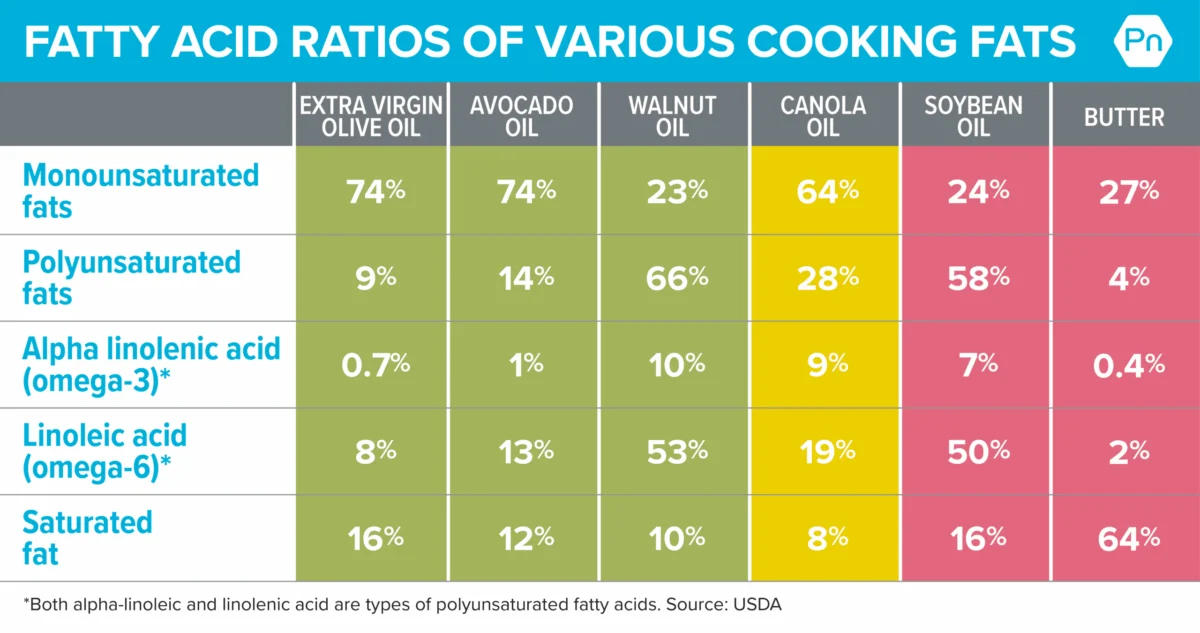
When comparing these two, the science heavily favors EVOO. Olive oil is rich in monounsaturated fatty acids (MUFAs) and contains potent polyphenols—plant-based antioxidants that combat inflammation. Large-scale studies, such as the research involving over 22,000 adults in Southern Italy, have consistently linked high EVOO consumption to lower mortality rates and reduced risks of heart disease and stroke.
Expeller-pressed canola oil, meanwhile, is a budget-friendly, neutral-flavored alternative. While it contains alpha-linolenic acid (a plant-based omega-3), it lacks the complex antioxidant profile of EVOO. It is a "health-neutral" option, useful for baking or high-heat cooking on a budget, but it cannot be classified as a "health-promoting" food in the same tier as EVOO.
Refined Vegetable Oils vs. Butter
This is the most debated match-up. Butter is a source of saturated fat, which has been vilified for decades. While excessive saturated fat consumption (generally defined as over 10% of total daily calories) is linked to elevated LDL cholesterol, butter remains a whole food.
Refined vegetable oils, on the other hand, are highly processed. While they are lower in saturated fat, their high polyunsaturated fat content makes them more susceptible to oxidation. Moreover, the problem is rarely the oil used in a home-cooked meal, but rather the oils found in ultra-processed foods (UPFs). UPFs are not just vehicles for seed oils; they are also typically devoid of fiber, vitamins, and minerals, and are engineered to be hyper-palatable, contributing significantly to obesity and metabolic dysfunction.
The Omega-6/Omega-3 Controversy
A major pillar of the "anti-seed oil" argument is the ratio of omega-6 to omega-3 fatty acids. The typical Western diet is heavily skewed toward omega-6s, which some argue triggers chronic inflammation.

However, leading institutions like the American Heart Association and Harvard Health suggest the picture is more nuanced. While refined oils contribute to an unbalanced ratio, omega-6s found in whole foods like nuts and seeds are definitively linked to better heart health outcomes. The "toxicity" may not be in the fatty acid itself, but in the absence of the "food matrix"—the fiber, minerals, and antioxidants that usually accompany these fats in nature.
Official Responses and Consensus
The consensus among nutritional scientists is shifting away from vilifying individual ingredients and toward a focus on overall diet quality.
- The FDA: Has successfully acted to remove artificial trans fats from the food supply, acknowledging the dangers of partially hydrogenated oils.
- The Scientific Community: Increasingly emphasizes that replacing saturated fats with polyunsaturated fats (from quality sources) remains a viable strategy for reducing cardiovascular risk, provided the source is not a heavily processed, ultra-refined food product.
Implications for Your Kitchen
For the average consumer, the path forward is not to live in fear of the cooking oil aisle, but to be strategic about choices.
- Prioritize Quality: Use Extra Virgin Olive Oil or avocado oil for the majority of your cooking and dressing needs. These are the gold standards for health-promoting fats.
- Context Matters: If you are cooking at home, the occasional use of expeller-pressed canola or high-oleic sunflower oil is not a health crisis. The danger lies in the systemic consumption of ultra-processed, packaged foods that rely on cheap, highly refined oils.
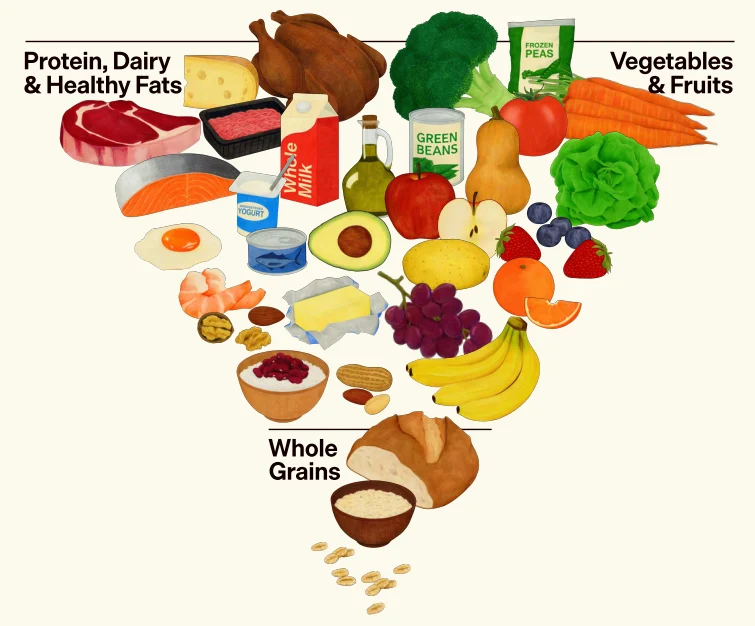
- Whole Foods First: Shift your focus from "what oil to use" to "what food to eat." Get your fats from olives, avocados, walnuts, chia seeds, and fatty fish. These sources come "pre-packaged" with the nutrients that prevent oxidation and inflammation.
- Limit Deep-Frying: Regardless of the type of oil used, repeated high-heat exposure degrades the nutritional quality of any fat. Deep-fried foods should remain an occasional indulgence, not a staple.
Ultimately, nutrition is too nuanced for a meme. While the industrial processing of seed oils warrants caution, the most significant impact on your health will come from reducing ultra-processed foods and increasing your intake of whole, minimally processed ingredients. By choosing high-quality fats and focusing on a diet rich in colorful, plant-based nutrients, you can build a sustainable, health-promoting relationship with the food you eat.