









By Industry News Desk
As the global pharmaceutical sector navigates a complex macroeconomic landscape characterized by expiring patents, evolving regulatory scrutiny, and the relentless demand for innovation, two industry titans have made aggressive moves to secure their futures. From the streets of Paris to the corporate headquarters in Basel, the message is clear: the race for clinical dominance is accelerating.
Reporting from London this week, the industry pulse remains steady despite the holiday lull in the United States. While investors may be taking a brief pause, the boardroom strategies of Sanofi and Roche suggest that the competitive intensity of the biopharma sector is only just beginning to heat up.
Main Facts: A Paradigm Shift in M&A and Oncology
The pharmaceutical landscape was shaken this week by two distinct but equally significant developments.
First, the French pharmaceutical giant Sanofi has entered into a definitive agreement to acquire the New Jersey-based biotech firm Insmed in a transaction valued at $41 billion. This represents one of the largest biopharma acquisitions in recent history. The acquisition is a strategic maneuver designed to diversify Sanofi’s pipeline and mitigate the looming revenue cliff associated with its flagship inflammatory drug, Dupixent. By integrating Insmed’s specialized portfolio—which includes two already-approved therapies for complex lung diseases and a third asset currently in Phase 3 clinical trials—Sanofi is signaling a pivot toward high-value rare disease and inflammatory markets.
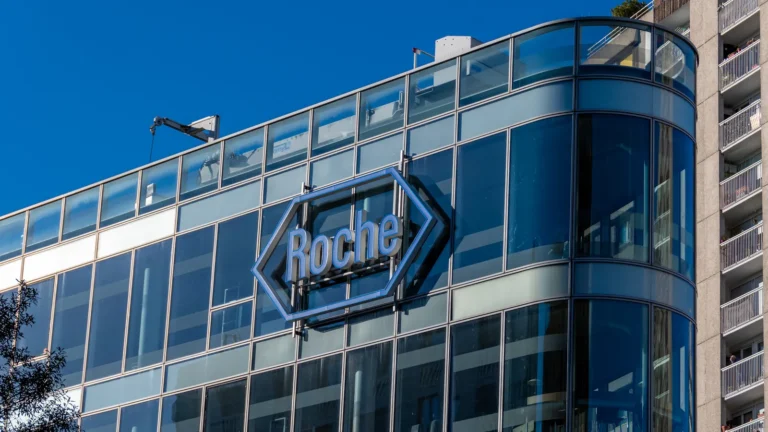
Simultaneously, Roche is capturing market attention with the rollout of Wilserdly, a novel breast cancer pill that recently secured dual regulatory approvals in the United States. Following a rapid-fire approval process, the Swiss drugmaker is positioning Wilserdly as a potential “blockbuster,” aiming to disrupt the standard of care for long-term hormone therapy. With projected peak annual sales of $9 billion, Roche is betting heavily that its innovation can effectively replace decades-old treatment regimens, thereby cementing its stronghold in the oncology sector.
Chronology of Events: From Boardroom Negotiations to Regulatory Greenlights
The Sanofi-Insmed Trajectory
- Early 2026: Sanofi publicly identifies the need for late-stage assets to bolster its R&D pipeline, acknowledging the competitive threat posed by future biosimilar entries for its blockbuster, Dupixent.
- Q2–Q3 2026: Informal discussions between Sanofi and Insmed leadership begin, focused on potential synergies in immunology and respiratory health.
- November 2026: Following weeks of due diligence, both boards approve the $41 billion merger, marking a monumental consolidation in the biotech space.
The Roche Oncology Timeline
- October 2026: Roche submits its final clinical data sets for Wilserdly to U.S. regulatory authorities, highlighting its superiority over traditional endocrine therapies.
- November 2026 (Early): Regulatory bodies grant the first of two approvals, signaling a fast-track status for the drug due to its high unmet medical need.
- November 2026 (Late): Roche secures the second regulatory approval, allowing for a broader label and immediate commercial deployment.
- Post-Approval: Roche initiates an aggressive marketing campaign, touting the drug’s potential to redefine long-term cancer management.
Supporting Data: Why These Assets Matter
The valuation of these deals is not merely speculative; it is grounded in rigorous clinical data and market forecasting.
Sanofi’s Strategic Calculus
Sanofi’s reliance on Dupixent has been a point of investor concern for several fiscal quarters. Dupixent, a monoclonal antibody for eczema, asthma, and other inflammatory conditions, currently generates a significant percentage of the company’s total revenue. However, with patent expiration on the horizon, Sanofi faced an "innovation gap."
Insmed’s portfolio offers a perfect hedge. By acquiring two approved lung disease treatments, Sanofi gains immediate revenue streams that are resistant to the standard competitive pressures of primary care drugs. Furthermore, the Phase 3 asset in Insmed’s pipeline provides a “near-term catalyst,” offering the potential for a new drug launch within the next 18 to 24 months, which will be vital for maintaining Sanofi’s growth trajectory.
Roche’s $9 Billion Bet
Roche’s projection of $9 billion in peak annual sales for Wilserdly is ambitious but supported by the current oncology market’s trajectory. Hormone therapies for breast cancer have remained largely stagnant for decades, often resulting in poor patient compliance due to side effects and suboptimal efficacy.
Roche’s data suggests that Wilserdly offers a superior safety profile with equivalent or better outcomes in preventing cancer recurrence. With millions of women worldwide currently on long-term hormone therapy, the “total addressable market” is vast. If Roche can capture even 20% of the market currently held by legacy drugs, their $9 billion estimate becomes a highly credible forecast.

Official Responses and Corporate Sentiment
Sanofi’s Perspective
"This acquisition is about the future of Sanofi," stated a company spokesperson. "We have been transparent about our desire to acquire late-stage clinical assets that complement our existing expertise in rare diseases and inflammation. Insmed provides us with the precision medicine tools to lead the next generation of respiratory care."
The Roche Strategy
Roche’s leadership has been equally bullish. "Winning two regulatory approvals in a single week is a testament to the clinical significance of Wilserdly," a company executive noted. "We aren’t just launching a pill; we are launching a new standard of care. Our goal is to make the management of breast cancer more effective, manageable, and accessible for patients globally."
Implications: The Industry at a Crossroads
The pharmaceutical industry is entering a new era where "Big Pharma" must effectively act as a venture capital engine, buying innovation rather than exclusively building it in-house.
The M&A Renaissance
The Sanofi-Insmed deal is likely to trigger a wave of further M&A activity. As other companies face their own "patent cliffs," we expect to see increased interest in mid-cap biotech firms with strong, late-stage pipelines. This creates a highly favorable environment for biotech shareholders but raises questions about the long-term impact on drug pricing and competition.
Oncology Dominance
Roche’s move into the breast cancer space highlights the continued dominance of oncology in pharma’s R&D spend. While inflammatory diseases and rare disorders are seeing increased attention, cancer remains the most lucrative and fiercely contested therapeutic area. The success of Wilserdly will likely force competitors to revisit their own pipelines, potentially sparking a new wave of clinical trials aimed at "me-too" or "better-than-the-best" therapies.
The Patient Perspective
For patients, these developments offer a double-edged sword. On one hand, the consolidation of resources into companies like Sanofi and Roche ensures that life-saving drugs receive the funding needed for rapid development and global distribution. On the other hand, the high cost of these acquisitions often necessitates a premium pricing strategy, which can place additional strain on healthcare systems and insurance payers.
The Regulatory Landscape
Regulators are watching these developments closely. The dual approval of Wilserdly in such a short window suggests that regulatory bodies are prioritizing innovation, provided the data is robust. However, the sheer size of the Sanofi-Insmed acquisition will undoubtedly attract scrutiny from antitrust regulators, who are increasingly concerned about the consolidation of market power in the pharmaceutical sector.
Conclusion
The events of this week serve as a microcosm of the broader pharmaceutical industry: high-stakes gambles, strategic realignments, and an unwavering commitment to clinical innovation. Whether Sanofi can successfully integrate the Insmed portfolio and whether Roche can effectively displace legacy therapies remain the multi-billion-dollar questions of the year.
As we look toward the close of 2026, the industry is not resting. With the promise of new data releases and further regulatory milestones, the pharmaceutical sector remains the most dynamic and critical theater of modern global commerce. Investors, physicians, and patients alike would do well to keep a close watch on these two giants as they rewrite the rules of the therapeutic game.
For those seeking to understand the granular details of these developments, the path forward involves rigorous monitoring of clinical outcomes, quarterly earnings reports, and the evolving regulatory framework that governs this complex, life-saving industry. The holiday season may be upon us, but in the halls of pharmaceutical innovation, the work continues unabated.