










In the high-stakes world of family caregiving, the metaphor of a "marathon, not a sprint" is frequently cited. Yet, for millions of individuals balancing professional responsibilities, household management, and the intensive needs of an aging or ill loved one, the race often feels like an unending ultramarathon with no finish line in sight. This September, in honor of Self-Care Awareness Month, the Caregiving Club On Air podcast (Season 6, Episode 74) tackled the critical, often overlooked necessity of respite care.
Host Sherri Snelling, a renowned corporate gerontologist and author, sat down with Laura Williams, the founder and CEO of Respitely, to dissect the "chaos of caregiving" and explore how community-driven support can facilitate the physical and mental reprieve caregivers desperately need.
The Genesis of a Movement: Why Respite Matters
For many, the concept of "self-care" sounds like a luxury—a spa day or a quiet afternoon—that is entirely incompatible with the reality of changing dressings, managing medication schedules, and coordinating medical appointments. However, as Williams and Snelling emphasize, respite is not a luxury; it is a clinical and emotional necessity.
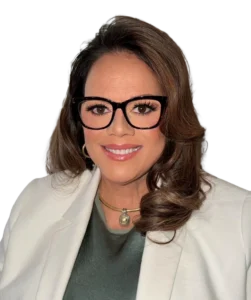
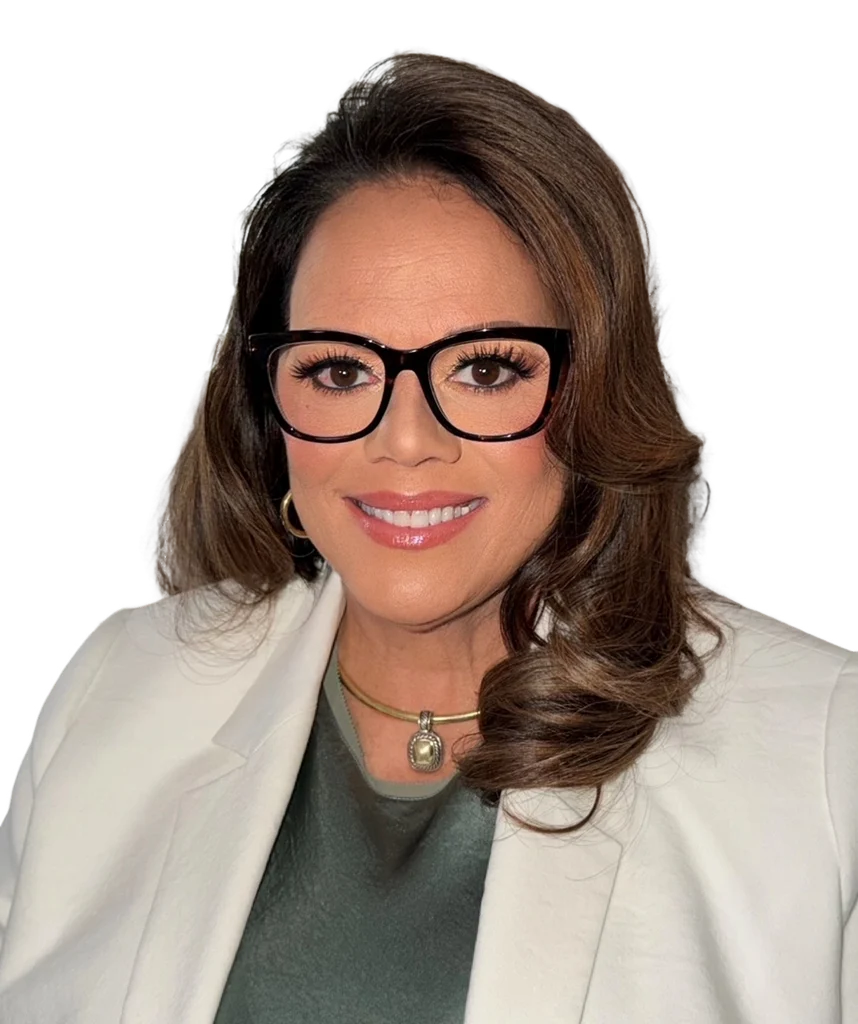
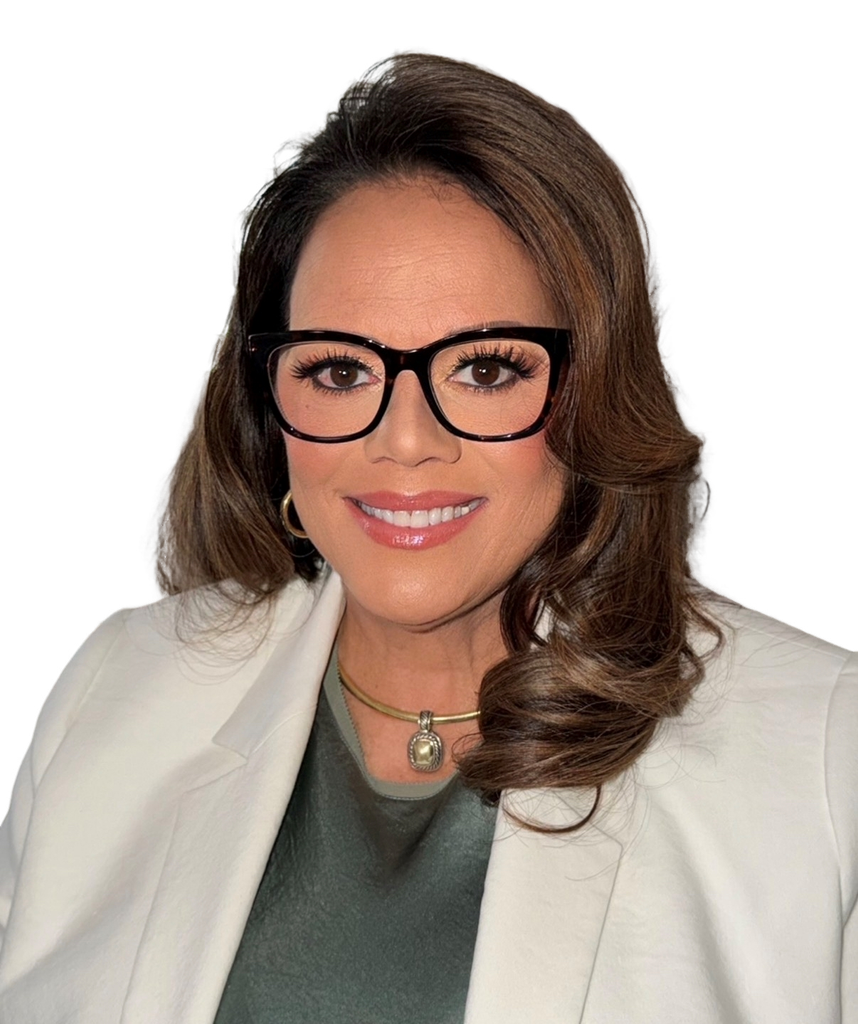
Laura Williams brings a deeply personal perspective to the table. As a member of the "Sandwich Generation"—those simultaneously raising children and providing care for aging parents—Williams experienced the compounding exhaustion that defines the modern caregiving experience. Her journey as a long-distance caregiver for her mother served as the catalyst for Respitely, an innovative platform designed to bridge the gap between a caregiver’s need for a break and the resources required to make that break a reality.
"We often talk about the necessity of recharging," Snelling noted during the episode. "But for the caregiver, the barrier is rarely the desire to rest—it is the logistical and emotional hurdle of finding safe, reliable support. It is about creating a moment of calm in the midst of a storm."
The "CareGifting" Paradigm
The most striking innovation discussed in the episode is the concept of "CareGifting." Williams identified a systemic flaw: caregivers are often too overwhelmed to organize their own relief, and their friends and family are often paralyzed by not knowing how to help.
Respitely functions as an ecosystem for support. Much like how modern platforms have revolutionized food delivery through apps like Uber Eats or DoorDash, Respitely approaches the caregiving experience through the lens of community empowerment. It is not a service the caregiver orders for themselves; it is a gift—a collective investment from friends, colleagues, and extended family members who want to ensure the caregiver is protected from burnout. By crowdfunding or organizing respite services, the community provides the caregiver with the permission and the means to step away from their duties, knowing their loved one is in capable hands.
Chronology of a Caregiving Crisis
The evolution of caregiver support has moved from fragmented, localized efforts to a digital-first, integrated approach.

- Pre-2010s: Caregiving was largely treated as a private, domestic burden. Resources were sparse, and the stigma of seeking help often led to severe caregiver isolation.
- 2015–2020: The rise of "Caregiver Tech" began to emerge. Platforms like CaringBridge gained traction, allowing for better communication between the caregiver and their circle of support.
- 2020–Present: The pandemic accelerated the conversation regarding caregiver burnout. The "Great Resignation" and the subsequent focus on mental health in the workplace brought the plight of the "employee-caregiver" into the boardroom.
- Current State: We are now in the era of "intentional respite." Tools like Respitely, alongside established organizations like the ARCH National Respite Care Network and the VA’s Caregiver Support Program, are moving the needle from reactive crisis management to proactive wellness maintenance.
Supporting Data: The Cost of Silence
The implications of ignoring the need for respite are well-documented. According to data frequently cited by the Caregiving Club, family caregivers who do not take regular breaks face significantly higher risks of chronic health issues, including heart disease, depression, and immune system suppression.
The economic impact is equally staggering. When caregivers leave the workforce or reduce their hours due to burnout, the loss of productivity and income creates a "double-jeopardy" scenario for family finances. This is why corporations are increasingly looking at caregiving benefits as a core retention strategy. As Snelling points out, employers who offer robust caregiver support—including access to respite services—see higher levels of employee engagement and lower turnover rates.
Official Responses and Expert Advocacy
During the episode, the conversation shifted to the diverse landscape of resources available today. While Respitely offers a community-based solution, the panel highlighted that a multi-pronged approach is essential:
- Public Sector Support: The Veteran’s Administration remains a gold standard, offering up to 30 days of respite care per year. Similarly, the "Area Agencies on Aging" (via UsAging) provide a localized safety net for seniors and their families.
- Specialized Grants: Organizations like Hilarity for Charity provide crucial "care grants," specifically targeting the dementia-caregiver population, where the burden of care is often most acute.
- Professional Marketplaces: Services like Care.com and Comfort Keepers act as the infrastructure for respite, providing the professional staffing necessary for in-home companionship and clinical care.
Implications for the Future
The dialogue between Snelling and Williams suggests that the future of caregiving lies in a shift from individual sacrifice to shared responsibility. The "Caregiving Club On Air" podcast, which recently hit the #3 spot on Feedspot’s ranking of caregiving podcasts, has become a vital hub for this shift. By moving news segments to a dedicated YouTube channel, the team is ensuring that educational content regarding "Well Home Design," workplace advocacy, and self-care hacks reaches a broader, more digital-native audience.

The implication for society is clear: We cannot sustain our aging population if we continue to burn out the primary workforce providing their care.
Actionable Steps for Caregivers
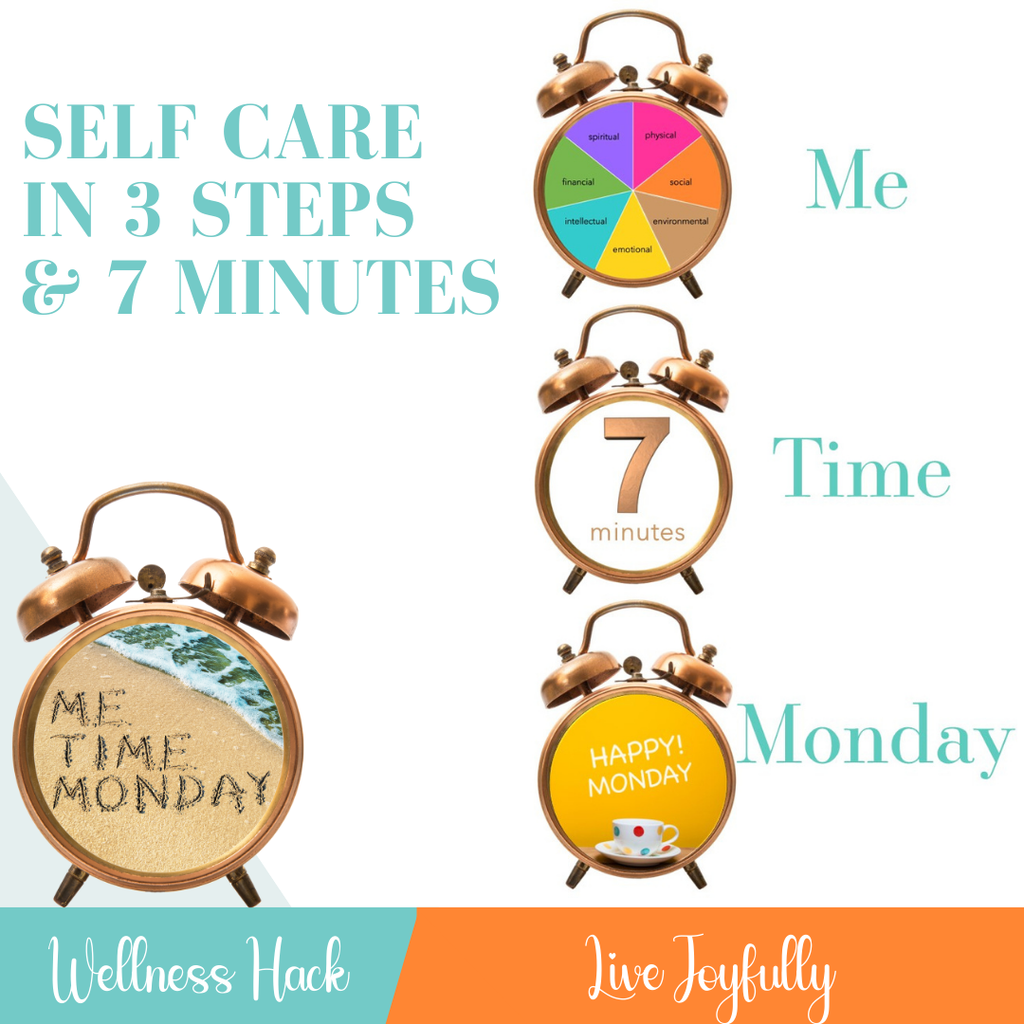
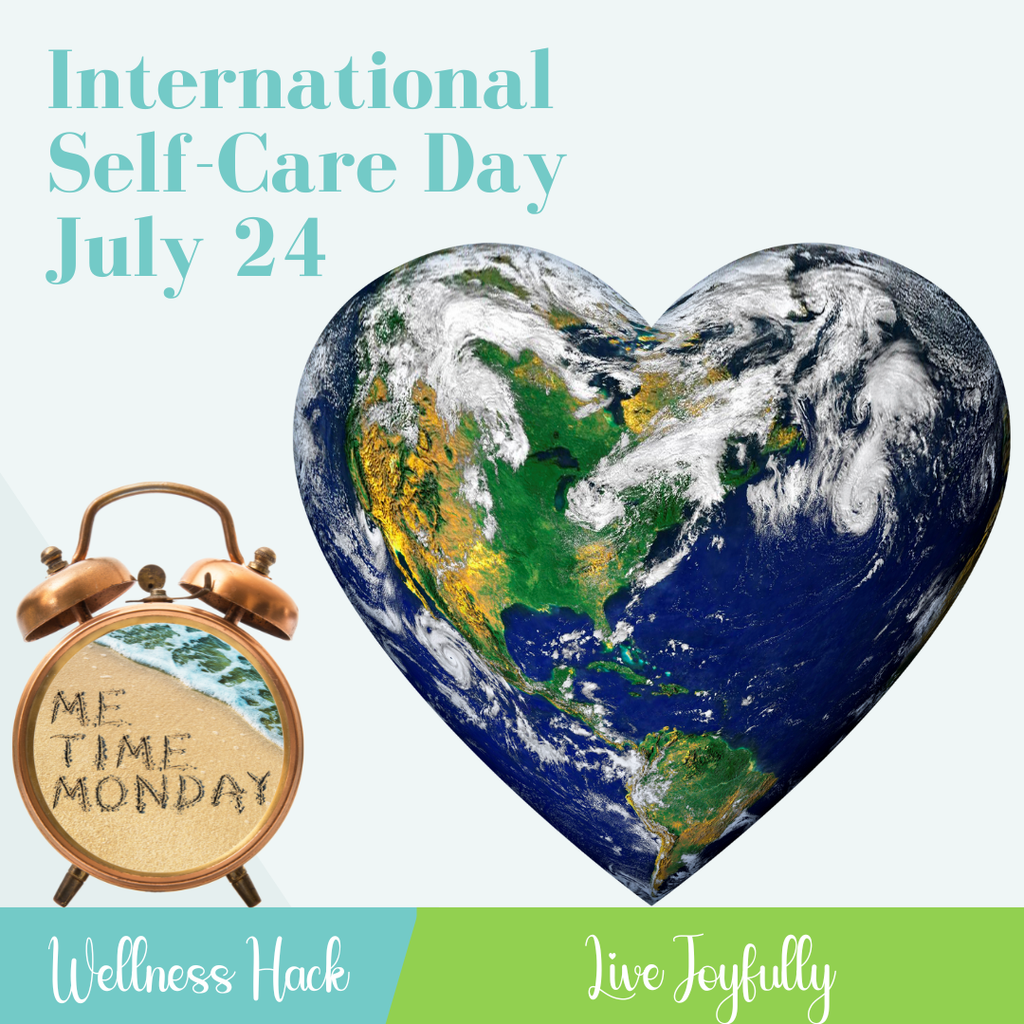
For those currently navigating the complexities of care, the "Me Time Monday" series, promoted by the Caregiving Club, serves as a practical, bite-sized guide. These seven-minute wellness hacks—ranging from digital detox strategies to simple relaxation techniques—provide a template for reclaiming time.

The consensus from the episode is simple but profound: You are not meant to do this alone. Whether you are a family member looking to support a caregiver, or a caregiver trying to navigate the system, the resources are growing.
Resources at a Glance:

- Respitely: For organizing community-funded care breaks.
- ARCH National Respite Care Network: For locating national agencies.
- Elder Care Locator (1-800-677-1116): For navigating local government resources.
- CaringBridge: For coordinating volunteer help among friends and family.
Conclusion: A New Era of Wellness
As September draws to a close, the lessons from the Caregiving Club and Respitely remain vital for every month of the year. The "marathon" of caregiving requires pit stops. By normalizing the need for respite and utilizing the growing ecosystem of digital and community support, we can transform the caregiving journey from one of depletion to one of sustainable, compassionate connection.
The message is clear: To provide the best care for others, you must first ensure that the "caregiver" is well. As Williams concludes, the gift of time—the gift of a break—is the most valuable asset one can offer to those who give so much of themselves.