For decades, non-sugar sweeteners (NSS)—ubiquitous in diet sodas, "zero-calorie" snacks, and sugar-free pantry staples—have been marketed as the panacea for the global obesity epidemic. Promoted as a guilt-free bridge for those looking to curb sugar intake without sacrificing sweetness, these compounds have become foundational to the modern diet. However, a landmark shift in public health guidance from the World Health Organization (WHO) has challenged this long-held paradigm, suggesting that our reliance on artificial sweeteners may be doing more harm than good.
Main Facts: The WHO’s New Stance
In a comprehensive report, the World Health Organization issued a new guideline advising against the use of non-sugar sweeteners to control body weight or reduce the risk of noncommunicable diseases. The guidance covers common synthetic and natural sweeteners, including acesulfame K, aspartame, saccharin, sucralose, and stevia.
The WHO’s core conclusion is stark: replacing free sugars with NSS does not confer long-term benefits in reducing body fat in either adults or children. While these sweeteners were originally designed to mimic the sensory experience of sugar while bypassing its caloric payload, the evidence suggests that the human body—and the human metabolism—does not necessarily respond to these substitutes with the expected weight-loss outcomes.
Perhaps most critically, the WHO emphasizes that these sweeteners provide zero nutritional value. By continuing to rely on intense sweetness, even from artificial sources, consumers may be perpetuating a "sweet tooth" that makes transitioning to healthier, less processed diets increasingly difficult.
Chronology of the Controversy
The path to this current recommendation has been marked by a tug-of-war between clinical trial data and long-term observational studies.
- Early Adoption (1980s–2000s): Artificial sweeteners gained widespread approval as a strategic tool for weight management. Clinical trials consistently demonstrated that, in the short term, replacing sugar-sweetened beverages with low-calorie versions resulted in lower overall caloric intake.
- The Rise of Longitudinal Data (2010s): As population-level data became more robust, researchers began to notice a puzzling trend: individuals who consumed high amounts of artificial sweeteners were not, on average, thinner than those who consumed sugar. In fact, they often showed higher incidences of metabolic syndrome.
- The WHO Systematic Review (2022–2023): The WHO conducted a sweeping systematic review of existing research, identifying a disconnect between short-term calorie reduction and long-term health outcomes.
- The Aspartame Reassessment (July 2023): Following the general guidance, the International Agency for Research on Cancer (IARC) and the Joint Expert Committee on Food Additives (JECFA) issued a specific risk assessment for aspartame, classifying it as a "Group 2B" carcinogen.
Supporting Data: Dissecting the Evidence
The data surrounding NSS is notoriously complex, often clouded by what researchers call "reverse causation."
The Metabolic Puzzle
Clinical trials have consistently shown that when people swap a sugary soda for a diet version, they consume fewer calories in that specific instance. However, the WHO found no significant, sustained effect on hunger or satiety. Some studies suggest that the "sweetness without energy" disconnect may confuse the body’s metabolic signaling, though results remain inconsistent. Some trials reported reduced hunger, while others suggested that high intake of diet beverages actually triggered increased appetite for other foods.
Observational Findings
Observational cohort studies—which track thousands of people over years—paint a concerning picture. High long-term intake of NSS-containing beverages has been linked to an increased risk of cardiovascular disease, stroke, and early mortality. Furthermore, frequent consumption is associated with a higher risk of developing type 2 diabetes.
However, the WHO acknowledges the "reverse causation" trap: individuals who are already overweight or at risk for metabolic disease are the most likely to reach for "diet" products. Thus, it is difficult to determine if the sweetener is causing the health issue, or if the health issue is prompting the person to seek out the sweetener.
The Cancer Question
Regarding cancer risk, the WHO’s review found no clear association between NSS and cancer incidence. This was further clarified by the recent IARC evaluation of aspartame. Classified as a "Group 2B" carcinogen—a category that includes substances like pickled vegetables and aloe vera extract—the classification indicates "limited evidence" of liver cancer in humans. Crucially, the committee did not change the acceptable daily intake (ADI) of 40 mg/kg of body weight. For a 150-pound adult, this remains a massive 2,727 mg per day, or roughly 11 cans of diet soda.
Official Responses and Scientific Critique
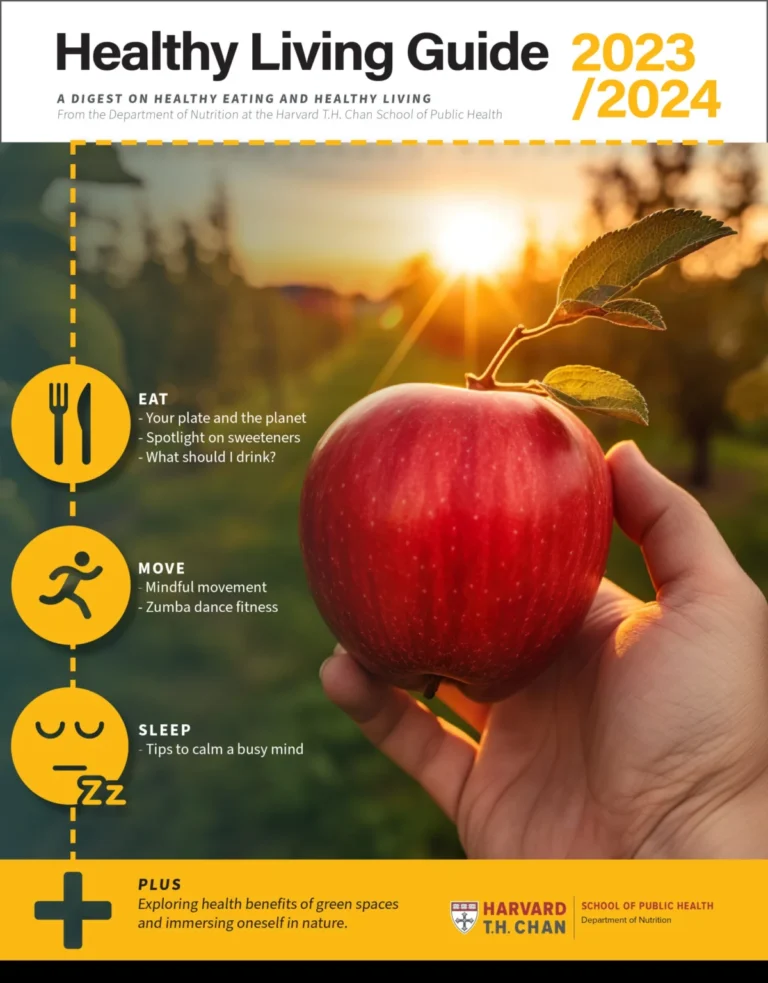
The WHO’s recommendation has not been without its critics. Experts at the Harvard T.H. Chan School of Public Health, while generally supporting the push to reduce overall sugar consumption, have pointed to significant gaps in the WHO’s meta-analysis.
The Harvard Critique
Harvard researchers noted that the WHO excluded several large-scale cohort studies representing over 100,000 individuals. When these studies are included in the statistical modeling, the results look different. Specifically, replacing sugar-sweetened beverages with artificially sweetened ones was associated with:
- A 4% lower risk of total mortality.
- A 5% lower risk of cardiovascular-related death.
- A 4% lower risk of cancer-related death.
This suggests that, for the average person currently consuming high amounts of sugar, an artificial sweetener remains the "lesser of two evils" in the short-to-medium term.
The Expert Consensus
Frank Hu, Chair of the Department of Nutrition at Harvard, offers a nuanced middle ground. He argues that while we should not view artificial sweeteners as "health foods," they serve a specific, narrow purpose. "For habitual consumers of sugar-sweetened beverages, artificially sweetened beverages can be used as a temporary replacement," Hu explains. However, he stresses that this is a transition strategy, not a permanent lifestyle change. The gold standard for human health, he maintains, remains plain water, unsweetened coffee, and tea.
Implications for Public Health and the Consumer
The shift in the WHO’s guidance signals a fundamental change in how nutritionists view "ultra-processed" health interventions.
Moving Toward "Whole-Diet" Health
The most significant implication is the shift away from a "silver bullet" mentality. Public health experts are moving toward the idea that we cannot simply swap ingredients to fix a broken diet. If the goal is long-term weight management and disease prevention, the solution is not to find a chemical replacement for sugar, but to fundamentally lower the threshold for sweetness in the human diet.
Policy and Industry Challenges
This guidance puts pressure on the food and beverage industry, which has spent billions developing sugar-free alternatives to meet health-conscious consumer demand. Governments may now face pressure to re-evaluate the labeling of "zero-calorie" products, potentially moving away from health claims and toward more transparent warnings about the lack of nutritional value.
Practical Advice for Consumers
For the average consumer, the advice is becoming clearer:
- Reduce Total Sweetness: Whether it is sugar or stevia, training the palate to enjoy less sweetness is a primary health goal.
- Use as a Bridge, Not a Destination: If you are a heavy consumer of sugary sodas, artificial sweeteners may serve as a helpful tool to break the sugar habit, but they should not be considered a permanent, healthy component of the diet.
- Prioritize Natural Hydration: Water, unsweetened herbal teas, and black coffee remain the only beverages with consistent, long-term health benefits.
- Mind the "Sugar Alcohols": It is worth noting that the WHO’s current guidance does not apply to sugar alcohols (polyols) like xylitol, sorbitol, and maltitol. These sweeteners, while also not nutritional powerhouses, have different metabolic effects and were not the focus of this specific report.
Conclusion
The scientific community’s understanding of non-sugar sweeteners is in a state of flux. While we once viewed these additives as a simple way to "have your cake and eat it too," we now understand them to be complex, potentially disruptive substances that do not offer a shortcut to metabolic health.
The WHO’s recommendation serves as a wake-up call for the food industry and consumers alike: the path to longevity is not paved with synthetic substitutes, but with the reduction of our dependence on hyper-palatable, processed foods. As we look toward the future, the goal of public health will be to move the population away from the binary choice of "sugar vs. artificial" and toward a diet defined by whole, unprocessed ingredients. The sweet tooth, it seems, is a habit we are better off breaking altogether.