For decades, the name Linus Pauling was synonymous with scientific brilliance. As one of the few individuals to be awarded two unshared Nobel Prizes—one for Chemistry and one for Peace—Pauling’s intellectual footprint on the 20th century is indelible. He revolutionized our understanding of chemical bonding and the molecular structure of proteins. Yet, in the twilight of his career, Pauling pivoted toward a pursuit that would alienate him from the medical establishment: the fervent advocacy of high-dose vitamin C as a panacea for cancer.
For years, the mainstream medical community dismissed his claims as pseudoscience, often citing his descent into this "alternative" theory as a cautionary tale of the "halo effect"—the dangerous assumption that expertise in one field confers universal wisdom. However, half a century later, the narrative is proving to be far more nuanced. While Pauling’s assertions were undeniably hyperbolic and flawed in their delivery, modern clinical research is quietly returning to the scene of his "mistake." It turns out that when administered under specific, high-concentration conditions, vitamin C ceases to act as a simple nutrient and begins to function more like a sophisticated pharmaceutical agent.
The Chronology of a Scientific Schism
The story of Pauling and vitamin C began in the early 1970s, sparked by a collaboration with Scottish surgeon Ewan Cameron. Their approach was radical for the time: they treated patients with advanced, terminal cancers using massive doses of vitamin C. The delivery method was critical—they initially administered the substance intravenously, followed by oral supplementation.
The results reported by the pair were striking. They observed that patients receiving the vitamin regimen survived significantly longer and reported a better quality of life compared to those who did not. Some anecdotal reports even suggested survival times several times longer than expected.
However, the medical establishment, led by the prestigious Mayo Clinic in the United States, sought to validate these findings through rigorous, large-scale clinical trials. The results were devastating to Pauling’s reputation: the Mayo Clinic trials found zero survival benefit for patients taking oral vitamin C. For the oncology community, this effectively closed the book on the matter. Vitamin C was relegated to the bin of "alternative" fringe medicine, and Pauling’s late-career crusade was dismissed as a sad, unscientific deviation from his otherwise stellar life’s work.
The Missing Link: Intravenous vs. Oral Delivery
The fundamental flaw in the original debate—a point missed by both the detractors at the Mayo Clinic and the defenders of Pauling—was the method of administration. The human body is equipped with highly efficient, tightly regulated mechanisms to manage vitamin C absorption. When taken orally, the gut acts as a bottleneck; once blood plasma levels reach a certain concentration, the body stops absorbing more, and the excess is excreted.
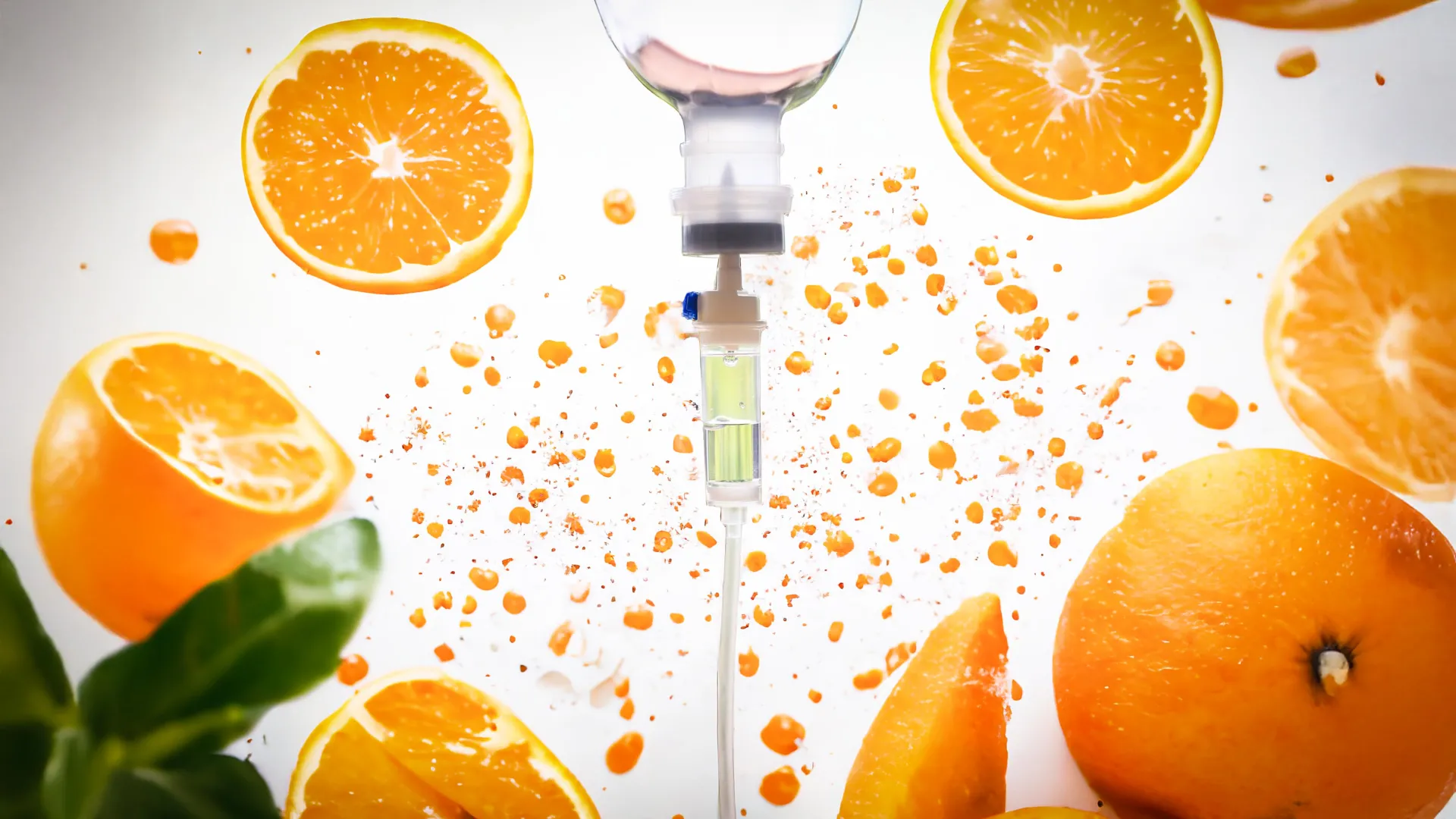
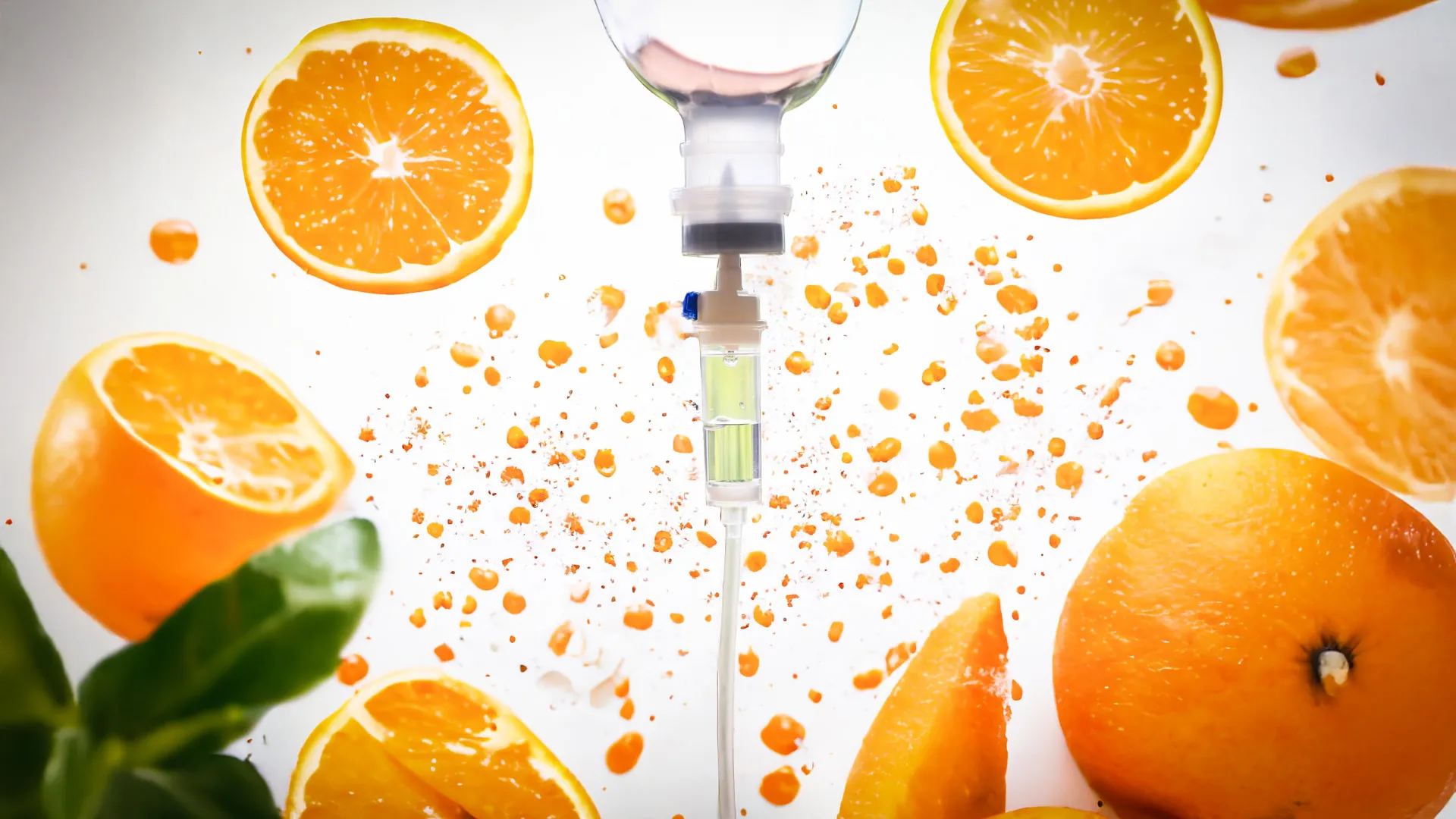
Swallowing megadoses of pills simply leads to expensive urine, as blood levels plateau regardless of how many tablets are consumed. In contrast, intravenous (IV) infusion bypasses the gut entirely, allowing blood levels of vitamin C to reach concentrations tens or even hundreds of times higher than what could ever be achieved through ingestion. This distinction is the crux of modern research. At these pharmacological concentrations, vitamin C undergoes a fundamental shift in its biological behavior.
The Mechanism: From Antioxidant to Pro-oxidant
To understand why high-dose vitamin C matters in oncology, one must understand its dual nature. At physiological levels—the amounts we get from food—vitamin C is a potent antioxidant. It mops up harmful free radicals, protecting our cells from oxidative stress and maintaining health.
However, at the extremely high concentrations achieved via IV infusion, vitamin C flips its role. It begins to promote the production of hydrogen peroxide within the tumor microenvironment. Cancer cells are often under intense metabolic stress; they grow rapidly in environments with poor blood supply and have already maxed out their internal "cleanup" systems. When flooded with a pulse of hydrogen peroxide, these stressed cells are pushed over the edge. Their DNA is damaged, their energy machinery fails, and they undergo programmed cell death. Crucially, healthy cells are better equipped to handle this oxidative stress, making the treatment potentially selective. In this light, high-dose IV vitamin C acts less like a vitamin and more like a weak, targeted chemotherapy drug.
Supporting Data and Early Clinical Evidence
While the promise of high-dose vitamin C is compelling, the current clinical data remain a complex mosaic. Small, early-stage trials have explored the use of IV vitamin C in patients battling formidable cancers, including pancreatic, ovarian, and glioblastoma (brain tumors).
The data suggest that these high doses are generally well-tolerated when administered under clinical supervision. However, there are significant caveats. Patients with poor kidney function or specific rare inherited metabolic conditions face serious risks, reinforcing the fact that this is a medical procedure, not a "wellness" trend to be pursued at a strip-mall clinic.
Furthermore, studies attempting to combine IV vitamin C with standard chemotherapy have produced mixed results. While some indicate a modest improvement in survival or a reduction in side effects, others show no clear benefit. The heterogeneity of these studies—varying dosages, cancer types, and combinations with other treatments—makes it impossible to draw definitive conclusions. Yet, one consistent finding has emerged: patients receiving IV vitamin C alongside chemotherapy frequently report a higher quality of life, citing reduced pain, less fatigue, and diminished nausea. For a patient navigating the harsh toxicity of advanced cancer treatment, these improvements are meaningful, even if they fall short of the "cure" Pauling once promised.
Emerging Biological Roles
Beyond its role as a potential cytotoxic agent, researchers are uncovering subtler biological functions for vitamin C. Modern studies hint that vitamin C plays a pivotal role in the epigenetic regulation of cells—influencing how DNA is "marked" and expressed. It also appears to influence how cells respond to hypoxia (low oxygen), a condition common in the dense centers of solid tumors. Some laboratory experiments even suggest that high-dose vitamin C might help "unmask" cancer cells to the immune system, potentially enhancing the efficacy of immunotherapies. While this remains speculative, it opens a new frontier in cancer biology that extends far beyond the simplistic "vitamin vs. disease" debates of the 1970s.
Official Responses and Medical Implications
The medical community remains rightfully cautious. Because we lack large-scale, randomized, definitive phase-III trials, intravenous vitamin C is not a standard-of-care therapy. It sits firmly in the category of "experimental." The consensus among oncologists is clear: patients should only receive such treatments within the context of properly controlled clinical trials or highly regulated medical settings.
The danger of "immune boost" clinics selling expensive, unverified IV drips cannot be overstated. These establishments often exploit the "Pauling legacy" to sell treatments to vulnerable patients without the oversight required to manage toxicity or monitor actual tumor response.
Conclusion: A Nuanced Vindication
Was Linus Pauling right? The answer is a qualified "partly." He was fundamentally incorrect in his promotion of oral vitamin C as a universal cure-all. He was also guilty of overpromising and ignoring the rigor of his own scientific background when it came to his later, more radical claims.
Yet, he was not entirely deluded. He possessed a prescient, if unrefined, intuition that intravenous delivery would unlock biological potential that oral consumption could not. Modern science is currently engaged in the slow, meticulous work of testing that hypothesis.
The story of vitamin C in cancer serves as a profound reminder that scientific progress rarely follows a straight line. It is a path marked by bold ideas, flawed early methodologies, defensive backlashes, and, eventually, a quieter, more rigorous return to the question. Pauling may never be fully vindicated in the way he envisioned, but he did catch a glimpse of a reality that the rest of the scientific world was not yet ready to see. Today, we are finally learning how to look.