
The sun has long since dipped below the horizon, casting the city into shadows. In a sterile, climate-controlled laboratory, the only ambient light emanates from the rhythmic pulse of a computer screen and the glow of benchtop equipment. A timer pings—a sharp, mechanical sound that cuts through the silence. A researcher, weary but focused, pulls on a pair of nitrile gloves and meticulously retrieves a sample. The process is precise, redundant, and exhausting. The timer is reset. The scientist returns to the data, waiting for the next time point.
This is the reality of cancer research. It is a world far removed from the fanfare of press releases and the polished headlines announcing the latest "miracle" treatment. It is a world of quiet, grueling dedication that spans years, if not decades. During National Cancer Research Month, the Cancer Research Institute (CRI) invites the public to look past the finished product of medical breakthroughs to see the essential, behind-the-scenes labor that makes progress possible.
The Anatomy of Discovery: Why Science is Slow
To the layperson, scientific discovery is often imagined as a sudden "eureka" moment. In reality, it is a process of iterative, sometimes monotonous, refinement. Consider an experiment currently running in a lab. It is rarely a standalone event; it is a single data point in a vast constellation of required validation.
To prove a hypothesis, a scientist must ensure that their results are reproducible. The process is akin to a complex culinary endeavor. You may follow a recipe with the precision of a chemist, yet find that the final dish differs from the last. Perhaps the humidity in the room changed, or a new shipment of ingredients contained a slight variation in acidity. In the laboratory, the variables are exponentially more complex. A fluctuation in ambient temperature, a subtle shift in the quality of a reagent, or even the minute calibration of a pipette can cause an experiment to go awry.
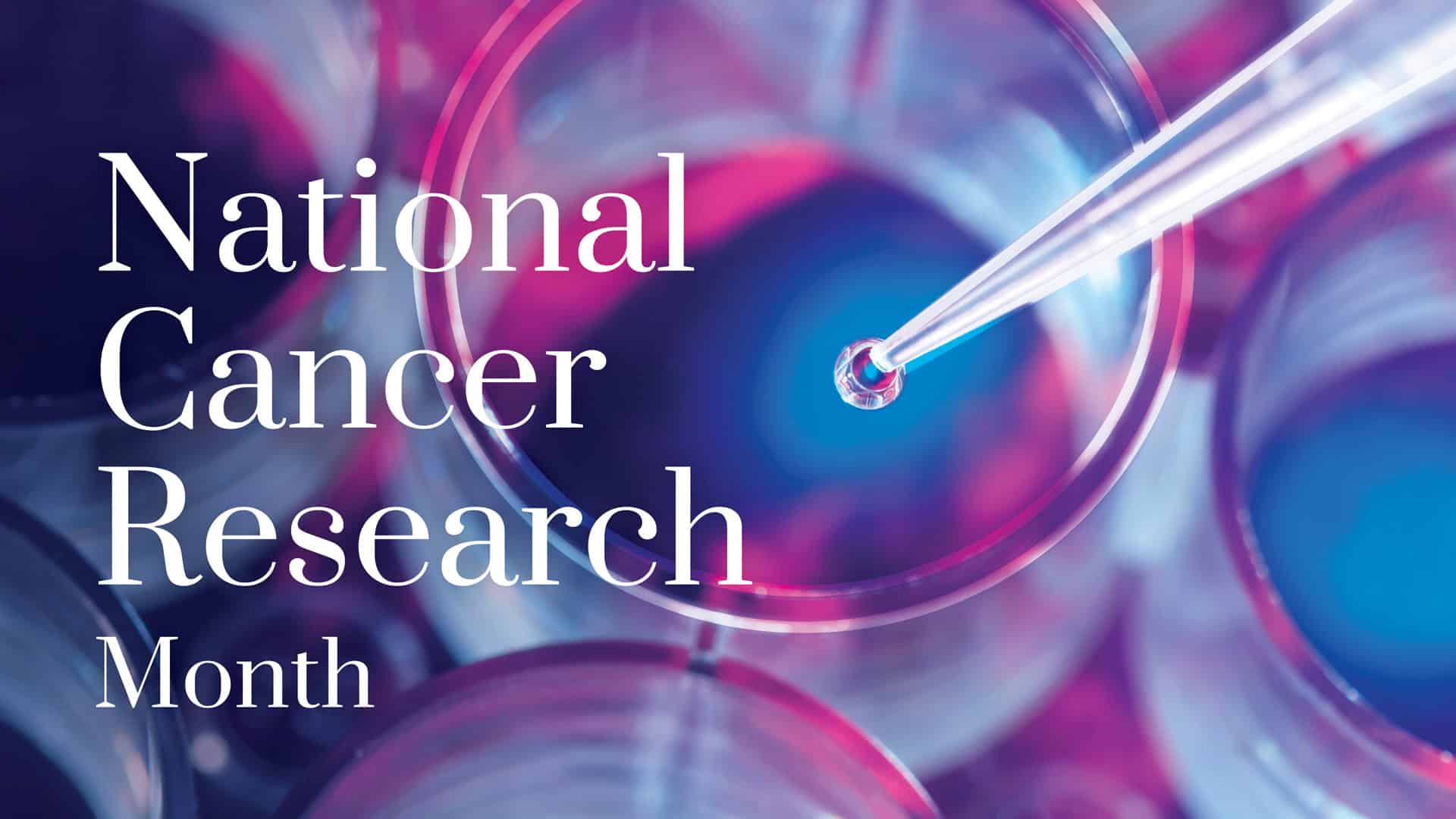
The scientist must act as a detective, methodically adjusting one variable at a time—temperature, timing, chemical concentration—until the results are consistent. Only when data is reproducible does it become trustworthy. Only when it is trustworthy can it be interpreted. And only then can it move to the next stage of the discovery pipeline. This is the "slow churn" of science—a process that is often as frustrating as it is necessary.
The Cost of Uncertainty: Funding and the Next Generation
While the laboratory grind is inherently difficult, it is currently facing an existential threat: a precarious funding landscape. Scientific progress is not merely a matter of intellect; it is a matter of resources.
"Funding cuts are disproportionately impacting young investigators and researchers," says Alicia Zhou, PhD, CEO of the Cancer Research Institute. "These are folks who are just beginning in their careers, hoping to start a long career in scientific research."
When funding dries up, it is not just the senior scientists who suffer; it is the pipeline of talent that is disrupted. Young researchers—the post-doctoral fellows and junior faculty who bring fresh perspectives and innovative methodologies—are often the first to be sidelined. If the next generation of researchers cannot secure the financial support to test their hypotheses, the momentum of cancer research stalls.

The financial requirements are immense. Support is needed not just for initial discovery, but for the "translational" phase—the bridge between the lab bench and the bedside. "There is a huge need for support of translational research and support for taking scientific discoveries in the lab and translating those into interventions that make a difference in clinical outcomes," notes Valsamo (Elsa) Anagnostou, MD, PhD, a CRI CLIP Investigator.
The Failure-to-Discovery Pipeline
A critical, often misunderstood component of research is the role of failure. In the public eye, a failed experiment is a loss. In the laboratory, a failed experiment is a data point.
Weeks, or even months, of work can lead to inconclusive results. A hypothesis that seemed ironclad on paper may crumble under the weight of empirical testing. Yet, scientists continue to return to the bench. They adjust their parameters, they rethink their methodologies, and they try again.
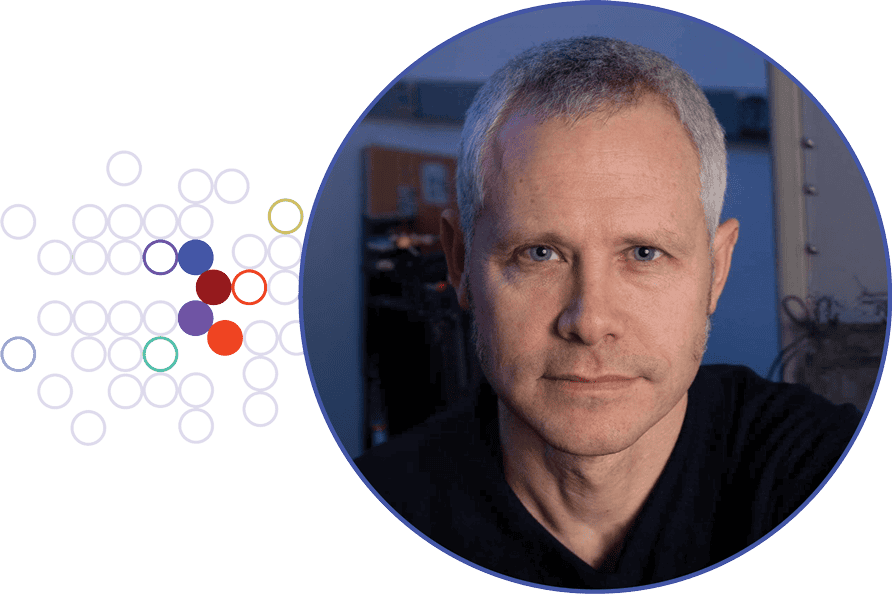
As Kenneth Murphy, MD, PhD, winner of the 2026 AACR-CRI Lloyd J. Old Award in Cancer Immunology, observes, "The truth of it is, we stumbled across that gene for the wrong reasons, and it was a disaster, and we finally figured out what was missing." Dr. Murphy’s subsequent fundamental discoveries regarding dendritic cells forever altered our understanding of how the human immune system recognizes and fights cancer. His story is a testament to the fact that progress is often a byproduct of navigating failure.

The Long Road to the Patient
Even when a discovery is validated in the laboratory, the journey is far from over. A finding must undergo intense scrutiny from the global scientific community. It must be replicated in different labs under varying conditions to ensure it is not a fluke of a specific environment.
Only after this rigorous peer validation can a discovery move toward preclinical studies, and eventually, into the highly regulated world of clinical trials. This path can span twenty years or more. It is a marathon, not a sprint.
"If we don’t protect this next generation of researchers, we risk losing the very people who will drive the discoveries of tomorrow," warns E. John Wherry, PhD, Associate Director of the CRI’s Scientific Advisory Council. The implications are clear: without sustained, long-term investment, the pipeline of life-saving therapies will eventually run dry.
The Human Impact: Why We Persevere
Why does the scientist stay in the lab after the sun goes down? Why do they persist through the failures and the monotony? They do so because they know that every breakthrough, every therapy, and every improved clinical outcome traces its lineage back to those quiet, lonely hours at the bench.
The human element is the ultimate motivation. Sharon Belvin, a survivor of stage 4 melanoma, stands as a testament to the power of this persistence. "My life, and the lives of so many others, are living proof that this work actually matters," she says.
The stories of survivors are the fruition of the thousands of hours of failed experiments, re-runs, and deep-dive analyses that preceded them. Every life extended is a victory for the anonymous researcher working in the dark.
Looking Ahead: The Necessity of Support
As we observe National Cancer Research Month, the message is one of both urgency and optimism. We are currently in a golden age of immunology and precision medicine, where our ability to understand and manipulate the immune system to fight cancer is at an all-time high. However, this progress is fragile.
To continue this momentum, society must prioritize the following:

- Sustained Public and Private Funding: Protecting the budgets of research institutes is essential to preventing a "brain drain" of young, talented scientists.
- Infrastructure for Translation: We must increase funding for the transition of discoveries from the bench to clinical trials, where they can directly impact patient care.
- Patience for the Process: As a society, we must understand that science does not move at the speed of the news cycle. It moves at the speed of rigor.
The work does not stop. Tonight, while the rest of the world sleeps, a light will remain on in a laboratory somewhere. A scientist will pick up a pipette, a timer will ding, and a new experiment will begin. This is the foundation upon which all modern medicine is built—the quiet, relentless, and essential pursuit of the unknown.
We owe it to those who will need these treatments tomorrow to ensure that the researchers of today have the resources they need to keep the lights on, the experiments running, and the hope alive.
For more information on how you can support this critical work, visit the Cancer Research Institute to see the progress being made by our funded scientists.