Published May 12, 2026
In the vast, sprawling landscape of modern yoga, the numbers can be overwhelming. Traditional texts suggest there are 84 foundational asanas (physical poses), a figure that has evolved significantly as the practice migrated from ancient India to the global stage. When modern, contemporary variations are tallied, that number swells toward 300; incorporate the experimental postures developed in the last two decades, and you are looking at a catalog of over 1,000 shapes.
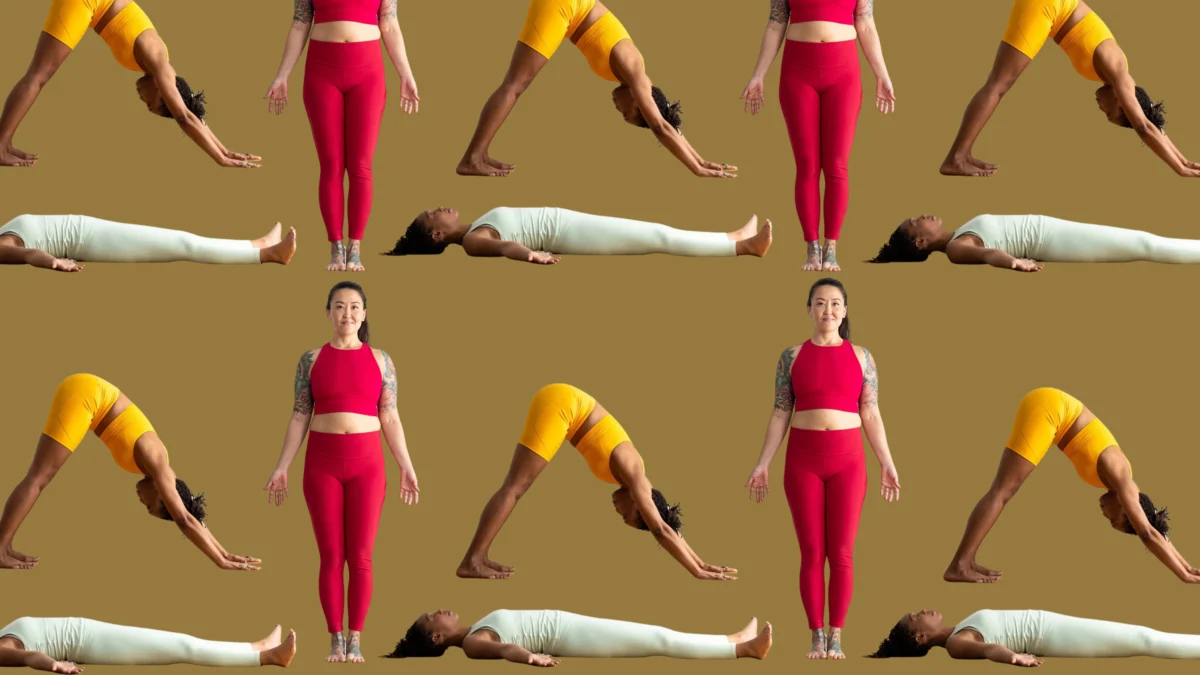
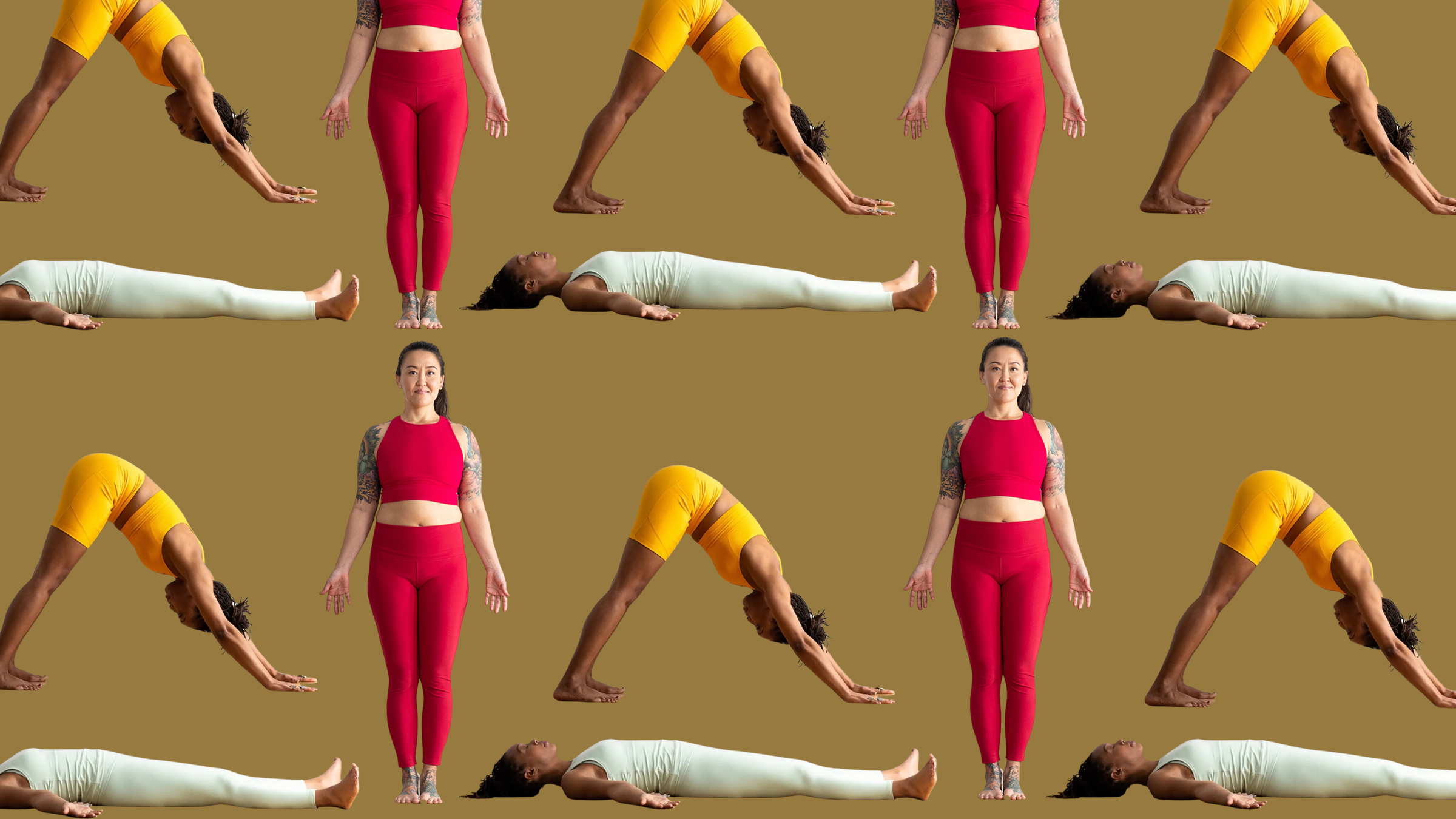
Yet, despite the proliferation of complex arm balances, gravity-defying inversions, and visually intricate twists, the core of the practice relies on a deceptively simple trio of postures. These three poses—Mountain, Downward-Facing Dog, and Savasana—do not merely serve as transitions; they are the architectural blueprints for the entire yoga experience. They are the shapes to which practitioners return, regardless of their experience level, to ground, align, and integrate.
The Evolution of the Asana: From Tradition to Modernity
To understand the weight of these foundational poses, one must first understand the history of the practice. For centuries, yoga was largely meditative, with physical postures serving as preparation for long periods of seated stillness. It wasn’t until the early 20th century, largely through the influence of figures like T. Krishnamacharya, that the "vinyasa" style—linking movement with breath—gained widespread popularity.
As yoga moved into Western gymnasiums and boutique studios, the focus shifted. While the aesthetic allure of a perfectly executed Handstand or a deep Pigeon Pose is undeniable, veteran instructors argue that the "Instagram-ability" of modern yoga has obscured the necessity of foundational work. "We have become obsessed with the apex pose," says Sarah Jenkins, a lead instructor at the International Yoga Alliance. "But if you look at the most seasoned practitioners, they aren’t practicing for the ‘wow’ factor. They are practicing to refine their relationship with the basics."
1. Mountain Pose (Tadasana): The Microcosm of Alignment
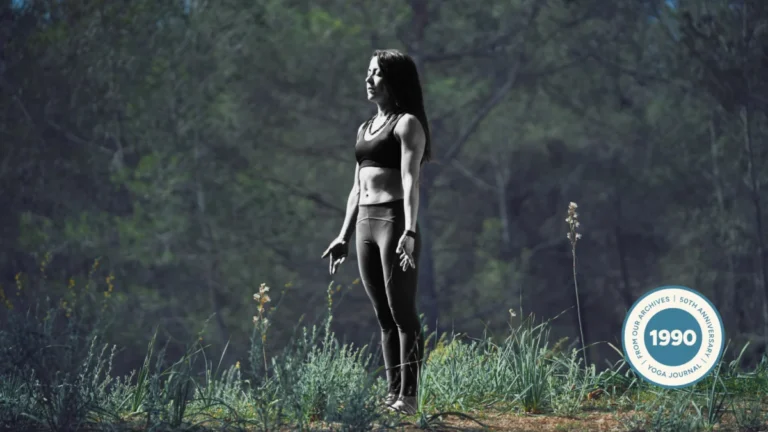
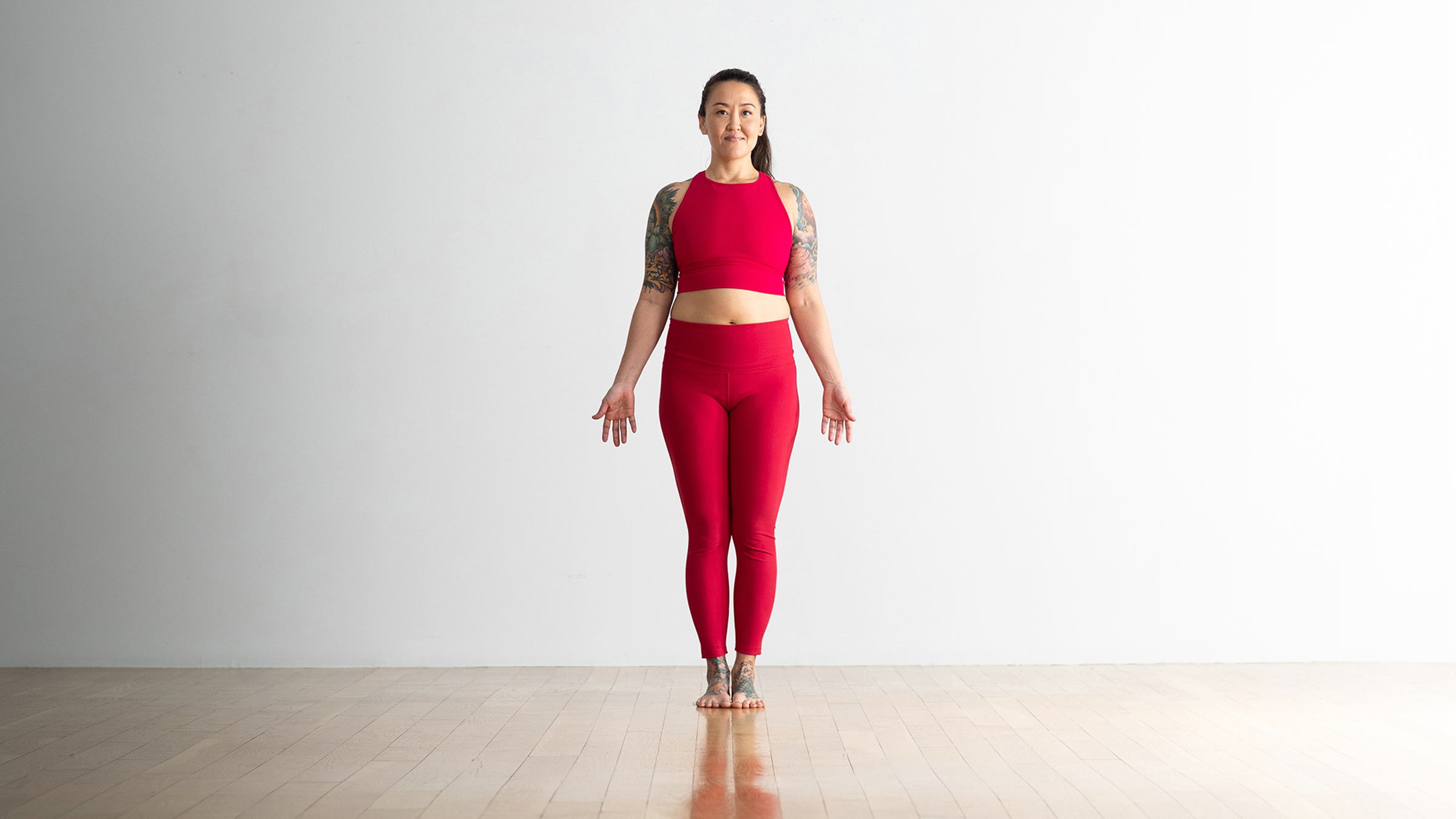
Often dismissed by beginners as "just standing there," Mountain Pose (Tadasana) is, in reality, the most demanding shape in the entire repertoire. It is a microcosm of every other yoga pose. If you can maintain perfect alignment in Tadasana, you can theoretically maintain it in a complex warrior sequence or a challenging inversion.
The Science of Verticality
Tadasana requires a conscious recalibration of the body’s relationship with gravity. It involves grounding through the four corners of the feet, engaging the quadriceps, lengthening the spine, and drawing the shoulders away from the ears. This is not passive standing; it is active, engaged awareness.
Research from the Journal of Somatic Studies suggests that practitioners who dedicate time to Tadasana show a marked improvement in postural awareness throughout their daily lives. By practicing this "vertical integrity" on the mat, students often report reduced chronic back pain and improved breathing patterns in high-stress professional environments.
2. Downward-Facing Dog (Adho Mukha Svanasana): The Universal Reset
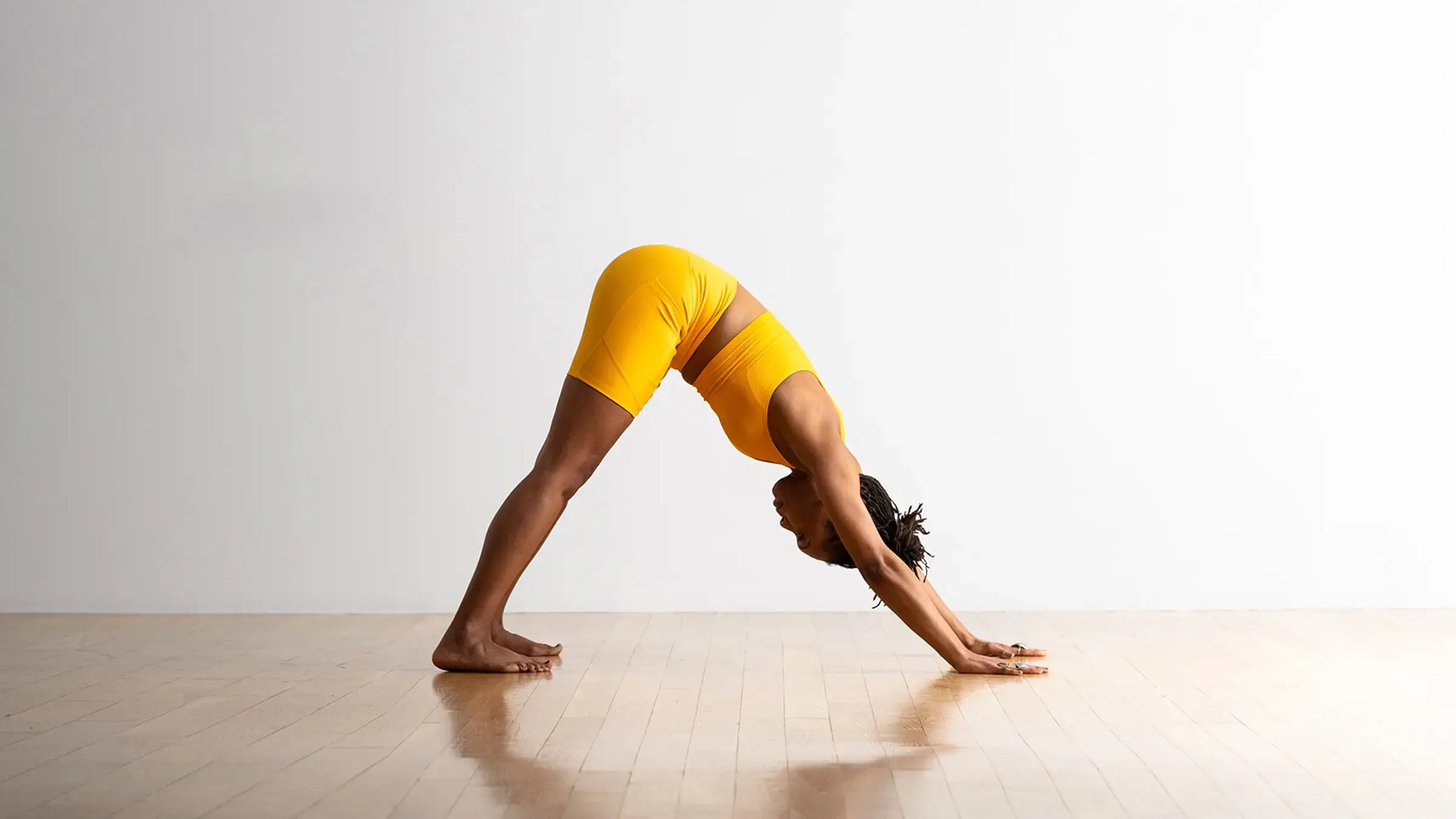
If Tadasana is the beginning, Downward-Facing Dog is the heartbeat of the practice. It is the pose that appears most frequently in almost every style of yoga, from the vigorous flows of Vinyasa to the deliberate, slow-paced movements of Hatha.
Reframing the "Resting" Misconception
There is a common point of contention in studios worldwide: the teacher who calls Downward-Facing Dog a "resting pose." For many, particularly those with tight hamstrings or shoulder impingements, this is a source of frustration. However, when reframed, the pose becomes a tool for restoration rather than a test of endurance.
"Downward-Facing Dog is a mirror," explains Dr. Aris Thorne, a specialist in sports kinesiology. "It reflects exactly where you are holding tension. If your shoulders are rigid, the pose shows it. If your hamstrings are guarded, the pose shows it. It is an honest diagnostic tool that allows the practitioner to adjust their effort in real-time." By learning to find the "ease within the effort" in this inverted V-shape, students build the psychological resilience necessary to navigate the stresses of the world outside the studio walls.
3. Savasana (Corpse Pose): The Integration of Practice
If the physical practice is the journey, Savasana is the destination. Despite its simple appearance—lying flat on the back—it is widely considered the most difficult pose to master. In a culture that equates value with productivity, the act of "doing nothing" is a radical departure from the norm.
The Biological Necessity of Stillness
Savasana is not an optional nap at the end of a class. Physiologically, it is when the nervous system transitions from the sympathetic ("fight or flight") state, which is often stimulated by the heat and intensity of a vigorous practice, to the parasympathetic ("rest and digest") state.
Studies into autonomic nervous system regulation suggest that the five to ten minutes spent in Savasana facilitate the consolidation of muscle memory and the lowering of cortisol levels. Without this integration, the body remains in a state of high arousal. Consequently, many schools of yoga consider a class "incomplete" if it concludes without a proper Savasana. It is the final, crucial seal on the work performed during the session.
Implications for the Future of Practice
The modern yoga industry is currently undergoing a shift back toward the "slow yoga" movement. As burnout rates rise in professional sectors, the demand for restorative, alignment-based practice is increasing.
Supporting Data: The Longevity Factor
Data collected from over 5,000 yoga practitioners over the past decade indicates that those who focus on foundational poses report fewer injuries and higher long-term satisfaction with their practice. While advanced poses have their place in athletic development, the "foundational trio"—Mountain, Downward-Facing Dog, and Savasana—remains the key to sustainable, lifelong mobility.
Official Responses and Professional Consensus
Industry leaders are increasingly emphasizing the importance of these three poses in teacher training programs. "We are moving away from the culture of ‘showmanship’ in yoga," says Marcus Vane, an advisor to the Global Yoga Federation. "The future of the practice isn’t in how many poses you can perform, but in how deeply you can inhabit the ones you already know. The ‘foundational three’ are not just postures; they are a lifestyle framework for stability, honesty, and integration."
Conclusion: Returning to the Source
As yoga continues to evolve, the temptation to chase the next difficult variation will remain. Yet, the wisdom of the practice is found in the return to the basics. By mastering the mountain, the dog, and the corpse, the practitioner learns that the complexity of yoga is not found in the pose itself, but in the internal landscape cultivated within those shapes.
Whether you are a seasoned yogi or a newcomer to the mat, the invitation remains the same: stand tall, find your breath, and learn how to let go. In a world of infinite movement, there is profound power in simply knowing how to stand, how to stretch, and how to rest.