









When H5N1, the highly pathogenic avian influenza (HPAI) virus, first breached the biological barriers of the U.S. dairy industry in early 2024, the scientific community was met with a confounding puzzle. For decades, influenza experts had mapped the virus’s path through avian and mammalian species, largely anticipating a respiratory-heavy clinical presentation. Instead, the virus bypassed the lungs entirely, manifesting in a way that left veterinarians baffled and dairy farmers struggling to contain a silent, spreading threat.
Now, a groundbreaking study from the University of Pittsburgh School of Public Health, published in Science Advances, has finally unraveled the "why." By decoding the complex glycan architecture of bovine tissue, researchers have provided the first definitive explanation for this clinical anomaly. This discovery not only closes a chapter on a confusing chapter of animal health but provides a predictive toolkit that may prevent future surprises as the virus continues to evolve.
The Anatomy of an Outbreak: A Chronology of Confusion
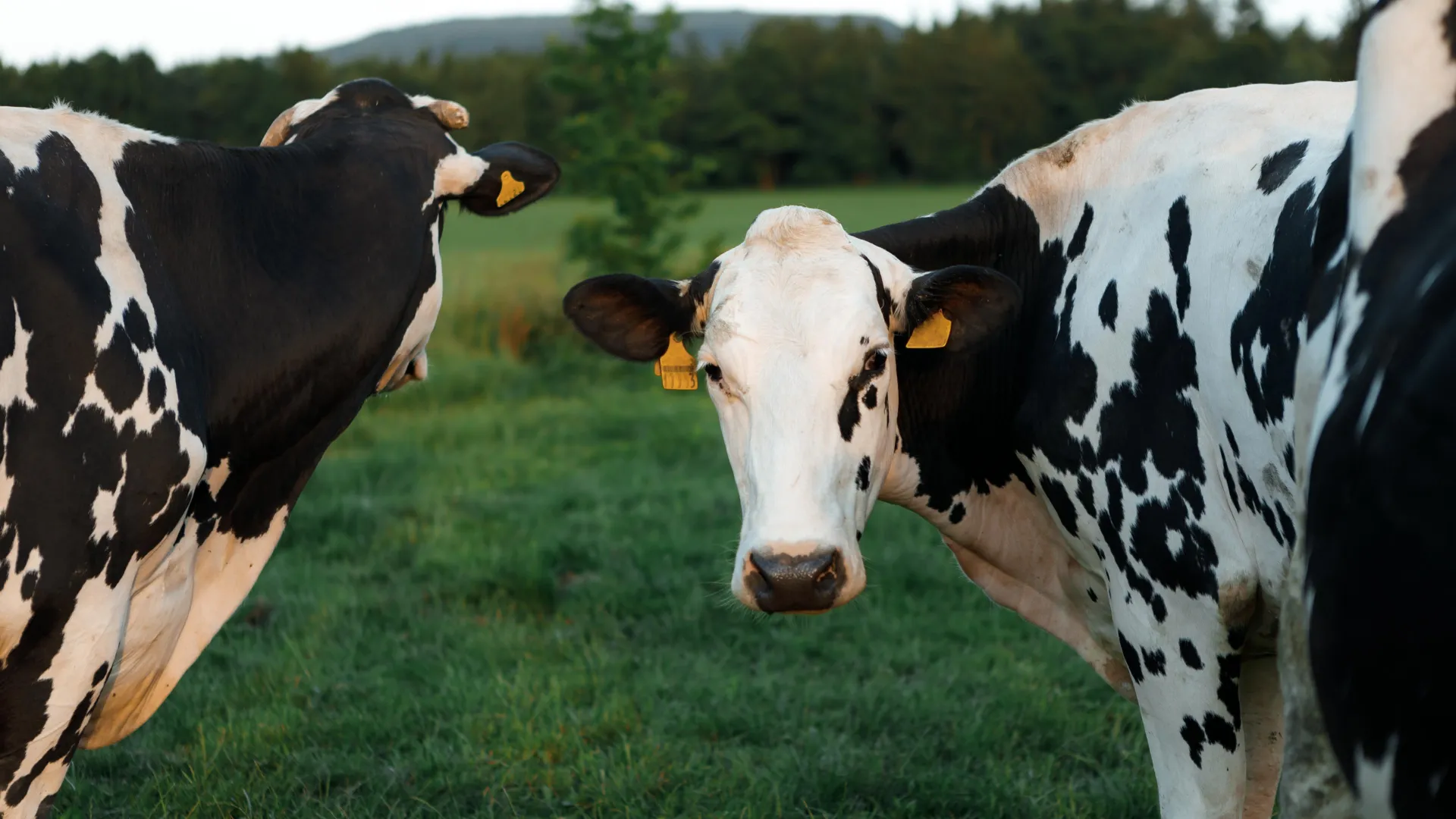
The crisis began in the Texas Panhandle, a region dense with industrial-scale dairy operations. As the virus entered these herds, it did not present as the coughing, sneezing, or respiratory distress typical of bovine influenza. Instead, cows began suffering from severe, necrotizing mastitis—a painful inflammatory condition that destroys mammary gland tissue and drastically reduces milk production.
Early Days: Searching for Bacterial Culprits
In the initial weeks of the outbreak, veterinarians operated under the assumption that they were dealing with common bacterial pathogens. Mastitis is an endemic challenge in the dairy industry, and the clinical signs—swollen udders and tainted milk—looked identical to standard bacterial infections.
"Mastitis is a classic disease in milk-production animals, and veterinarians were dutifully looking to all the usual suspects for the source, like bacterial pathogens," explains Dr. Suresh Kuchipudi, chair of Infectious Diseases and Microbiology at Pitt Public Health and senior author of the study. "When the real culprit turned out to be bird flu, everyone in the field was caught completely by surprise. We hadn’t even remotely considered that cattle could be a host for H5N1."
The Rapid Spread
As the virus remained misidentified, it moved fluidly through herds. The nature of the infection meant that the virus was being shed in astronomical quantities through milk. This created an immediate occupational health crisis for farm workers and highlighted secondary risks to domestic animals. Researchers noted that the habit of feeding raw milk to cats—a common practice on some farms—led to tragic outcomes, with cats suffering from severe, often fatal, neurological symptoms after consuming infected milk.
Decoding the Lock and Key: The Science of Glycans
To understand why the virus targeted the udder rather than the lungs, the Pitt Public Health team had to look at the microscopic "handshake" between the virus and the host cell.
The Role of Glycan Receptors
Influenza viruses operate on a "lock-and-key" mechanism. To infect a cell, the virus must attach its surface proteins to specific sugar-based molecules called glycans on the surface of the host cell. For years, scientists believed that because cattle possessed respiratory glycan receptors in their noses, tracheas, and lungs, they would naturally contract respiratory flu.
"Glycan biology is very complex," Dr. Kuchipudi notes. "We realized that, to understand what was really going on, we would need to use more innovative technologies and map out the fine-detailed architecture that enables the virus to bind to cells."
Innovative Mapping
To solve the mystery, Dr. Kuchipudi partnered with Dr. Lauren E. Pepi of Harvard Medical School, an expert in glycomics. Using a combination of binding experiments, immunohistochemistry (staining), and ultra-high-resolution imaging, the team interrogated the tissue at an unprecedented level of detail.
The results were transformative. The research revealed that H5N1 does not recognize all glycan receptors equally. It specifically targets a subtype known as N-linked sialic acid receptors. When the team mapped these receptors across the cow’s anatomy, the discrepancy vanished: these specific receptors were abundant throughout the udder tissue but were nearly absent in the airway tissue. The mammary gland, essentially, acted as a "perfect breeding ground" for the virus, explaining the clinical absence of respiratory disease.
Supporting Data and Evidence: The Path to Discovery
The methodology employed by the team represents a new gold standard in viral surveillance. By integrating molecular biology with structural glycomics, the study provides data that shifts the paradigm of how we view host susceptibility.
- Tissue Distribution: The study demonstrated that the density of N-linked sialic acid receptors is the primary determinant of tissue tropism in bovine hosts.
- Viral Tropism: In vitro experiments showed high affinity between the H5N1 virus and the mammary-specific receptors, contrasting with a lack of binding affinity for respiratory tissue.
- Comparative Analysis: By comparing their findings with previous research on feline infections (which often show neurological symptoms), the researchers were able to establish a clear pattern: the virus’s host-tissue target is dictated by the specific "sugar code" present on the surface of the animal’s cells.
Official Responses and Public Safety
While the scientific community focuses on the mechanisms of infection, public health officials have remained focused on the safety of the human food supply. Dr. Kuchipudi has been a vocal advocate for public awareness regarding raw milk consumption.
The Pasteurization Guarantee
Despite the widespread nature of the outbreak in dairy cattle, the consensus from the USDA and the CDC remains clear: commercial dairy products are safe. Pasteurization, the process of heating milk to specific temperatures, is highly effective at neutralizing the H5N1 virus. The risks associated with the outbreak are primarily concentrated among those who work in close contact with livestock and those who consume unpasteurized raw milk.
"Pasteurization effectively destroys the virus," Kuchipudi emphasized, noting that the biological discovery reinforces the importance of avoiding raw milk, which can act as a vehicle for the virus to move from the udder to the consumer.
Implications: Preparing for the Next Spillover
The discovery at the University of Pittsburgh is not merely an academic exercise; it is a vital tool for pandemic preparedness. By identifying the glycan "lock" that H5N1 requires, researchers can now conduct predictive modeling on other species, including livestock and wildlife.
Preemptive Surveillance
The team suggests that they can now preemptively screen different species and tissues for susceptibility. By identifying which animals possess the specific N-linked sialic acid receptors, scientists can determine:
- Target Tissues: Which organs are at risk of infection (lungs, udders, or neurological tissues).
- Clinical Presentation: Whether a new host species will show respiratory distress, mastitis, or neurological symptoms.
- Spillover Risk: Assessing the likelihood of a species acting as a "bridge" for the virus to reach humans.
Future Research Directions
The study, which included a diverse team of researchers from Pitt, Pennsylvania State University, Harvard, and North Dakota State University, underscores the necessity of interdisciplinary collaboration. Future efforts will likely focus on mapping the glycan profiles of other animals involved in the agricultural supply chain, ensuring that the next time a virus attempts to cross the species barrier, the scientific community is not caught by surprise.
As the H5N1 virus continues to circulate in wild bird populations and occasionally spill over into mammalian hosts, the lessons learned from the dairy cattle outbreak are invaluable. The "hidden" nature of the bovine infection serves as a stark reminder that pathogens do not always follow the scripts written for them in textbooks. By mapping the microscopic architecture of the host, science has gained a critical advantage in the ongoing effort to track and contain the next potential threat to global health.
This research was supported by the University of Pittsburgh School of Public Health and the U.S. Department of Agriculture’s National Institute of Food and Agriculture (Grant FP00039373/AWD00010780).