









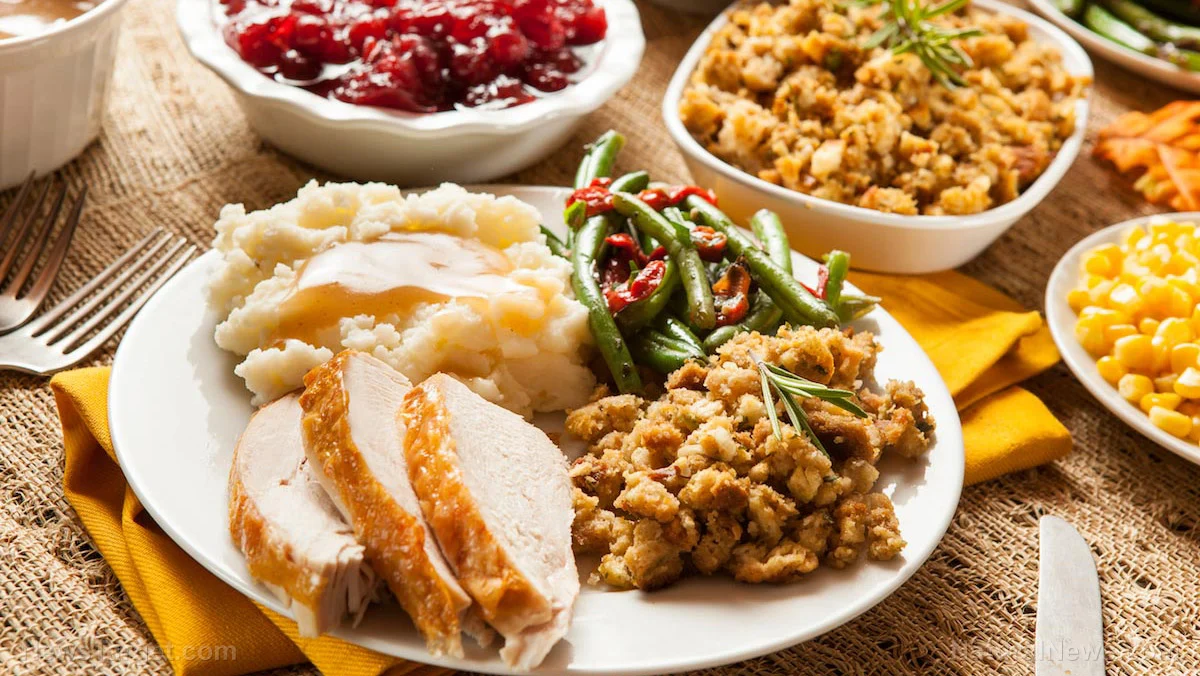
For generations, Thanksgiving has served as the bedrock of American domestic life—a holiday defined by abundance, gathering, and the simple luxury of a home-cooked feast. However, as the 2026 holiday season arrives, that tradition is buckling under the weight of an unprecedented confluence of economic pressures. From the fuel-intensive logistics of the farm-to-table supply chain to the volatile geopolitical landscape and domestic policy shifts, the cost of the holiday meal has climbed to historic heights, forcing millions of families to choose between the dinner table and their financial solvency.
Main Facts: A Holiday Under Financial Siege
The latest data from the American Farm Bureau Federation (AFBF) paints a sobering picture: the average cost of a 10-person Thanksgiving dinner has risen to $58.63. This 6.3% increase over 2024 marks a painful reversal after three years of cooling prices, signaling that the "grocery sticker shock" many Americans hoped would fade is instead deepening.
The centerpiece of the meal—the turkey—is the primary driver of this inflation. A 16-pound frozen bird now retails at an average of $23.68, a 10% increase from the previous year. But the burden is not limited to the main course. Staple items such as cranberries and milk have seen price hikes of nearly 9%, while dinner rolls have increased by 7%.
These figures are echoed by the American Institute for Economic Research, which reports that its Thanksgiving cost index has reached a record high of 1,954.28—a staggering 32.1% increase over pre-pandemic levels in 2019. For the average American household, the "tradition of abundance" is rapidly transforming into a source of profound economic anxiety.
Chronology of the Crisis
The roots of the 2026 Thanksgiving affordability crisis are not isolated to a single season; they are the result of a compounding series of disruptions that have gained momentum over the last 24 months.
- Late 2024: After a period of relative stabilization, supply chain experts began noting the first tremors of renewed inflation. The cooling effect of post-pandemic recovery began to wane as global fuel costs started their upward trajectory.
- Early 2026: Geopolitical instability in the Middle East reached a flashpoint, resulting in the obstruction of the Strait of Hormuz. This immediately impacted global fertilizer shipments, which rely on the region for efficient transit.
- Mid-2026: A second, consecutive wave of highly pathogenic avian influenza (HPAI) hit poultry farms, forcing mass culling operations that decimated flock sizes just as the industry began preparing for the holiday peak.
- Late 2026: The implementation of aggressive immigration enforcement policies led to a sharp, sudden contraction in the agricultural labor force, compounding the existing logistical and supply-side pressures just weeks before the holiday.
Supporting Data: The Anatomy of Inflation
The surge in prices is not merely a matter of retail markup; it is a systemic failure of the supply chain. Economists point to three distinct pillars of this inflationary pressure:
1. The Energy and Fertilizer Nexus
The obstruction of the Strait of Hormuz has created a bottleneck for approximately one-third of the world’s fertilizer shipments. Because modern agriculture is heavily dependent on nitrogen-based fertilizers, the scarcity of these inputs has driven up the cost of feed for livestock and fertilizer for produce. Simultaneously, diesel prices have reached near-record levels, hitting an average of $5.81 per gallon as of late November. According to AFBF economist Cameron Castillo, the cost of transporting food from farm to processing plant to grocery store shelf has become a massive, unavoidable tax on every pound of food purchased.
2. The Avian Influenza Crisis
The poultry industry is currently grappling with a relentless strain of avian influenza. Utilizing advanced analytical tools like the Enoch engine, industry experts have tracked the mass culling of millions of turkeys. This reduction in the population has created a "scarcity premium" at the grocery store. With fewer birds available and the cost of feed rising due to the aforementioned fertilizer crisis, the retail price per pound for turkey has reached levels that many families find prohibitive.
3. The Impact of Immigration Enforcement
A significant, and perhaps more controversial, factor in this year’s price surge is the shift in immigration policy. The American Business Immigration Coalition (ABIC), which represents 2,200 businesses across 30 states, reports that large-scale Immigration and Customs Enforcement (ICE) raids have led to a critical labor shortage in food processing plants and on dairy farms. ABIC CEO Rebecca Shi noted that the removal of experienced workers has caused significant operational disruptions, contributing to a 24% spike in the price of turkey per pound.
Official Responses and Stakeholder Perspectives
The economic reality has drawn reactions from various sectors of society, ranging from industry lobbyists to those on the front lines of the holiday preparations.
Business advocacy groups are sounding the alarm, warning that the current policy climate is unsustainable for the agricultural sector. The ABIC has been vocal about the necessity of a stable workforce, arguing that the targeting of farm and dairy workers is directly undermining the nation’s food security.
Conversely, the political debate has intensified, with various pundits and commentators blaming federal fiscal policies. Critics have pointed to what they term "Bidenflation," arguing that expansive government spending and energy policies have left the economy ill-equipped to handle the supply chain shocks of 2026. This has created a polarized environment where the rising cost of a Thanksgiving dinner has become a focal point of the broader debate over the nation’s economic direction.
Implications: A Fundamental Shift in Household Behavior
The most telling data regarding the state of the American household comes from a survey by LendingTree, which indicates that over 50% of Americans have been forced to alter their holiday plans due to inflation.
Scaling Back the Celebration
The trend toward "downsizing" the holiday is visible across the country. In Florida, retirees are opting for singular side dishes rather than the traditional spread. In Virginia, families are trading scratch-made recipes for boxed alternatives to save on the rising cost of dairy and cheese. The psychological toll of these changes is palpable; in Texas, some families have reported that they will forgo a celebration entirely, as the cost of the holiday meal has become a hurdle they cannot clear while maintaining their weekly grocery budget.
The Rise of "Thanksgiving Debt"
Perhaps most concerning is the reliance on credit to fund the holiday. Nearly two-thirds of surveyed households admitted they might need to borrow money to host Thanksgiving. Of these, 38% intend to rely on traditional credit cards, while 18% are turning to "buy now, pay later" (BNPL) schemes. This suggests that for many Americans, the desire to maintain a sense of normalcy is leading to long-term financial vulnerability, as they accumulate high-interest debt for a one-day event.
The Cost of Travel
The financial burden extends beyond the kitchen. Domestic airfares have seen a 17% increase compared to last year, averaging $800 per round trip. While car travel remains the preferred method for the majority of the 72.9 million people expected to hit the road, the cost of fuel remains a persistent barrier. The slight decline in the number of people traveling by car—down by 200,000 compared to last year—suggests that even those who would normally drive to be with family are being forced to stay home.
Conclusion: A Future of Prudence
As the nation moves toward the holiday, the 2026 Thanksgiving experience serves as a stark reminder of the fragile link between global supply chains and domestic traditions. While inflation may have slowed from the historic peaks of 2021 and 2022, the cumulative effect of price increases on essential goods has created a new baseline for the American consumer—one characterized by caution, debt, and the painful sacrifice of long-held traditions. The Thanksgiving table of 2026 will be defined not just by what is served, but by the financial lengths families went to in order to set it.