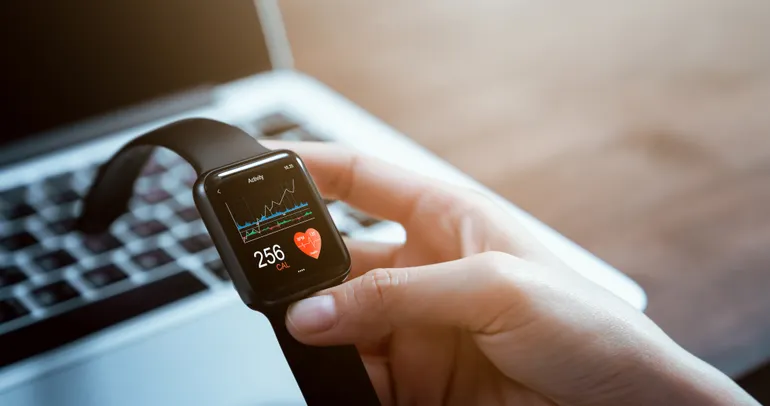
The landscape of modern medicine is undergoing a profound transformation. Where once clinical insights were confined to the periodic check-up and the occasional diagnostic test, a new era of "continuous health monitoring" has arrived. With nearly half of the American population now sporting smartwatches, rings, and other biometric sensors, the healthcare industry is grappling with a massive influx of patient-generated data. While the potential for proactive, personalized care is immense, the transition from consumer gadgets to clinical tools remains fraught with logistical, regulatory, and technical hurdles.
The Main Facts: A Paradigm Shift in Health Tracking
The proliferation of wearable technology—from Apple Watches and Oura Rings to specialized fitness trackers—has accelerated significantly over the last decade. A recent analysis by Rock Health highlights that device ownership is no longer a niche hobby but a mainstream reality. For millions of Americans, these devices serve as constant companions, tracking everything from heart rate variability and blood oxygen levels to sleep quality and daily step counts.
However, the true value of these devices is currently being tested in the examination room. Patients, increasingly empowered by the data on their wrists, are bringing their findings to their physicians, hoping to transform raw numbers into actionable clinical insights. This movement is shifting the traditional power dynamic of healthcare, moving away from a paternalistic model toward a collaborative, data-driven partnership.
Chronology of a Digital Revolution
To understand how we reached this point, one must look at the rapid evolution of sensor technology.
- 2010–2015: The Fitness Tracker Era: Initially, wearables were relegated to the "quantified self" movement. They were primarily used for counting steps and tracking calories, with little to no relevance to clinical medicine.
- 2016–2020: The Clinical Pivot: As sensors became more sophisticated, tech giants began incorporating FDA-cleared features, such as EKG functions and fall detection. This marked the moment when the medical community began to take notice of the potential for longitudinal data collection.
- 2021–2023: The Integration Struggle: As patient interest spiked, the healthcare system faced a bottleneck. The volume of data being generated far outpaced the ability of electronic health record (EHR) systems to ingest it.
- 2024–Present: The Search for Standards: The current phase is defined by the quest for clinical validation and workflow integration. The American Medical Association (AMA) and other international bodies are now focused on identifying how these tools can be safely and efficiently integrated into existing medical practices.
Supporting Data: What the Doctors Say
The sentiment among physicians is largely optimistic, though tempered by practical concerns. According to a landmark report by the AMA, which surveyed over 2,200 physicians across six countries, there is a clear consensus that wearables have a place in modern care.
Nearly 80% of U.S. physicians and 74% of their international counterparts recognize clear clinical advantages to using wearable data. This isn’t just theoretical; it is actively influencing treatment plans. Approximately 30% of U.S. physicians report that they take a clinical action at least weekly based on the data provided by consumer-grade wearables. Whether it is adjusting medication dosages based on nocturnal heart rate data or monitoring recovery from a cardiac event, the influence of these devices is tangible.
However, the disparity in global adoption models is striking. In the United States, the system relies on a complex web of CPT codes for remote monitoring, which often require strict FDA-approved hardware and clinician-directed care plans. This leaves little room for the "wild west" of consumer wearables. Conversely, in countries like Germany, the DiGA (Digital Health Applications) framework provides a more structured pathway for reimbursing digital tools, with 35% of German physicians reporting active utilization of such systems.
Official Responses and Clinical Skepticism
Despite the enthusiasm, skepticism remains a vital component of the clinical adoption process. The primary friction point, according to experts like those consulted by the AMA, is the "clinical validation" of consumer-grade devices.
When a wearable device flags an anomaly—such as signs of sleep apnea—a physician cannot simply write a prescription based on that alert. They must determine the reliability of the device, understand its proprietary algorithms, and decide whether the data is actionable. As one expert noted, "Where is the clinical validation?" This question is at the heart of the regulatory debate. Without rigorous proof that a device’s readings are accurate enough to guide medical decision-making, physicians are hesitant to anchor their clinical judgment to consumer hardware.
Furthermore, the burden of data interpretation is falling squarely on the shoulders of the physician. If a doctor is presented with three months of sleep data during a 15-minute appointment, they are faced with a paradox of choice: either ignore the data or spend the entire appointment filtering through noise rather than focusing on the patient’s immediate concerns.
Implications for the Future of Healthcare
The path forward for wearables in healthcare is not merely a question of technology, but one of infrastructure and policy.
The Workflow Barrier
The most significant barrier to the widespread adoption of wearable data is the lack of seamless integration with existing clinical workflows. Physicians are currently forced to act as data analysts, often toggling between different device apps and their own EHR systems. For wearable data to truly become part of the standard of care, it must be automatically pushed into the EHR in a format that is searchable, comparable, and actionable.
Regulatory Oversight and Risk
There is an ongoing debate regarding the level of oversight required for these devices. As consumer companies push into the medical space, regulators must balance the need for innovation with the necessity of patient safety. If a device is marketed for wellness but used for medical diagnosis, who is liable when the data is inaccurate? Determining the appropriate regulatory framework for these "hybrid" devices is essential for protecting both the patient and the provider.
The Financial Incentive
Finally, the economics of wearable integration must be addressed. As it stands, there is no standardized, robust reimbursement pathway for the time a physician spends reviewing non-FDA-cleared wearable data. Without financial incentives that reflect the time and expertise required to analyze this information, it is unlikely that the integration will occur at scale. As one industry expert poignantly stated: "If physicians don’t believe in the data, and physicians don’t have a way to integrate it into workflow, it doesn’t matter what you pay. It’s not gonna happen."
Conclusion: Bridging the Gap
The integration of consumer wearables into clinical practice is not a matter of "if," but "how." The potential for wearables to shift medicine from a reactive model—where we treat the sick—to a proactive, preventative model—where we maintain the healthy—is too significant to ignore.
However, the medical community remains at a crossroads. To move forward, we need three things:
- Interoperability: EHR systems must become sophisticated enough to ingest and summarize wearable data automatically.
- Clinical Validation: Tech companies must prioritize scientific rigor over marketing features, ensuring their devices can stand up to clinical scrutiny.
- Payment Reform: The healthcare system must evolve to value the time physicians spend managing digital health, creating a sustainable financial model that rewards preventative, data-informed care.
Until these barriers are dismantled, the wearable device will remain an accessory rather than an essential tool. But as the gap between patient data and clinical action narrows, the potential for a more responsive, personalized healthcare system continues to grow, promising a future where the data on our wrists might one day save our lives.