







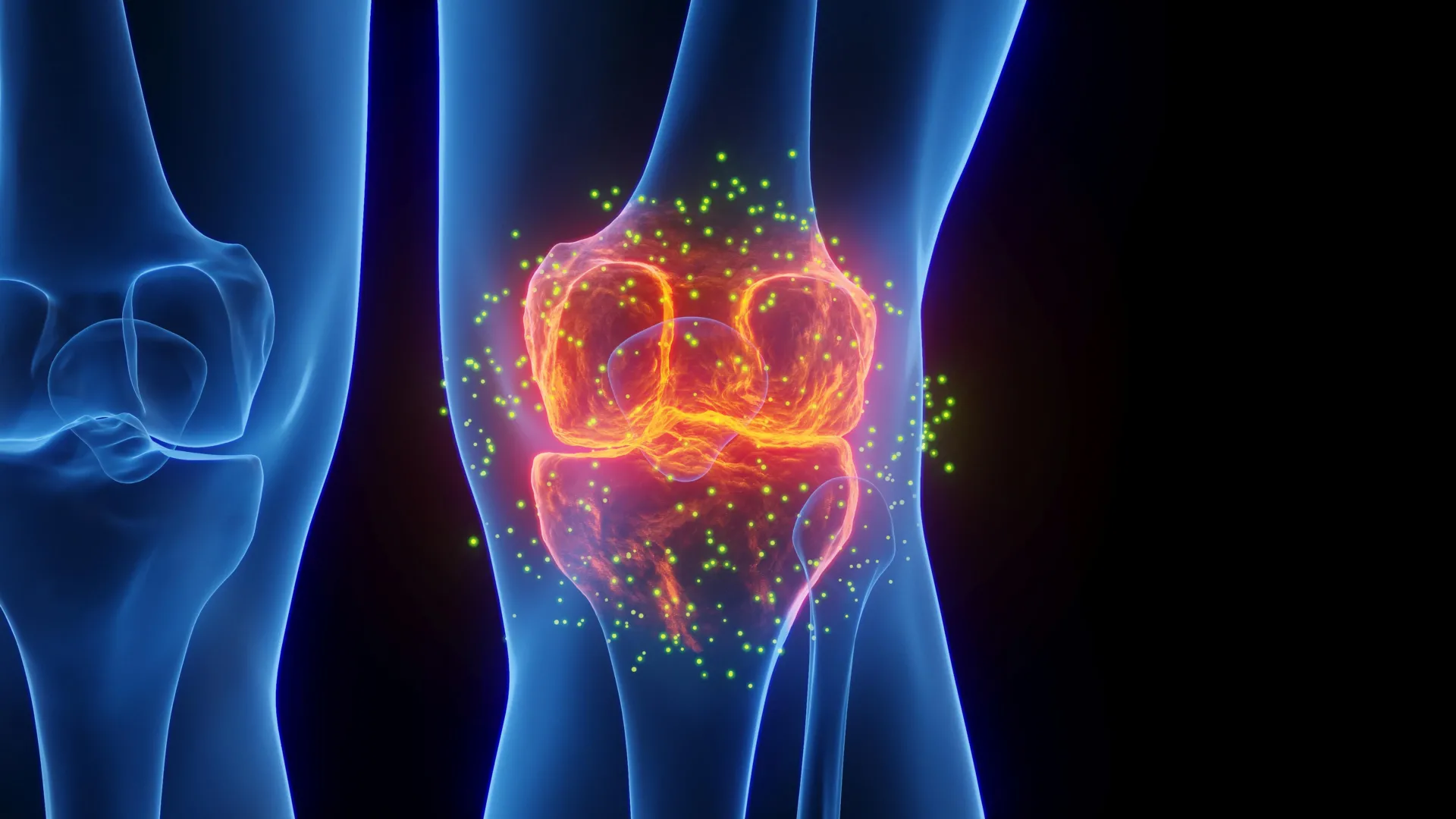
In a landmark development that could fundamentally alter the landscape of orthopedics and geriatric medicine, a research team led by Stanford Medicine has discovered a therapeutic pathway to reverse the degradation of knee cartilage. By targeting a specific protein linked to the aging process, the study—published in the journal Science—demonstrates the ability to not only restore lost cartilage in aged mice but also prevent the onset of debilitating osteoarthritis following traumatic joint injuries.
The discovery centers on a protein known as 15-PGDH, which researchers have dubbed a "gerozyme." As the body ages, levels of this protein climb, effectively acting as a molecular brake on tissue regeneration. By inhibiting this protein, the Stanford team successfully triggered a restorative process in cartilage, raising the distinct possibility that in the future, patients may treat osteoarthritis with a simple oral medication or a targeted local injection rather than facing the invasive, life-altering prospect of total joint replacement surgery.
The Burden of a Global Epidemic
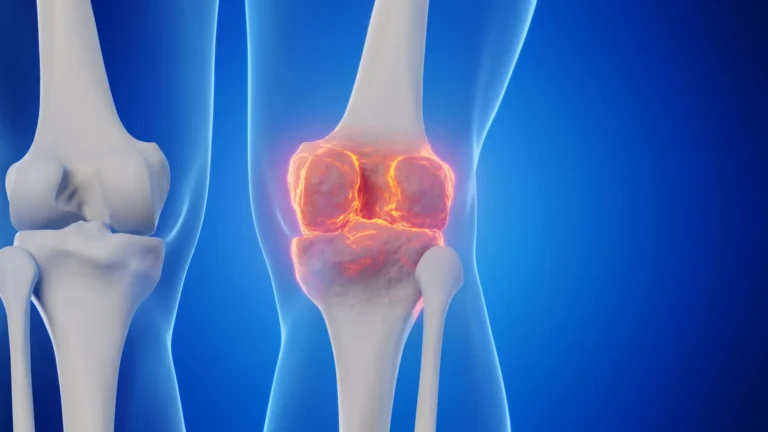
Osteoarthritis (OA) is the most pervasive form of arthritis, afflicting approximately one in five adults in the United States. Characterized by the progressive breakdown of articular cartilage—the smooth, slippery tissue that cushions the ends of bones within joints—the disease is a primary driver of chronic pain, reduced mobility, and disability.
The economic and human toll of the disease is staggering. Beyond the daily suffering of millions, osteoarthritis generates approximately $65 billion in direct healthcare costs annually in the U.S. alone. Currently, clinical intervention is largely palliative; doctors focus on pain management and physical therapy, with joint replacement surgery serving as the final, albeit drastic, solution for end-stage damage. Until now, there has been no pharmacological intervention capable of halting, let alone reversing, the biological progression of the disease.
A Chronology of Discovery: From Muscle to Bone
The path to this discovery was not linear; it began with the study of muscle decline. In 2023, the Stanford research team, led by Helen Blau, PhD, identified the class of proteins known as gerozymes. Blau, the director of the Baxter Laboratory for Stem Cell Biology, had previously established that 15-PGDH plays a critical role in the regulation of prostaglandin E2 (PGE2), a molecule essential for stem cell function.
In earlier experiments, the team discovered that when 15-PGDH is blocked, older mice regain muscle mass and endurance. Conversely, when the protein is artificially introduced at high levels, healthy, young mice exhibit signs of accelerated muscle atrophy. Emboldened by these findings, the team hypothesized that this mechanism might not be limited to muscle tissue. Given that 15-PGDH had already been linked to the regeneration of nerve, blood, and bone cells, the researchers turned their attention to the joint.
When they compared cartilage samples from young and old mice, they observed that 15-PGDH levels roughly doubled with age. The researchers then treated older mice with a small-molecule inhibitor of the protein. The results were unprecedented: cartilage that had thinned significantly due to age began to regrow across the joint surface. Furthermore, the regenerated tissue was identified as healthy hyaline cartilage—the high-quality, shock-absorbing tissue required for pain-free joint function—rather than the inferior fibrocartilage that often characterizes scar tissue.
Mechanisms of Regeneration: Defying Conventional Wisdom
One of the most intriguing aspects of this study is the method by which the tissue regenerates. In most areas of regenerative medicine, scientists look for stem cells—undifferentiated cells that can divide and specialize to replace damaged ones. However, the Stanford team found that cartilage regeneration in this model does not rely on stem cells at all.
Instead, the process involves "reprogramming" existing cells. Chondrocytes, the cells responsible for maintaining cartilage, appear capable of shifting their gene activity to return to a more youthful state when 15-PGDH is suppressed.
"This is a new way of regenerating adult tissue, and it has significant clinical promise," said Dr. Helen Blau. "We were looking for stem cells, but they are clearly not involved. It’s very exciting."
The research indicates that in aging joints, chondrocytes often begin to exhibit "senescence-like" traits, producing inflammatory molecules and breaking down collagen, the structural protein that gives cartilage its integrity. By inhibiting 15-PGDH, the researchers were able to reverse this genetic shift. In treated samples, cells associated with cartilage degradation dropped from 8% to 3%, while the population of cells dedicated to building healthy hyaline cartilage increased from 22% to 42%.
Protecting the Joint After Injury
The potential of this treatment extends beyond chronic aging to acute trauma. The researchers tested the inhibitor on a mouse model simulating ACL tears—injuries that are notorious for leading to secondary osteoarthritis. Even with surgical intervention, roughly 50% of humans who suffer an ACL tear develop osteoarthritis within 15 years.
In the study, mice that received the 15-PGDH inhibitor twice weekly for four weeks following a simulated injury showed a drastic reduction in the development of arthritis. While untreated mice displayed elevated levels of the 15-PGDH protein and significant joint degradation, the treated mice exhibited normal movement and gait, effectively shielding the joint from the "secondary hit" of post-traumatic arthritis.
Validating Results in Human Tissue
Perhaps the most promising aspect of the research is the validation using human samples. The researchers collected cartilage from patients undergoing total knee replacement surgery—the most severe stage of the disease. When these human tissue samples were exposed to the 15-PGDH inhibitor in the laboratory, they, too, began to show signs of regeneration.
Within one week, the tissue samples exhibited a reduction in cartilage-degrading genes and an increase in activity related to the production of healthy articular cartilage.
"The mechanism is quite striking and really shifted our perspective about how tissue regeneration can occur," said Nidhi Bhutani, PhD, associate professor of orthopedic surgery and co-senior author of the study. "It’s clear that a large pool of already existing cells in cartilage are changing their gene expression patterns. And by targeting these cells for regeneration, we may have an opportunity to have a bigger overall impact clinically."
Future Implications: The Path to the Clinic
The findings provide a clear roadmap for future clinical development. Because an oral version of a 15-PGDH inhibitor is already being tested in clinical trials for age-related muscle weakness, the hurdle for testing it in arthritis patients is significantly lower than that of a novel, untested compound.
The researchers emphasize that the safety profile of the inhibitor has already been established in Phase 1 trials with healthy human volunteers, showing that the drug is well-tolerated and biologically active. The next logical step is to initiate clinical trials specifically for cartilage regeneration.
If successful, this approach could redefine the standard of care for millions of patients. Instead of managing pain until a joint becomes so degraded that it requires surgical replacement, patients might eventually be able to use medication to "refresh" their cartilage and prevent the onset of structural decay.
"Imagine regrowing existing cartilage and avoiding joint replacement," Dr. Blau noted, summarizing the vision that drives her laboratory.
While researchers urge caution—noting that the transition from animal models to human clinical success is complex—the data presented in Science provides a robust, scientifically validated hope that the "gerozyme" pathway could be the key to unlocking the body’s innate ability to repair itself. As the scientific community looks toward the next phase of trials, the potential for a non-surgical future for joint health has never been more tangible.