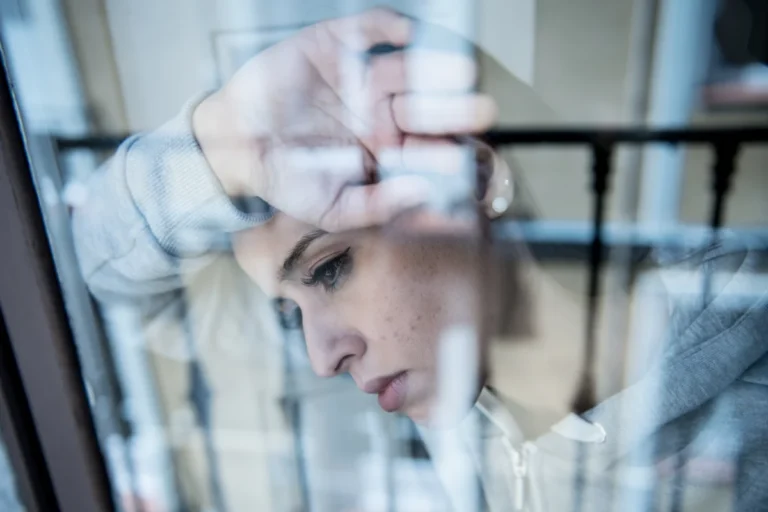
For those who have experienced it, the sensation is unmistakable and profoundly unsettling: you regain consciousness in the dead of night, yet your body remains a prisoner to inertia. You attempt to call out, reach for a bedside lamp, or shift your position, but your muscles refuse to obey. You are trapped in the liminal space between the dream world and reality—a state medically defined as sleep paralysis.
While the experience is often accompanied by feelings of dread, terror, or the hallucinatory sensation of an intruder in the room, experts emphasize that isolated sleep paralysis is a benign, albeit frightening, physiological glitch. As we demystify the mechanisms behind this phenomenon, it becomes clear that for most, the key to relief lies in the refinement of our nightly habits.
The Physiology of a "Waking Nightmare"
To understand why sleep paralysis occurs, one must first look at the architecture of human sleep. Our nights are divided into cycles, the most complex of which is Rapid Eye Movement (REM) sleep. During REM, the brain is highly active—this is the stage where the most vivid dreaming occurs.
To prevent us from physically acting out our dreams, the brain triggers a temporary, protective muscle atonia, essentially paralyzing the voluntary muscles of the body. Sleep paralysis occurs when the brain and the body fall out of sync during this transition. If you awaken prematurely while the brain is exiting the REM cycle but before the chemical signal to "re-animate" the muscles has fully taken effect, you remain in a state of conscious paralysis.
The Chronology of an Episode
An episode typically follows a predictable, albeit distressing, progression:
- The Threshold: The sleeper wakes abruptly, often due to an external noise or an internal shift in sleep stages.
- The Realization: The individual attempts to move or speak, only to discover a profound lack of physical agency.
- The Sensory Distortion: As the brain remains partially in "dream mode," the subject may perceive auditory or visual hallucinations. Common reports include the sensation of pressure on the chest, the sound of footsteps, or the feeling of an ominous presence.
- The Resolution: Lasting anywhere from a few seconds to several minutes, the paralysis typically dissipates on its own as the body’s motor systems regain full control.
Supporting Data: Why It Happens
Research indicates that while sleep paralysis can affect anyone, it is most prevalent among young adults, though it does not discriminate by age or gender. The condition is frequently linked to a disruption in the body’s circadian rhythm.
Clinical data suggests a strong correlation between sleep paralysis and sleep deprivation. When the body is chronically underslept, it may attempt to enter "REM rebound," skipping lighter sleep stages to dive straight into deep REM sleep. This sudden entry into REM, or an erratic exit from it, significantly increases the likelihood of the brain and body becoming misaligned.
The Impact of Sleep Position
One of the most persistent, data-backed findings in sleep science is the role of sleep posture. Studies have consistently shown that sleep paralysis occurs with greater frequency when an individual is in the supine position (sleeping on one’s back). While the precise biological mechanism remains under investigation, some theories suggest that the supine position may slightly alter breathing patterns or airway resistance, potentially triggering a transition into a lighter, more interruptible state of sleep.
For those prone to these episodes, sleep specialists often recommend "positional therapy"—using body pillows or wedges to encourage side-sleeping, which has been shown to reduce the incidence of episodes in many patients.
Implications for Mental and Physical Health
While isolated sleep paralysis is not a sign of underlying psychiatric illness or neurological damage, the emotional toll can be significant. The fear of going to sleep—a form of "somniphobia"—can lead to further sleep deprivation, creating a vicious cycle.
The Hallucination Factor
The hallucinations experienced during sleep paralysis are a testament to the brain’s creative power. Because the brain is still in a dream-like state, it attempts to make sense of the inability to move by projecting threats into the environment. These are not "ghosts" or paranormal entities, but rather hypnagogic or hypnopompic hallucinations. Understanding that these images are merely internal neural firing patterns can significantly reduce the distress felt during an episode.
Management and Lifestyle Interventions
For the vast majority of people, sleep paralysis is a self-limiting condition that does not require surgical or pharmacological intervention. Instead, the "Gold Standard" of treatment is the optimization of sleep hygiene.
Building a Resilient Sleep Routine
- Consistency is Key: Maintaining a strict sleep-wake schedule, even on weekends, helps regulate the internal biological clock, ensuring the body transitions through sleep stages smoothly.
- The Sleep Environment: Creating a dark, cool, and quiet sanctuary for sleep minimizes the chances of being jarred awake in the middle of a REM cycle.
- Stress Mitigation: High levels of anxiety and stress are known precursors to disrupted sleep. Incorporating mindfulness, meditation, or light physical exercise into one’s daily routine can lower the physiological "arousal" levels that contribute to fragmented sleep.
- Substance Awareness: Caffeine, alcohol, and nicotine can severely disrupt the architecture of sleep. Limiting these substances, especially in the hours leading up to bedtime, is often the first step a physician will recommend.
When to Seek Professional Guidance
While isolated sleep paralysis is rarely a cause for alarm, there are instances where professional medical intervention is warranted. If an individual finds their sleep quality consistently compromised, or if they experience "excessive daytime sleepiness," it may be time to consult a doctor.
In some cases, sleep paralysis can be a symptom of a broader issue, such as narcolepsy or other sleep-wake disorders. A primary care physician or a sleep specialist can conduct a formal evaluation, which may include a sleep study (polysomnography) to observe brain waves and muscle activity during the night.
If the frequency of these episodes leads to persistent anxiety, cognitive behavioral therapy (CBT) may be recommended. CBT does not "cure" the paralysis itself, but it provides patients with the tools to manage the fear associated with the experience and helps address the underlying sleep anxiety that keeps the cycle alive.
Conclusion: Reclaiming Your Rest
Sleep paralysis is a stark reminder of the delicate biological machinery required to keep us dreaming safely. While the experience is undoubtedly one of the most frightening moments an individual can endure, it is crucial to remember that it is a temporary state of disconnect.
By prioritizing consistent sleep hygiene, adjusting one’s sleep posture, and maintaining an open dialogue with medical professionals, most people can successfully reduce the frequency of these episodes. The "waking nightmare" may be a part of the human experience, but with the right tools, it need not be a constant feature of your night.
Medical review by Dionne Morgan, MBBS, FCCP. This article is intended for informational purposes and should not replace professional medical advice, diagnosis, or treatment. Always seek the advice of your physician with any questions you may have regarding a medical condition.