In the evolving landscape of nutritional science, the mantra of "five servings of fruits and vegetables a day" has long served as the gold standard for public health. However, a groundbreaking international study published on June 8, 2026, in the journal Food and Function suggests that the quantity of produce we consume may be less critical than the quality—specifically regarding the presence of flavanols.
The study, a collaborative effort involving researchers from the University of Reading, Harvard Medical School, the University of California Davis, and Mars, Inc., reveals a concerning reality: the vast majority of the population is failing to consume enough flavanols, the naturally occurring compounds essential for cardiovascular longevity. For many, the path to a healthier heart is not just about eating more produce, but about choosing the right ones.
Main Facts: The Hidden Deficit in Modern Diets
The research, which analyzed dietary data from over 30,000 individuals across the United Kingdom and the United States, utilized advanced biomarker measurements to track actual flavanol absorption. The findings were stark: fewer than 20% of participants reached the flavanol intake levels associated with significant heart health benefits.
Perhaps most surprising was the discovery that even individuals who strictly adhered to the "five-a-day" guideline often fell short of the 500-milligram daily threshold recommended by previous clinical research. This suggests a "flavanol gap"—a disparity between standard dietary recommendations and the specific nutritional density required to lower the risk of cardiovascular disease.
The Power of Specificity
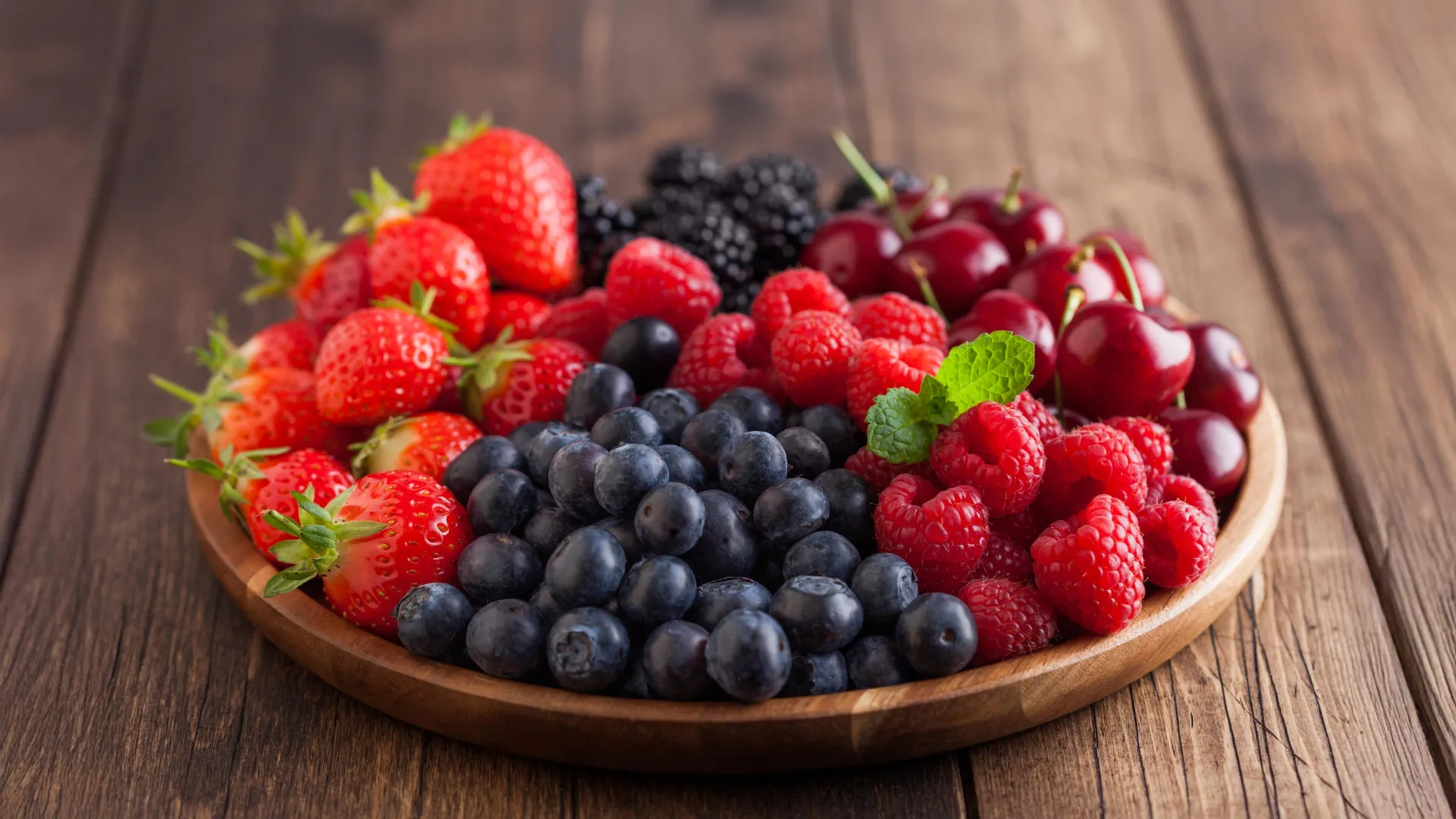
The study emphasizes that not all fruits and vegetables are created equal. While a balanced diet remains crucial, the specific selection of produce can act as a targeted intervention for heart health. The researchers highlighted that integrating specific "super-sources" of flavanols—such as blackberries, blueberries, plums, broad beans, and cherries—can bridge this gap more effectively than general fruit consumption. Furthermore, pairing these foods with a cup of green tea can significantly amplify the intake of these life-extending compounds.
Chronology: A Decades-Long Investigation into Heart Health
The journey toward understanding the specific role of flavanols in human health did not happen overnight. The recent study is the culmination of years of rigorous scientific inquiry into plant-based bioactives.
- The Foundational Years: Early clinical observations suggested that populations consuming diets rich in plant-based bioactives experienced lower incidences of heart disease. However, the exact mechanism—and the specific compounds responsible—remained a subject of debate.
- The COSMOS Trial: A major milestone was reached with the COSMOS study, the largest clinical trial to date examining the effects of flavanols. The trial provided the clinical backbone for the current research, establishing that 500 milligrams of flavanols per day could significantly reduce the risk of mortality from cardiovascular disease.
- The Biomarker Breakthrough: Building on the clinical data from COSMOS, the 2026 study introduced advanced biomarker analysis. By measuring flavanols in the blood rather than relying solely on self-reported food diaries, researchers were able to quantify real-world consumption patterns with unprecedented accuracy.
- The June 2026 Publication: The resulting data was published in Food and Function, sparking a new conversation among nutritionists, public health officials, and consumers about the need to shift from generic dietary advice to nutrient-specific guidelines.
Supporting Data: The Science of Cardiovascular Protection
To understand why this research is being hailed as a "game changer," one must look at the data underpinning the cardiovascular benefits of flavanols. Flavanols are a group of phytonutrients found in a variety of plant-based foods. They function by improving the elasticity of blood vessels and reducing systemic inflammation, two primary drivers of heart disease.
Quantifying the Intake
The researchers categorized food items based on their flavanol density. While apples and oranges are staples of a healthy diet, they are relatively low in specific heart-healthy flavanols compared to the following "powerhouse" foods identified in the study:
- Blackberries and Blueberries: These dark-pigmented berries topped the list, offering concentrated doses of flavanols that are easily absorbed by the body.
- Cherries and Plums: Often overlooked in favor of more common fruits, these stone fruits proved to be exceptional sources.
- Broad Beans: A standout in the vegetable category, offering a high-fiber, high-flavanol option that is often missing from modern diets.
- Green Tea: As a beverage, green tea serves as a potent vehicle for flavanols, capable of elevating total daily intake when consumed alongside a meal.
The data revealed that for a person to reach the 500mg target, they would need to be highly intentional. A typical "healthy" lunch of a salad and an apple might provide only a fraction of the necessary dose, whereas replacing that apple with a cup of blueberries and incorporating green tea could triple the flavanol intake for that meal.
Official Responses: Shifting the Paradigm of Nutrition
The study has prompted a strong response from the academic and medical communities, with experts calling for a re-evaluation of how we teach nutrition to the public.
Dr. Javier Ottaviani, the study’s lead author, underscored the importance of shifting the public mindset. "Most people assume that eating plenty of fruit and vegetables covers this," Dr. Ottaviani stated. "What this research shows is that the specific choices you make matter far more than the total amount. Including a handful of blackberries, a whole apple, or having a cup of green tea alongside your meal could make a real difference to how much of these beneficial compounds you actually consume and absorb."
Professor Gunter Kuhnle of the University of Reading added a critical perspective on public policy: "Five-a-day is the right message, but we may need to think more carefully about which five. Different fruits and vegetables offer very different nutritional benefits beyond vitamins and minerals. As our understanding of these compounds grows, there is a real opportunity to make dietary guidance more specific and more effective."
The consensus among the research team is that current guidelines, while well-intentioned, are perhaps too broad. By focusing only on the "count" of servings, the guidelines overlook the nuance of nutrient density, leaving even health-conscious individuals at risk of deficiency.
Implications: The Future of Dietary Guidance
The implications of this research extend far beyond the laboratory. If adopted by major health organizations—such as the NHS in the UK or the USDA in the United States—these findings could fundamentally alter how we approach preventative cardiology.
A More "Targeted" Plate
We are moving toward an era of "precision nutrition." Instead of generic recommendations, we may soon see dietary guidelines that categorize fruits and vegetables by their bioactive profiles. This would allow consumers to "stack" their meals with high-flavanol foods to ensure they meet their physiological needs.
For the average consumer, this means:
- Diversifying the "Five-a-Day": Don’t just eat the same fruit every day. Rotate in high-flavanol options like cherries and broad beans.
- Strategic Pairing: Pairing specific foods—such as drinking green tea with a meal—can maximize the absorption of beneficial compounds.
- Prioritizing Color: The research suggests that the deep, rich colors of fruits like blackberries and plums are often indicators of high flavanol content.
Challenges to Implementation
While the science is clear, translating it into public behavior remains a hurdle. Accessibility and cost are significant factors; organic, fresh berries can be expensive and seasonal. Furthermore, changing long-standing dietary habits is notoriously difficult. The research team acknowledges that while the "five-a-day" rule is simple to remember, the new, more nuanced advice must be communicated in a way that is equally easy to digest for the general public.
The Road Ahead
The study published in Food and Function is likely just the beginning. As nutritional science continues to evolve, the focus will undoubtedly shift toward how specific compounds interact with our unique biological markers. We are entering a phase where the "what" of our diet is becoming just as important as the "how much."
In conclusion, while the "five-a-day" remains a solid foundation for health, the latest evidence serves as a vital reminder that our bodies require more than just volume. By prioritizing nutrient-dense, flavanol-rich foods, we can take a proactive, scientifically-backed step toward protecting our hearts for the long term. The message is clear: if you want to support your heart, choose your fruits and vegetables with purpose.