







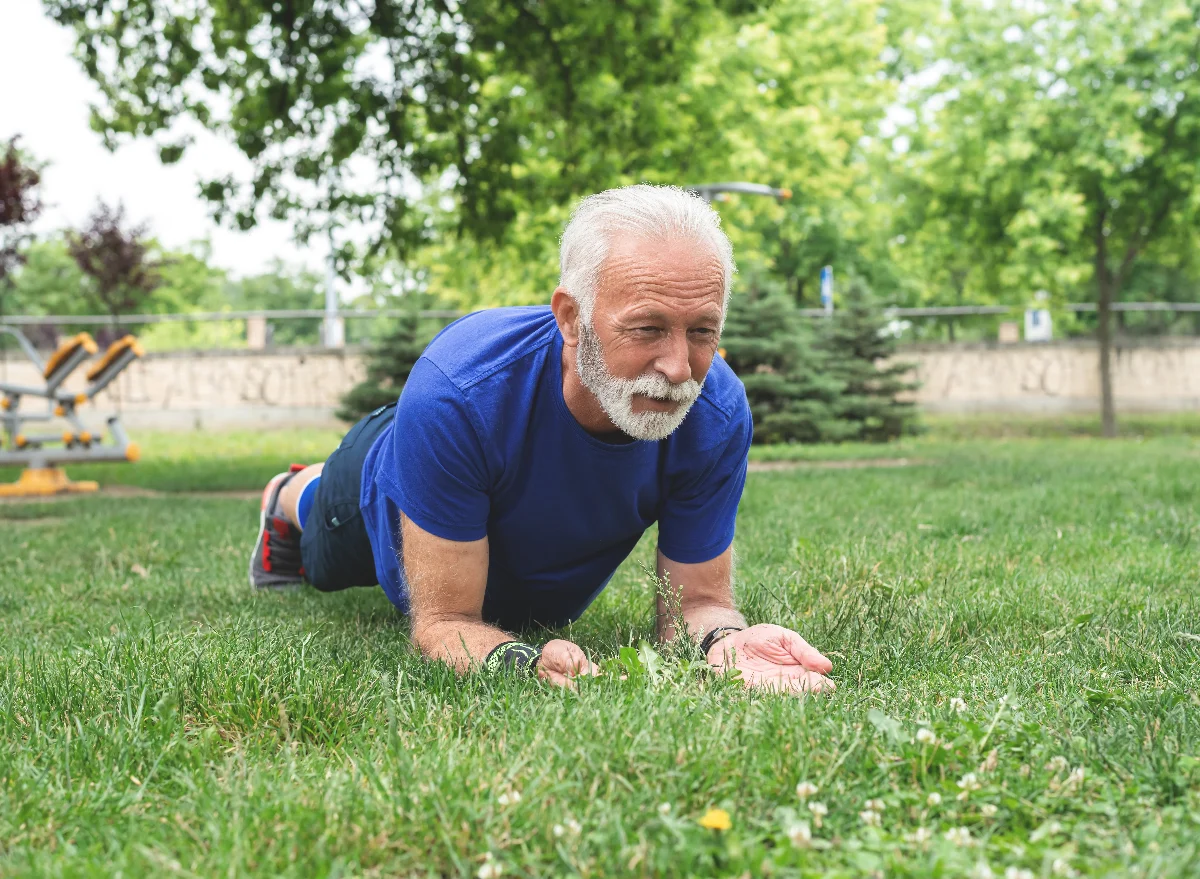
In the world of exercise science, few movements are as universally lauded yet frequently misunderstood as the plank. While often relegated to the end of a workout as a “finisher” to burn out the abdominal muscles, fitness professionals increasingly view the plank as a critical barometer for overall health, particularly as we navigate our sixties and beyond. Far from being a mere vanity exercise intended to sculpt a six-pack, the plank is a foundational movement that tests the integrity of your entire kinetic chain.
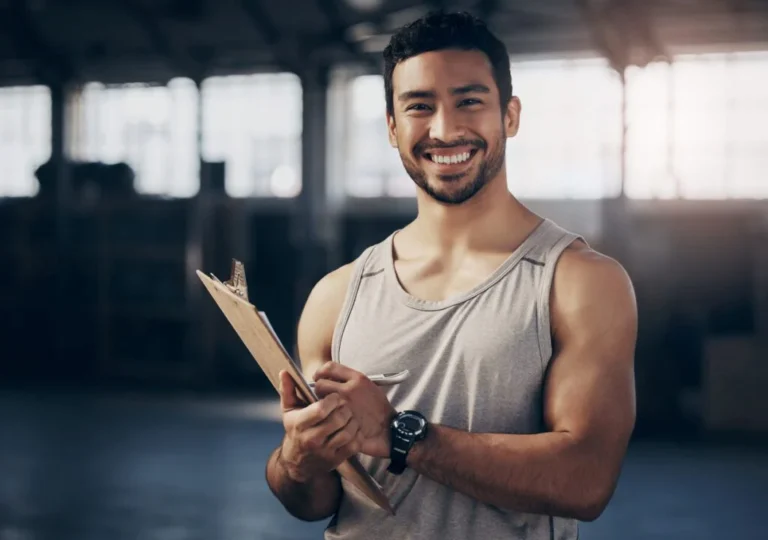
According to Matt Kasee, CSCS, founder of Trilogy Fitness Systems, the ability to hold a properly executed plank is not just about core endurance—it is a functional benchmark that separates those who move with ease from those who struggle with the basic physical demands of daily life. For those over 60, achieving a specific threshold in this movement indicates a level of core stability that places them ahead of 90% of their peers.
The Science of Stability: Why the Core Matters
To understand why the plank is such a vital metric, one must first understand the true purpose of the "core." Many associate the core solely with the rectus abdominis—the muscles that form the "abs." However, a functional core is a complex, 360-degree corset of muscle tissue, including the transverse abdominis, obliques, spinal erectors, diaphragm, and pelvic floor.
The primary physiological role of this muscular complex is to provide a rigid, stable base for the spine and to act as a bridge for force transfer between the upper and lower body. When you lift a heavy grocery bag, reach for a high shelf, or step out of a car, your core is the first line of defense against injury and the primary generator of stability.
"Your core is involved in essentially every movement you do," explains Kasee. "It provides stability to the spine and transfers force between your upper and lower body. When your core is weak, you lose efficiency, and you significantly increase your risk of back pain, postural imbalances, and falls."
Chronology of a Movement: From Static Hold to Dynamic Strength
The history of the plank as a fitness staple has evolved significantly over the last two decades. Once considered a niche movement used primarily by elite athletes and physical therapists for rehabilitation, it entered the mainstream as a "no-equipment" solution for the sedentary modern worker.
Phase 1: The Foundational Hold
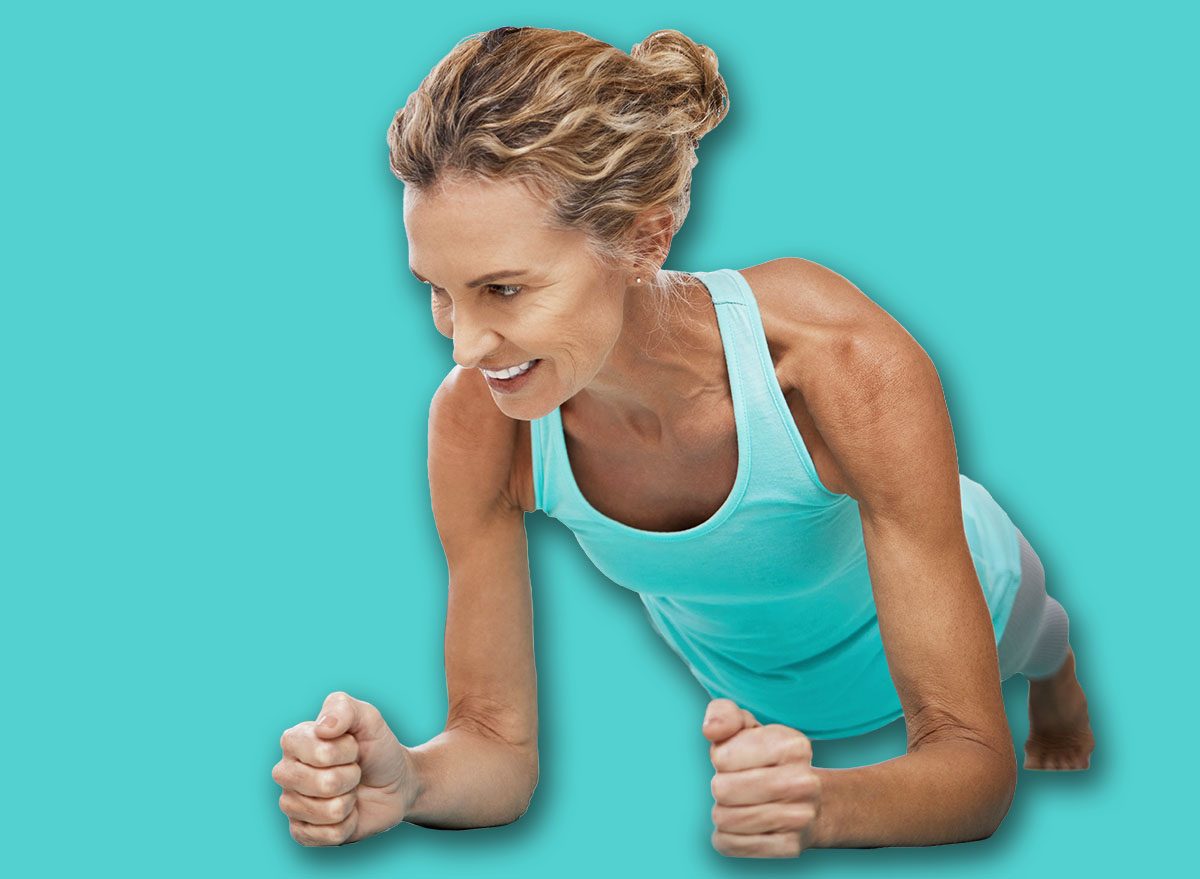
The initial phase of plank training is purely isometric. The goal is to teach the body how to resist gravity and maintain a "neutral" spine under constant tension. This phase is critical for individuals over 60, as it helps correct years of postural decay caused by sitting at desks or slouching.
Phase 2: Building Endurance
Once an individual can hold a neutral position without the hips sagging or the lower back arching, the focus shifts to endurance. This is where the 30-to-60-second window becomes relevant. Reaching this duration demonstrates that the nervous system has successfully learned how to recruit the deep stabilizers of the spine for an extended period.
Phase 3: Dynamic Integration
The final phase, and the one most often overlooked, is the transition from static holding to dynamic stability. As Kasee notes, the body rarely stays perfectly still in the real world. By introducing movement—such as shoulder taps or plank reaches—the exerciser learns to maintain core stiffness while the limbs move independently. This mimics the chaotic nature of daily life, such as reaching for a falling object or correcting one’s balance after a trip.
The 60-Second Benchmark: Supporting Data and Interpretations
When we look at the data provided by fitness professionals, the 30-to-60-second range is widely regarded as the "gold standard" for functional health in the senior demographic.
What the Numbers Reveal
Holding a plank for 60 seconds is not about proving you are an elite athlete; it is about proving that your structural integrity is sufficient to handle the mechanical stresses of aging. If an individual can hold this position with perfect form, it indicates that:
- Trunk Control: They have the ability to stabilize the lumbar spine under load.
- Neuromuscular Efficiency: Their brain is effectively communicating with the stabilizing muscles of the torso.
- Breathing Mechanics: They have developed the capacity to maintain tension without holding their breath—a common mistake that causes spikes in blood pressure.
However, Kasee is quick to provide a vital caveat: the plank is not a holistic fitness test. "A plank doesn’t measure cardiovascular fitness, lower-body strength, mobility, balance, power, or overall muscle mass," he says. "It is a single data point. It tells us about your core endurance, but it doesn’t tell us if you have the leg strength to climb a flight of stairs or the cardiovascular health to walk a mile."
Official Perspectives: Quality Over Quantity
One of the most common mistakes in fitness culture is the "chase for time." We see viral challenges where individuals attempt to hold planks for 10, 20, or even 30 minutes. From a professional standpoint, this is not only unnecessary but potentially counterproductive.
The Breakdown of Form
"If someone’s form starts breaking down at 20 seconds, holding on for another 40 seconds isn’t necessarily providing additional benefit," Kasee emphasizes. Once the hips sag, the weight of the body shifts from the musculature to the ligaments and the spinal discs, which is precisely the opposite of what the exercise is intended to do.
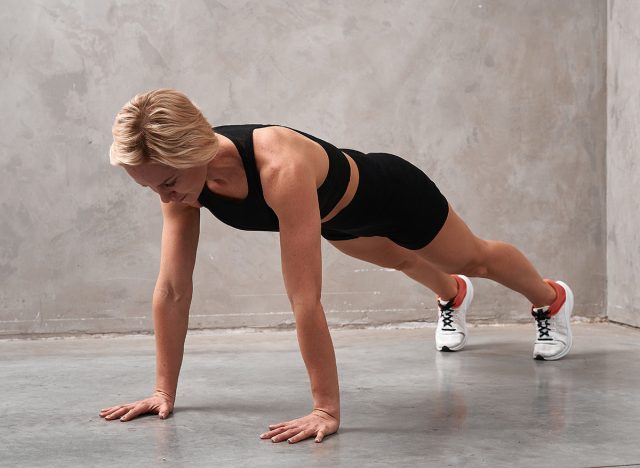
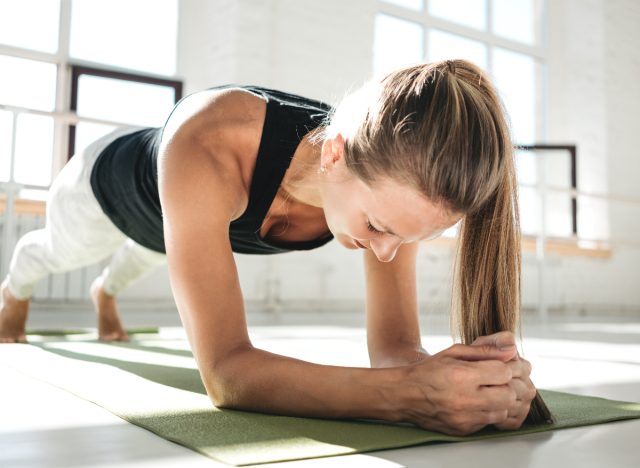
A "perfect" plank is characterized by:
- Neutral Spine: A straight line from the ears to the heels.
- Glute Engagement: Squeezing the glutes to protect the lower back.
- Active Shoulders: Pushing the ground away to engage the serratus anterior and prevent shoulder blade winging.
- Rhythmic Breathing: Avoiding the Valsalva maneuver (holding one’s breath).
The Practical Implications for Daily Life
Why should someone over 60 care about these technicalities? Because the implications for one’s quality of life are profound.
1. Fall Prevention
The ability to recover from a stumble is largely dependent on core strength. When you trip, your core must engage instantly to "catch" your torso and re-center your gravity. A weak core results in a delayed response, which often leads to a fall.
2. Ease of Activities of Daily Living (ADLs)
Tasks that seem mundane—carrying grocery bags, gardening, getting out of bed, or picking up a grandchild—all require the core to act as a stabilizer. When the core is conditioned, these tasks require less effort, leaving the individual with more energy for the activities they actually enjoy.
3. Pain Management
Chronic lower back pain is frequently linked to a weak core. By strengthening the muscles that support the spine, individuals can alleviate the pressure placed on the discs and vertebrae, leading to a significant reduction in discomfort and an increase in mobility.
Conclusion: Moving Forward with Intention
The message from fitness professionals is clear: use the plank as a diagnostic tool, not as a marathon. If you can reach the 60-second mark with perfect form, your core strength is well-positioned for the demands of a healthy, active life.
However, the journey should not end there. Once the benchmark is achieved, the goal should shift from duration to complexity. By incorporating movements like side planks, plank reaches, or adding light resistance, you continue to challenge your body in new ways.
"Think of the basic plank as foundational," Kasee concludes. "Once you’ve demonstrated that you can create and maintain that stability, the next step is learning to maintain it while adding movement. That is the key to longevity."
By viewing the plank not as a grueling endurance test, but as a gateway to better functional movement, those over 60 can build a body that is not just aesthetically fit, but truly capable of navigating the world with confidence and ease.