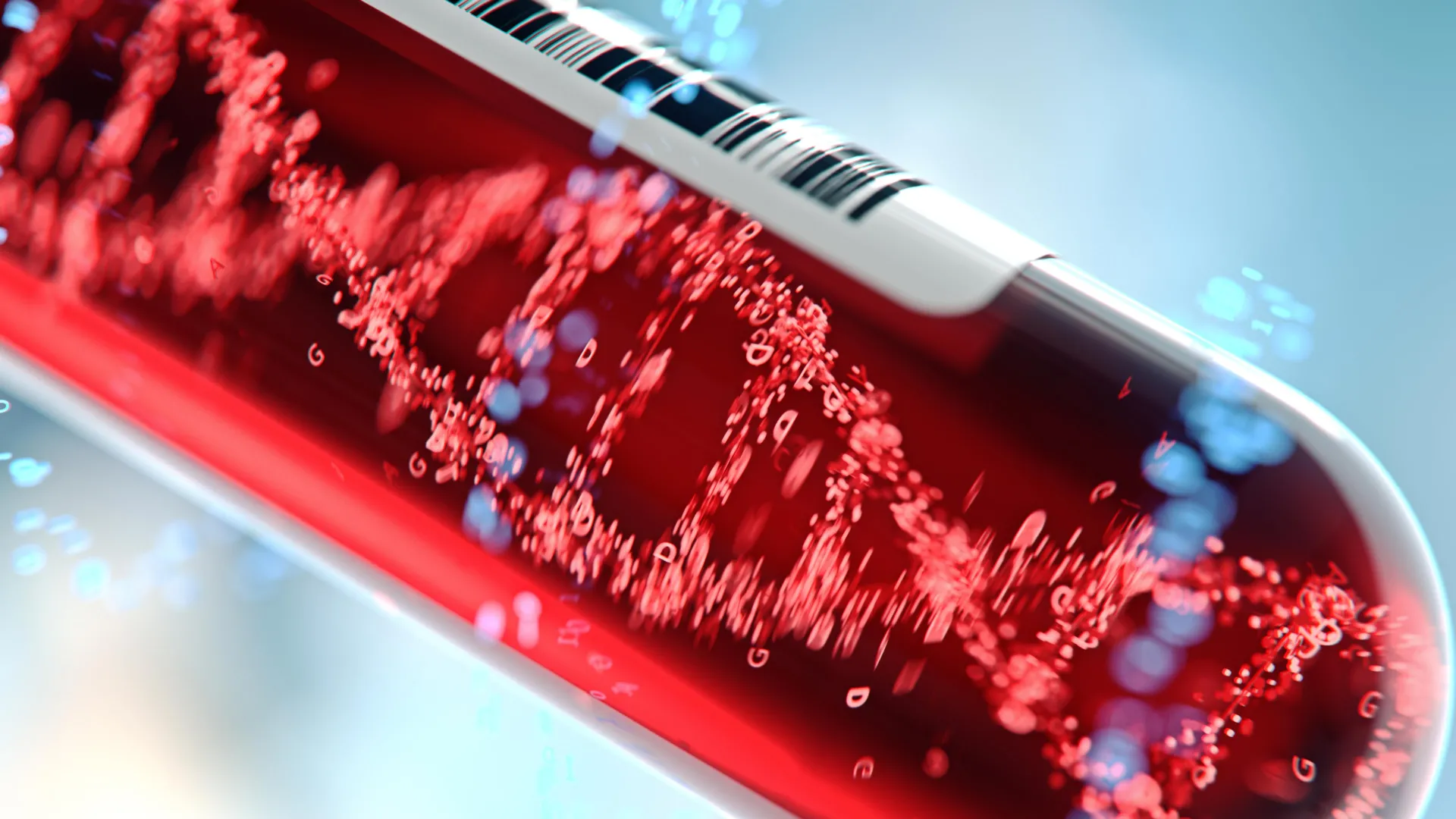
In the landscape of modern medicine, few challenges are as formidable as the silent progression of disease. Whether it is the insidious onset of stage-one cancer or the gradual deterioration of liver function, many of the world’s most lethal conditions remain asymptomatic until they have advanced to a point where treatment options are severely limited. However, a breakthrough development from researchers at the University of California, Los Angeles (UCLA), may soon change the diagnostic paradigm.
A team of scientists has unveiled "MethylScan," a relatively inexpensive and highly sensitive blood test capable of detecting multiple cancer types, chronic liver diseases, and various organ-related pathologies simultaneously. By tapping into the "molecular echoes" of dying cells, this new method offers a glimpse into a future where a single, routine blood draw could serve as a comprehensive radar for human health.
The Science of Circulating DNA: Reading the Body’s Signals
The human body is in a constant state of turnover. Every single day, between 50 and 70 billion cells reach the end of their lifecycle and die. As these cells break down, they release their genetic material—specifically cell-free DNA (cfDNA)—into the bloodstream. For years, this "background noise" was considered mere biological debris. Today, it is being recognized as a treasure trove of clinical information.
Liquid biopsies—tests that analyze blood for signs of disease—have traditionally focused on identifying specific genetic mutations associated with tumors. While revolutionary, these methods often suffer from high costs and limited scope, as they require deep sequencing to isolate rare signals from a sea of healthy blood cell DNA.
The UCLA team, led by Dr. Jasmine Zhou and Dr. Wenyuan Li, took a fundamentally different path. Instead of hunting for mutations, they turned their attention to DNA methylation. Methylation involves chemical tags that attach to DNA, acting like a regulatory switch to turn genes on or off. Because every tissue type in the body—from the liver to the lungs—possesses a unique "methylation signature," these chemical patterns act as a biological fingerprint. When a cell becomes cancerous or suffers from disease, its methylation pattern shifts. By identifying these shifts, the MethylScan technology can pinpoint not only that a disease is present, but where it originated in the body.
Chronology of Discovery: From Concept to Clinical Trial
The development of MethylScan represents years of iterative research at the UCLA Health Jonsson Comprehensive Cancer Center.
- The Conceptual Phase: The researchers began by addressing the "noise" problem. Roughly 80% to 90% of all cfDNA in a person’s blood originates from normal blood cells, which can easily overwhelm the faint signals sent by a developing tumor or a struggling organ.
- The Engineering Breakthrough: To isolate the relevant data, the team developed a novel filtering technique. They utilized specialized enzymes to selectively degrade unmethylated DNA, which typically comes from healthy blood cells. Simultaneously, they implemented a genome-wide hybridization panel to enrich the remaining sample for methylated DNA, specifically targeting solid organ tissue.
- The Validation Phase: With the technique refined, the team conducted a massive study involving 1,061 participants. This cohort was diverse, consisting of healthy individuals, patients with various cancers (liver, lung, ovarian, and stomach), and individuals suffering from non-malignant liver conditions like hepatitis and alcohol-related damage.
- The Analytical Phase: The team utilized advanced machine learning algorithms to interpret the complex data generated by the scan. By training these models on the distinct methylation patterns of diseased versus healthy tissue, the researchers were able to achieve high levels of diagnostic accuracy.
Supporting Data: Sensitivity and Specificity
The results of the 1,061-person study, published in the Proceedings of the National Academy of Sciences, offer a compelling argument for the scalability of the test.
In terms of cancer detection, the test demonstrated remarkable precision. Maintaining a specificity of 98%—a vital metric that ensures very few healthy patients are wrongly told they have cancer—the test successfully identified 63% of all cancers across all stages. Perhaps more importantly, it detected roughly 55% of early-stage cancers, the period during which survival rates are highest.
The performance was even more striking in the context of liver health. For high-risk populations, such as those with cirrhosis or Hepatitis B, the test identified nearly 80% of liver cancer cases with a false-positive rate of less than 10%. Furthermore, the test’s ability to differentiate between various forms of liver disease—such as viral hepatitis versus metabolic-associated liver disease—reached an accuracy rate of 85%.
Economically, the test is designed to be disruptive. Because the researchers successfully reduced the background noise, they achieved an effective sequencing depth of 300x using only 5 Gb of data per sample. With current sequencing costs remaining below $4 per gigabase, the raw data acquisition cost for the test is less than $20, a price point that makes widespread population screening a feasible long-term goal.
Official Perspectives: The Path Forward
Dr. Jasmine Zhou, the study’s senior author and a professor of pathology and laboratory medicine, emphasizes that the primary motivation behind this research is the dramatic difference in outcomes between early and late diagnosis.
"Survival rates are far higher when cancers are caught before they spread," Dr. Zhou stated. "If you detect cancer at stage one, outcomes are dramatically better than at stage four. Our goal is to shift the window of intervention."
Dr. Wenyuan Li, co-corresponding author of the study, highlights the versatility of the diagnostic tool. "DNA methylation reflects the health status of a tissue," he noted. "It’s a very informative signal." By tracing these signals back to their specific organs, the MethylScan acts as a "health radar." Dr. Li suggests that this is critical for the next steps in patient care, as it allows clinicians to immediately order targeted imaging or diagnostic procedures for the specific organ under stress, rather than subjecting patients to unnecessary, broad-spectrum exploratory tests.
The research team, which includes co-first authors Weihua Zeng, Shuo Li, and Yonggang Zhou, acknowledges that while the initial findings are promising, they are not yet ready for the doctor’s office. The next critical milestone will be large-scale, prospective clinical trials designed to validate the technology in real-world screening environments.
Broader Implications: A Universal Assay?
The implications of the MethylScan technology extend far beyond oncology. If a single blood test can accurately distinguish between different types of liver disease and identify early-stage organ distress, the medical community may be on the verge of a new era of "preventative diagnostics."
Reducing Invasive Procedures
One of the most immediate benefits of this technology is the potential to reduce the need for invasive diagnostic procedures. Currently, patients suspected of liver disease often undergo biopsies—a painful and risky process. If MethylScan can provide the same or better diagnostic clarity through a simple blood draw, it would drastically improve patient comfort and safety.
The "Universal" Diagnostic Dream
The ultimate dream of the UCLA team is to create a "universal assay" that can screen for a wide array of chronic diseases in a single visit. By monitoring the methylation landscape, doctors could detect systemic inflammation, organ damage, or emerging malignancies long before a patient experiences a single symptom.
However, the researchers remain cautious. They emphasize that while the current data is clinically meaningful, the complexity of human biology means that a test must be rigorously vetted against thousands of variables, including age, lifestyle, and genetic predispositions, before it can be deployed as a standard screening tool.
A New Standard of Care
As genomic sequencing costs continue to fall and machine learning models become more sophisticated, the barriers to implementing MethylScan are diminishing. If the upcoming prospective trials confirm the high sensitivity and specificity seen in the initial cohort, this technology could revolutionize public health policy. Instead of waiting for patients to present with symptoms, the healthcare system could shift toward a proactive model, identifying disease in its infancy when it is most curable and least expensive to treat.
For now, MethylScan stands as a testament to the power of interdisciplinary research—a fusion of molecular biology, bioinformatics, and clinical medicine that has turned the "background noise" of our own DNA into a clear, life-saving signal. As Dr. Zhou aptly summarized, the study is an "exciting advancement that brings us closer to realizing the dream of a single assay for universal disease detection."