
As the demographic shift toward an aging global population accelerates, the role of the family caregiver has moved from the shadows into the center of public health discourse. Sherri Snelling, a noted corporate gerontologist, author, and CEO of the Caregiving Club, has been at the forefront of this movement. Through her acclaimed podcast, Caregiving Club On Air, Snelling provides a vital platform for navigating the complexities of eldercare, workplace integration, and personal wellness.
This report synthesizes the insights from three pivotal episodes of Season 6, exploring the intersection of self-care, professional support, and the daunting financial and logistical landscape of long-term care.
Main Facts: The Pillars of Modern Caregiving
The recent episodes of Caregiving Club On Air (Episodes 72, 73, and 74) serve as a masterclass in the multifaceted nature of modern caregiving. The podcast highlights three critical pillars:
- Self-Care as a Strategic Necessity: Moving beyond the "bubble bath" trope, self-care is framed as an essential maintenance requirement for caregivers to prevent burnout and ensure the longevity of their caregiving efforts.
- Corporate Responsibility: With millions of employees balancing careers with caregiving duties, the responsibility of health systems and employers to provide structural support has never been more urgent.
- Informed Decision-Making: Navigating the labyrinth of long-term care—from financial planning to selecting the right facility—requires proactive, rather than reactive, strategies.
Chronology of Expert Conversations
June 2026: Addressing the Workplace Gap (Episode 72)
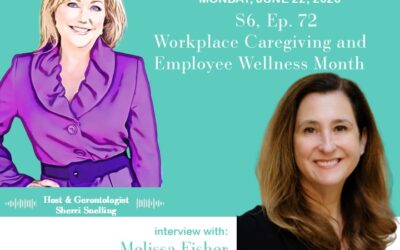
In late June, Snelling hosted Melissa Fisher from Kaiser Permanente to discuss the integration of caregiving support within the corporate wellness framework. This conversation highlighted the "hidden" population of employees who are balancing professional targets with the exhausting demands of caring for aging relatives. The discussion emphasized that workplace wellness is no longer just about employee gym memberships; it is about providing the flexibility and resources to manage the "caregiving shift" effectively.
August 2026: Demystifying Long-Term Care (Episode 73)
On August 31, 2026, the podcast featured author Cory Fosco, whose work, Question of When, addresses the daunting reality of transitioning into long-term care communities. The conversation focused on the necessity of preparation. Fosco’s insights provided listeners with a roadmap for evaluating the costs, the types of facilities, and the emotional weight associated with moving a loved one into a residential care setting.
September 2026: The Respite Revolution (Episode 74)
To mark September’s "Self-Care Awareness Month," Snelling sat down with Laura Williams, the founder and CEO of Respitely. The episode focused on the critical shortage of caregiver support and the innovative solutions that technology and professional respite services can offer. The discussion challenged the stigma that seeking help is a sign of failure, reframing it as a vital act of sustainable care.

Supporting Data: The Burden on the Caregiver
The urgency of these discussions is supported by current data. According to industry analysis presented throughout these sessions:
- The Productivity Crisis: Employees who act as caregivers report a significant increase in absenteeism and presenteeism. When corporate cultures do not support the caregiving journey, companies see a direct impact on their bottom line through talent attrition.
- The Financial Cliff: As discussed with Cory Fosco, the costs of long-term care are rising faster than inflation. The "Question of When" is not just an emotional inquiry but a fiscal one; families who fail to plan for long-term care costs face an average out-of-pocket burden that can wipe out retirement savings in less than three years.
- Burnout Statistics: Research highlighted in the Respitely interview suggests that nearly 60% of family caregivers report high levels of stress, with a significant portion experiencing physical health declines within the first 24 months of their caregiving tenure.
Official Perspectives and Expert Responses
On Workplace Integration (Melissa Fisher, Kaiser Permanente)
Fisher notes that employers must move toward a culture of transparency. "If an employee feels they have to hide their caregiving responsibilities to appear professional, we have failed them," she asserts. Kaiser Permanente’s approach involves normalizing the conversation around caregiving, ensuring that management is trained to recognize the signs of caregiver strain before it leads to burnout.
On Long-Term Care Realities (Cory Fosco)
Fosco’s philosophy is rooted in the idea of "radical honesty." He argues that families often wait for a crisis to make decisions about nursing homes or assisted living. "The decision is always better made at the kitchen table while everyone is calm, rather than in the emergency room under duress," Fosco states. He stresses that understanding the legal and financial distinctions between various levels of care is the single best way to reduce family conflict during the transition.
On the Necessity of Respite (Laura Williams, Respitely)
Williams challenges the "martyrdom" mindset. In her interview, she emphasizes that the quality of care provided is directly linked to the quality of the caregiver’s health. "You cannot pour from an empty cup," Williams notes. Her organization, Respitely, focuses on creating accessible, reliable temporary relief, arguing that respite care should be treated as a standard medical prescription rather than an elective luxury.
Implications: The Road Ahead
The Shift Toward Proactive Planning
The primary implication of these discussions is the move away from crisis management. Whether it is through employer-sponsored caregiving programs or personal financial planning, the overarching theme is that those who plan ahead gain the most agency. The "Question of When" is not just about moving into a facility; it is a metaphor for all caregiving decisions.
Corporate Culture as a Competitive Advantage
Companies that embrace the "Caregiving Club" model of support—offering resources, flexibility, and empathetic management—will likely see higher retention rates. As the "sandwich generation" (those caring for both children and aging parents) continues to grow, corporate support for caregiving will become a key differentiator in attracting top talent.
The Technology of Support
Technology, as seen through the lens of Respitely, is bridging the gap between desire and action. Platforms that simplify the search for, and management of, respite care are becoming essential infrastructure for the modern family. The integration of these services into the daily lives of caregivers is expected to increase over the next decade, reducing the isolation that currently plagues the caregiving experience.
Conclusion
The dialogue curated by Sherri Snelling in Caregiving Club On Air provides a necessary roadmap for a society currently grappling with a massive eldercare challenge. By weaving together the threads of financial planning, workplace policy, and mental health, the podcast highlights a universal truth: caregiving is not a solitary endeavor.
Whether it is the corporate perspective of Kaiser Permanente, the practical advice of Cory Fosco, or the innovation of Laura Williams, the collective message is clear: the caregiving crisis is manageable, but only through a combination of individual foresight and systemic support. As we move into the latter half of 2026, these resources serve as a beacon for those navigating the often-turbulent waters of family care, reminding us that with the right tools, knowledge, and support, it is possible to provide excellent care without sacrificing one’s own well-being.
Resources Mentioned:
- Caregiving Club On Air Podcast (Available on major streaming platforms)
- The Question of When by Cory Fosco
- Respitely.com (Professional Respite Care Resources)
- Kaiser Permanente Employee Wellness Programs