











For many individuals facing a cancer diagnosis, the physical toll of treatment is often defined by a singular, deeply personal milestone: hair loss. As chemotherapy, immunotherapy, and targeted therapies wage war on malignant cells, they often inadvertently damage healthy follicles, leading to thinning or complete hair loss. In the wake of this distressing side effect, many patients turn to the internet, social media, and word-of-mouth recommendations in a desperate search for a remedy.
Frequently, the answer they find is biotin—a B-complex vitamin marketed ubiquitously as a "miracle" supplement for hair, skin, and nail health. However, leading experts are now issuing a stern warning: not only is the scientific evidence for biotin’s efficacy in cancer recovery thin, but its potential to interfere with critical medical testing could have life-altering consequences.
The Illusion of Efficacy: Why We Reach for Biotin
Biotin, or vitamin B7, plays a vital role in the human body, specifically by supporting the production of keratin, a structural protein essential for the integrity of hair, skin, and nails. Because of this, it has become a staple in the wellness industry, appearing in everything from prenatal vitamins to "beauty-boosting" gummies.
However, Dr. Brittany Dulmage, an oncodermatologist at The Ohio State University Comprehensive Cancer Center, notes that the popular narrative surrounding biotin is largely disconnected from clinical reality. "People have the misconception that biotin supplements are harmless and there’s no reason not to take them," Dr. Dulmage explains. "The reality is that these supplements can lead to inaccurate lab results, resulting in a dangerous delay or unnecessary change in a patient’s treatment plan."
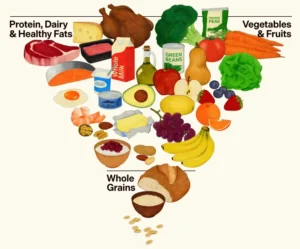
Furthermore, true biotin deficiency is exceedingly rare in the general population. Because the vitamin is naturally abundant in a variety of common foods—including eggs, dairy, meats, fruits, and vegetables—most individuals consume more than enough to satisfy the body’s requirements through diet alone.
A Timeline of a Modern Medical Conflict
The tension between the wellness trend of biotin supplementation and clinical diagnostic accuracy has developed over the last decade.
- Pre-2015: Biotin supplements begin to gain traction in the mainstream beauty industry, with minimal public discourse regarding their interaction with clinical laboratory diagnostics.
- 2017: The U.S. Food and Drug Administration (FDA) issues a safety communication warning the public, healthcare providers, and laboratory personnel that biotin can interfere with laboratory tests, potentially causing incorrect results.
- 2019-2021: As the usage of high-dose biotin supplements continues to climb among cancer survivors and those undergoing treatment, oncodermatologists begin to see a correlation between unexplained lab result discrepancies and self-prescribed supplementation.
- 2023: Dr. Dulmage publishes a seminal paper in JCO Oncology Practice, formally calling for oncologists to standardize the discussion of supplement risks during patient consultations.
- Present Day: Medical institutions are now working to educate both patients and practitioners on the dangers of biotin interference, emphasizing that "natural" does not necessarily equate to "medically safe."
How Biotin Distorts the Clinical Landscape
To understand the danger of biotin, one must understand how modern medical testing works. Many diagnostic assays rely on chemical reactions that involve biotin to detect specific biomarkers in the blood. When a patient has an artificially high level of biotin circulating in their system due to supplementation, it can throw off these delicate chemical sensors.
The Mechanism of Interference
Biotin does not physically alter the levels of hormones in the body; rather, it creates a "masking" effect during the analysis process. Depending on the test, the presence of the supplement can cause results to appear significantly higher or lower than they truly are.
- Thyroid and Reproductive Hormones: For tests like Thyroid Stimulating Hormone (TSH), biotin can cause a false suppression, leading to potential misdiagnoses of thyroid dysfunction. Conversely, for reproductive hormones like estrogen and testosterone, it can falsely elevate levels, potentially resulting in delayed or unnecessary therapeutic interventions.
- Cancer Monitoring: Perhaps most alarmingly, biotin can interfere with tests for Prostate-Specific Antigen (PSA) or other tumor markers. By masking the true levels of these markers, a supplement could potentially hide a cancer recurrence, leading to a dangerous delay in catching the disease when it is most treatable.
- Cardiac Emergencies: The interference is not limited to cancer markers. Biotin can also distort troponin levels, which are the gold-standard markers for detecting a heart attack. In an emergency setting, where every minute counts, a false negative for a heart attack due to biotin interference could be fatal.
A Patient’s Perspective: The Story of Anna Malagoli
For Anna Malagoli, a breast cancer survivor from Columbus, the desire to regain her sense of self after treatment was overwhelming. Like many others, she viewed her hair as an extension of her identity.
"Your hair is very much a part of you," Malagoli reflects. "One of the first things you ask is, ‘Am I going to lose my hair?’ It’s such an important thing for people—not everybody looks good with no hair."
In the months following her remission, Malagoli turned to the internet for answers. Without a warning from her medical team, she began taking high doses of biotin. "The amount of information on the Internet can lead you in different directions. I was taking so much biotin it’s not even funny," she says. "Nobody mentioned one word that biotin vitamins or minerals or supplements could interfere with your treatment or your testing."
It was only during a consultation with Dr. Dulmage that the dots were connected. Malagoli’s lab results had been wildly inconsistent, creating confusion for her medical team. "My lab results were inconsistent. They just didn’t balance out with what I was feeling, so that was a red flag," Malagoli recalls. "I think it had to do with the supplements I was taking."
Expert Recommendations: Bridging the Knowledge Gap
Dr. Dulmage, who leads the Oncodermatology Clinic at The Ohio State University, sees the impact of the "wellness trap" daily. "More than half the patients who come to see me with a problem related to hair loss are on a supplement that they’ve started on their own," she notes.
Guidance for Patients
For those who are currently taking biotin and cannot stop immediately, experts generally advise ceasing supplementation at least 72 hours before any scheduled blood work. However, because many medical emergencies are unplanned—such as a cardiac event requiring a troponin test—Dr. Dulmage advocates for a more conservative approach: avoiding biotin supplements entirely.
The Superior Alternative: Minoxidil
For patients suffering from hair loss, there are clinically proven, safer alternatives to biotin. Dr. Dulmage frequently recommends minoxidil, an FDA-approved treatment available over the counter in lotions or foams.
"Minoxidil is considered safe and effective for most people," Dr. Dulmage states, while adding the caveat that it should not be used during pregnancy or breastfeeding. For patients who do not see results with minoxidil, she urges them to consult a dermatologist rather than turning to unregulated supplements. "There are many other types of treatments that may be an option, but they should be guided by a professional," she says.
Malagoli’s experience echoes this sentiment. After switching from biotin to minoxidil, she saw tangible results. "I don’t know if my body just doesn’t assimilate the supplements as well, but minoxidil is definitely more effective long-term," she says. "I would say it’s super important to listen to your doctors and not just do your own thing."
Implications for Future Care
The case of biotin highlights a broader issue in modern medicine: the "supplement gap." As the wellness industry continues to grow, there is an increasing need for oncologists and primary care physicians to proactively discuss supplement use with patients.
Dr. Dulmage’s call to action in JCO Oncology Practice is a reminder that patient education must extend beyond the primary diagnosis. By normalizing conversations about over-the-counter supplements, medical teams can empower patients to avoid unnecessary risks.
Ultimately, the goal is to ensure that the patient’s journey to recovery is guided by evidence-based medicine rather than the misinformation that proliferates online. As Malagoli advises, the most important step for any patient is to maintain an open dialogue with their care team. When it comes to managing the side effects of cancer treatment, the safest path is one traveled with the guidance of a medical professional, ensuring that every effort toward restoration is both effective and, most importantly, safe.