




By Sree Roy
For decades, the polysomnography (PSG) performed within the controlled confines of a clinical sleep laboratory has served as the undisputed "gold standard" for diagnosing sleep disorders. By monitoring brain waves, eye movements, heart rate, and respiratory effort in a sterile, supervised environment, clinicians have been able to map the intricacies of human sleep architecture with high precision. However, a groundbreaking exploratory analysis presented at SLEEP 2026 suggests that this controlled environment may come with a hidden, unintended consequence: it may be fundamentally altering the very sleep patterns it aims to measure.
Using an advanced, patch-based diagnostic system, researchers have discovered that patients sleep longer, more efficiently, and with more natural sleep architecture when monitored in their own bedrooms compared to a laboratory setting. These findings challenge the long-standing assumption that the laboratory environment is the only way to achieve a "true" representation of a patient’s nightly rest.
The Study: Bridging the Gap Between Lab and Home
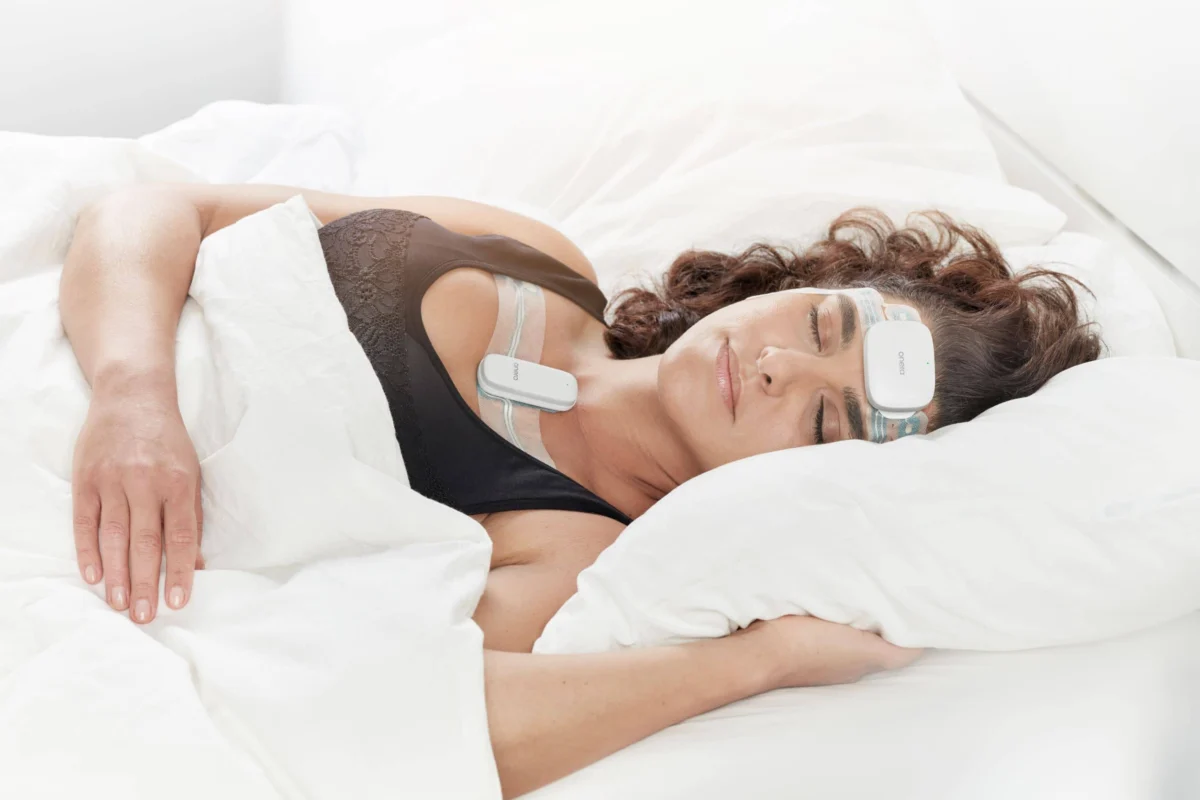
The study evaluated the Onera Sleep Test System, a pioneering, patient-applied, type II home sleep study patch. This technology, which requires only four sensors placed on the chest, abdomen, leg, and forehead, is designed to offer the same diagnostic rigor as a full in-lab PSG without the intrusive wiring and environmental stressors associated with clinical sleep clinics.
To ensure a robust comparison, the research team recruited a cohort across seven different sleep clinics in Germany. From a larger validation study, researchers isolated a subset of 52 adults who successfully completed two full nights of monitoring: one night in a professional laboratory setting and one night in their own homes. To maintain scientific integrity, the study required that each participant spend at least six hours in bed and produce at least four hours of scorable data for each session, allowing for a direct, side-by-side analysis of sleep and respiratory metrics.
Chronology of Findings: A Shift in Continuity
The data revealed a stark contrast between the two environments, highlighting that the "first-night effect"—a phenomenon where sleep is disturbed by a novel environment—may be more significant than previously accounted for in clinical practice.
The Sleep Architecture Breakdown
According to the final metrics, which were refined following the initial SLEEP abstract submission, the improvements in the home setting were dramatic:
- Wake After Sleep Onset (WASO): One of the most telling indicators of sleep continuity, WASO dropped by more than half in the home environment, falling from 54.3 minutes in the laboratory to just 23.1 minutes at home.
- Sleep Efficiency: This metric, representing the ratio of time asleep to time in bed, saw a marked improvement, rising from 81.1% in the lab to 89.1% in the home.
- Total Sleep Time (TST): Participants enjoyed significantly longer sleep durations at home, averaging 408.1 minutes compared to 378.6 minutes in the lab.
- REM Sleep: The home environment fostered longer periods of REM sleep, with an average of 91.1 minutes compared to 76.4 minutes in the clinical setting.
These figures suggest that when patients are allowed to sleep in their own environments, they spend less time awake, achieve greater efficiency, and progress through sleep cycles more naturally.
Supporting Data: Why the Disparity Matters
Critics might argue that these differences are simply due to the comfort of one’s own bed. However, the researchers emphasize that the selection process for the study actually understated the severity of the problem. Because the study required a minimum of four hours of sleep for inclusion, it effectively filtered out the most "difficult" patients—those with severe insomnia or those who simply could not sleep at all in a foreign laboratory environment.
Steven Coughlin, PhD, clinical lead at Onera Health, notes that this selection bias likely suppressed the true magnitude of the differences. "Patients who struggle most in the lab, for example, those with insomnia, were more likely to have fallen out of that scored subset," Coughlin explains. "If anything, that selection bias would have led to us understating the true differences between the two environments."
Despite these differences in architecture, the respiratory metrics remained remarkably stable. The mean apnea-hypopnea index (AHI)—the number of times a patient stops breathing during sleep—remained consistent between the two settings, hovering between 28 and 29 events per hour. This indicates that while the quality of sleep is altered by the environment, the diagnostic capability of the patch-based system to detect sleep-disordered breathing remains just as accurate as traditional, in-lab PSG.
Official Responses and Clinical Perspectives
The implications of these findings have sparked a robust conversation among sleep medicine professionals regarding the future of diagnostic pathways.
The "Clinically Faithful" Argument
Bill Garner, vice president of global marketing at Onera Health, suggests that the data provides a strong impetus for moving away from the "lab-only" paradigm. "This data strengthens the case for home PSG being more than just a convenience," Garner states. "If a laboratory night is not representative of your habitual sleep, then recording a patient’s sleep in their own bedroom, in their own bed, is not just easier and more comfortable. It’s going to be more clinically faithful and give you a better representative picture of their sleep."
Coughlin echoes this sentiment, pointing to the striking nature of the results. "A change of that magnitude in how consolidated sleep was, simply from moving the recording from the lab into the patient’s own sleep environment in the home, is striking," he says. "It underscores how unrepresentative a laboratory night might actually be of someone’s real sleep."
A Shift, Not a Replacement
It is important to note that the industry is not advocating for the total abolition of the sleep lab. Instead, the consensus is shifting toward a more scalable, tiered model. Garner emphasizes that home PSG is intended to be a supplementary tool, not a complete replacement. By offloading simpler, routine diagnostic cases to home-based systems, sleep labs can reserve their specialized resources—and their limited bed capacity—for complex cases that require intensive, in-person monitoring, such as parasomnias, complex neurological conditions, or patients with multiple comorbidities.
Implications for the Future of Sleep Medicine
The results from the 2026 study represent a potential turning point for sleep clinics worldwide. As the volume of patients reporting sleep issues continues to rise, the demand for diagnostic services is far outstripping the availability of in-lab beds.
1. Improved Patient Experience and Compliance
Patient feedback from the study was overwhelmingly positive. 73% of subjects reported that their sleep in the lab felt worse than their sleep at home. By reducing the "first-night effect" and the anxiety associated with sleeping in a clinical facility, practitioners may see higher patient compliance rates and more accurate data on the first attempt, reducing the need for repeat studies.
2. Streamlining Healthcare Systems
The Onera Sleep Test System, with its six-minute application time, demonstrates how technology can reduce the administrative and labor burden on clinical staff. By allowing patients to apply the sensors themselves, clinics can significantly reduce the overhead costs associated with technician-led hookups and overnight monitoring.
3. Re-evaluating Diagnostic Standards
If the lab environment is shown to inherently degrade sleep architecture, the field may need to re-examine what constitutes "normal" sleep. If current diagnostic baselines were established using lab-based data, we may be missing the nuances of how people truly sleep in the real world. This study invites the medical community to consider whether future diagnostic guidelines should prioritize home-based data to capture a more holistic view of the patient’s health.
Conclusion
The findings shared at SLEEP 2026 serve as a powerful reminder that context matters. When it comes to the complex, delicate architecture of human sleep, the environment is not merely a backdrop; it is an active participant in the physiological process.
As technology like patch-based PSG becomes more refined, the barriers to accurate, home-based sleep monitoring are crumbling. The shift toward "clinically faithful" diagnostics—those that measure sleep as it happens in the patient’s natural habitat—promises to not only make the diagnostic process more comfortable and accessible but also to provide physicians with a clearer, more honest window into the nightly struggles of their patients. While the sleep lab will always have its place, the future of sleep medicine appears to be moving into the bedroom, one patch at a time.