


By Keith Appleton, LMSW, Combat Veteran
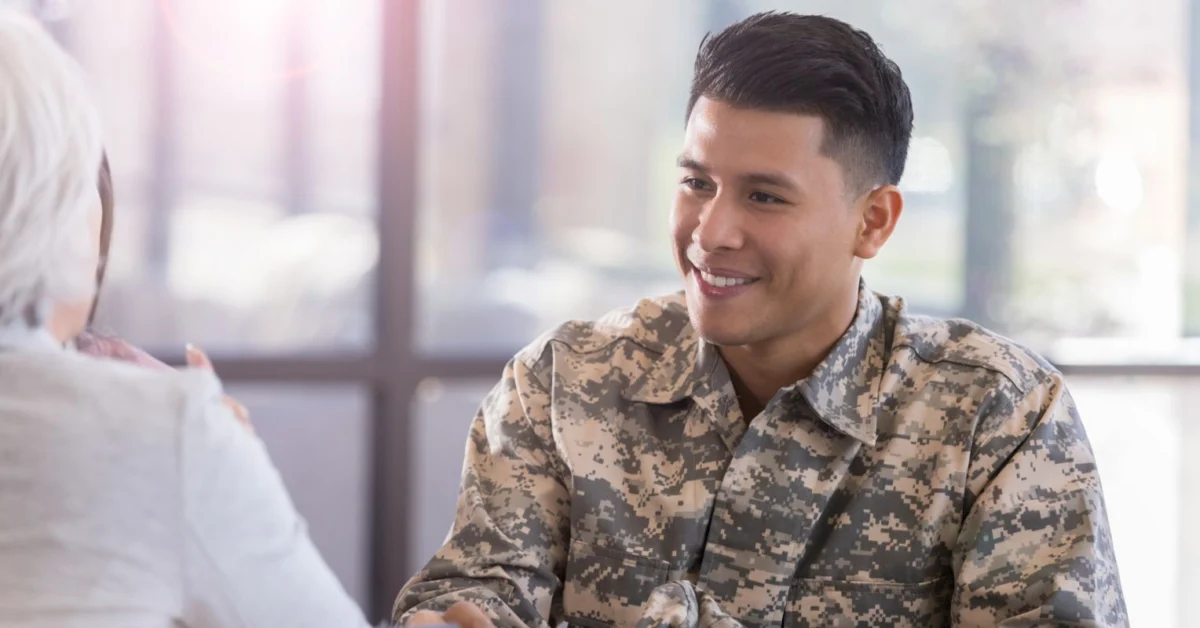
In the sterile, quiet confines of a detox ward, a veteran—gripped by the crushing weight of PTSD and the numbing embrace of addiction—stood ready to walk out. He was convinced, as many are, that no civilian could ever grasp the landscape of his trauma. As a fellow veteran, I didn’t see a patient failing; I saw a soldier losing his footing. By shifting our dialogue to the familiar cadence of military operations, framing his recovery as a new mission, he stayed. That moment was not a miracle; it was an application of cultural competence. It underscores a fundamental truth: for those who have served, effective care requires more than clinical expertise—it requires an understanding of the military soul.
The Magnitude of the Crisis: Main Facts
The transition from active duty to civilian life is often described as the most difficult maneuver a service member will ever execute. According to data from the National Center for PTSD (2023), roughly 7% of U.S. veterans live with PTSD, and over 20% grapple with substance-use disorders. These are not merely statistics; they are neighbors, family members, and friends who have returned from the front lines only to find themselves fighting a new, often lonelier, battle at home.
Despite the prevalence of these conditions, more than half of those in need never receive care. The barriers are myriad: entrenched stigma, a cultural ethos of "toughing it out," and a pervasive belief that civilian clinicians "just don’t get it." Military service is not a career; it is an identity forged through rigid structure, unique symbols, shared hardship, and ultimate sacrifice. When that identity is stripped away without a bridge to the civilian world, the result is a crisis of belonging.
Chronology of the Transition: From Uniform to Isolation
To understand the veteran, one must understand the environment that shaped them. The chronology of a service member’s life is marked by milestones: boot camp, deployment, promotion, and the eventual transition to civilian life.
The Formation of the Military Identity
For the veteran, the uniform, the rituals, and the job titles hold a gravity that is difficult to translate to the private sector. Badges, combat patches, service ribbons, and specialty schools are not merely ornamental; they are the physical manifestation of a veteran’s story. As a veteran who wore my Combat Action Badge and Air Assault Wings, I know that these symbols are keys to trust. They provide an immediate, non-verbal shorthand between service members, facilitating a shared language of experience that can become a powerful vehicle for growth.
The Rupture of Attachment
Attachment theory, as pioneered by John Bowlby (1980), teaches us that when key identifiers are removed, individuals struggle to adapt. For the veteran, the military unit functions as a "secure base." When a service member exits the service, that base vanishes. Without a new "tribe," the veteran experiences an attachment rupture—a profound sense of disorientation, grief, and isolation. As author Sebastian Junger (2016) noted in his seminal work Tribe, humans possess a primal need to belong to cohesive, purpose-driven groups. The loss of that group often manifests as a clinical crisis.
Supporting Data: The Cost of Disconnection
The U.S. Department of Veterans Affairs (2022) has consistently highlighted the disconnect between service members and the mental health system. The reluctance to seek help is often rooted in the fear of being misunderstood. When a clinician ignores the cultural nuances of military life, they inadvertently reinforce the veteran’s isolation.
However, research into post-traumatic growth (PTG) suggests that the narrative of a veteran’s life need not be defined solely by the trauma of the battlefield. According to Dell’Osso et al. (2022), narrating positive deployment experiences—the camaraderie, the pride, and the moments of profound human connection—is essential in reducing PTSD symptoms. When therapy focuses exclusively on the "horror," it neglects the strength that the veteran possesses. Integrating these positive memories helps the veteran construct a more coherent, resilient self-narrative.
The Role of the Family: An Official Perspective
The family unit is the silent, often overlooked participant in the veteran’s recovery. All too often, the spouse or children are left in the dark, watching from the periphery as their loved one struggles. As Bowen (1978) emphasized in his work on family systems, healing does not happen in a vacuum.
In clinical practice, I have witnessed the profound impact of including the spouse in the therapeutic process. Consider the veteran suffering from "moral injury"—the psychological distress caused by actions, or the lack thereof, that violate one’s deeply held moral or ethical code (Davis, 2023). When the spouse is invited into the session, the veteran’s narrative shifts from one of shame to one of service and protection. The family becomes a support system rather than a bystander, and the veteran learns that their identity as a "provider" and "patriot" remains intact, even outside the uniform.
Implications for Future Care: The "Mission-First" Approach
To bridge the gap between veterans and the care they desperately need, the clinical community must adapt. We must transition from a passive model of care to a "mission-focused" model that resonates with the military ethos.
Leadership as Therapy
Veterans are naturally drawn to values they recognize: empathy, mentorship, and goal-oriented guidance. A people-first approach in the military is essentially a form of trauma-informed care. When clinicians use structured methodologies like Cognitive Behavioral Therapy (CBT) or Eye Movement Desensitization and Reprocessing (EMDR), they are providing the discipline and clarity that service members crave (Shapiro, 2018).
Practical Steps for Culturally Competent Care:
- Inquiry and Respect: Clinicians should start by asking about a veteran’s Military Occupational Specialty (MOS) and the significance of their service. Validating the "patches and ribbons" is the first step in building a therapeutic alliance.
- Flexible Identity: Help veterans shift their self-perception. A soldier is not just a soldier; they are a leader, a mentor, and a protector. Translating these roles into civilian life provides a sense of purpose.
- Narrative Integration: Encourage veterans to share the full scope of their deployment, including the moments of beauty, joy, and triumph. This counteracts the narrative of being "broken" by trauma.
- Systemic Inclusion: Actively involve families in the treatment process to restore the connection that trauma often severs.
Conclusion: The Mission Continues
Veterans carry their experiences with them—invisible badges that deserve recognition rather than avoidance. When care is delivered with cultural competence, the therapeutic relationship becomes more than a clinical intervention; it becomes a new mission. It is a mission that honors the past, acknowledges the courage required to survive, and provides the tactical support necessary for the veteran to write the next, successful chapter of their life.
We owe it to those who served to ensure that the transition home is not a descent into darkness, but an evolution of purpose. By integrating military cultural insight with evidence-based trauma care, we can ensure that the "invisible frontline" is finally addressed with the precision, respect, and effectiveness that our veterans have earned.
References
- Bowen, M. (1978). Family Therapy in Clinical Practice. Jason Aronson.
- Bowlby, J. (1980). Attachment and Loss: Vol. 3. Loss, Sadness and Depression. Basic Books.
- Davis, L. Y. (2023). Moral Injury: The Hidden Adversary of War.
- Dell’Osso L, et al. (2022). Post Traumatic Growth (PTG) in the Frame of Traumatic Experiences. Clinical Neuropsychiatry.
- Hurley, E. C. (2021). A Clinician’s Guide for Treating Active Military and Veteran Populations with EMDR Therapy. Springer Publishing.
- Junger, S. (2016). Tribe: On Homecoming and Belonging. Twelve.
- National Center for PTSD. (2023). PTSD in Veterans: Facts and Figures. U.S. Department of Veterans Affairs.
- Shapiro, F. (2018). Eye Movement Desensitization and Reprocessing (EMDR) Therapy. Guilford Press.
- U.S. Department of Veterans Affairs. (2022). National Veteran Suicide Prevention Annual Report.