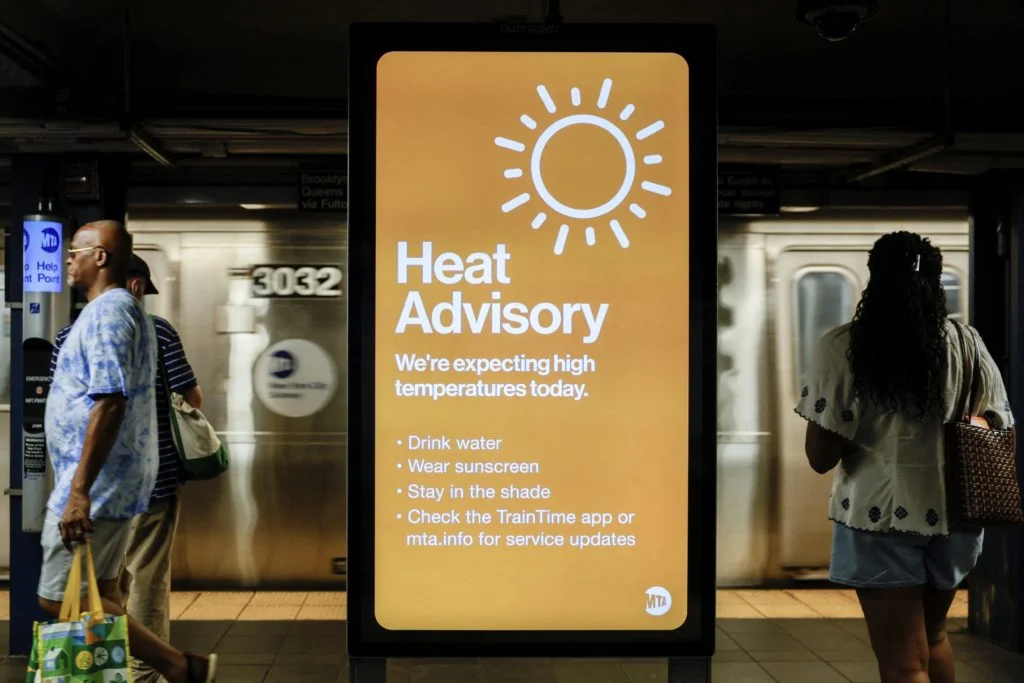
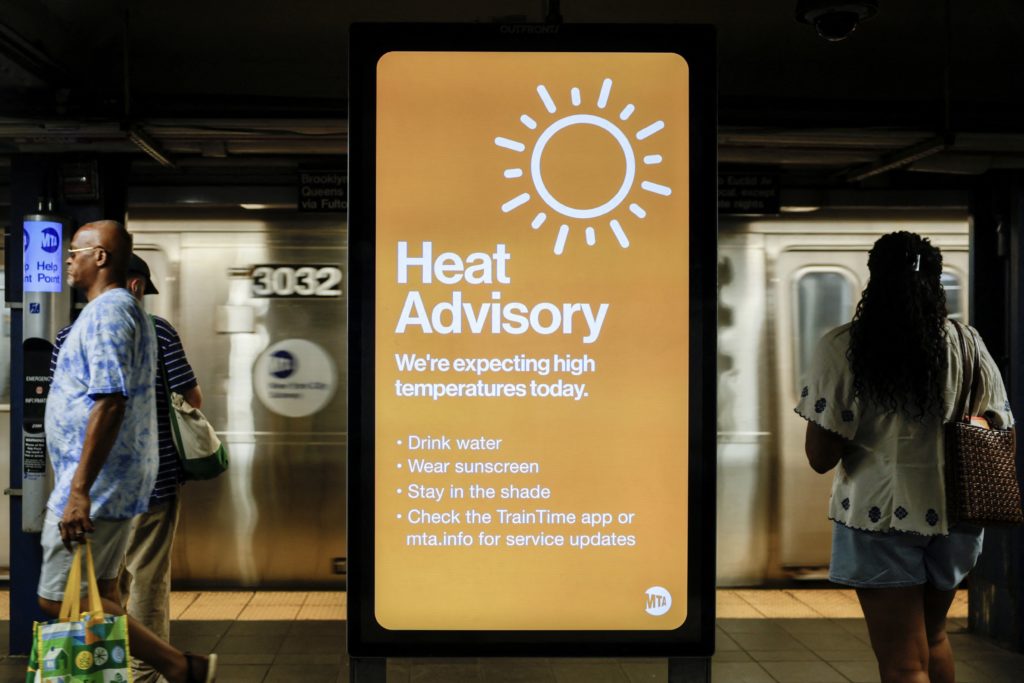
When a heat wave descends upon a city, the public health playbook is as predictable as it is necessary: stay hydrated, monitor for signs of heatstroke, and conduct wellness checks on vulnerable populations, particularly those with pre-existing cardiovascular or respiratory conditions. While this traditional guidance saves countless lives, it overlooks a silent, pervasive crisis affecting millions of older Americans: the exacerbation of chronic pain.
A landmark study, recently published in Environmental Research: Health by public health professor Kai Zhang and his colleagues, suggests that our current approach to extreme weather preparedness is fundamentally incomplete. By tracking over 35,000 adults aged 50 and older across two decades, the researchers have uncovered a troubling correlation between long-term exposure to extreme temperatures and the debilitating nature of high-impact chronic pain.
Defining the Scope: What is High-Impact Pain?
To understand the severity of these findings, one must distinguish between minor aches and what medical professionals categorize as "high-impact chronic pain." This term refers to pain that persists for at least three months and significantly restricts a person’s ability to engage in daily life—including professional responsibilities, social interactions, and basic self-care.
For the aging population, this distinction is critical. Pain that impairs mobility, complicates the simple act of carrying groceries, or prevents restorative sleep is a primary driver of institutionalization. It is a leading factor in why older adults lose their independence. When extreme weather acts as a catalyst for this pain, it doesn’t just make a person uncomfortable; it potentially accelerates their decline and limits their autonomy.
Chronology of Discovery: A Two-Decade Analysis
The researchers took a longitudinal approach, matching individual reports of pain against localized temperature data over a 20-year span. Rather than focusing on a single, isolated "bad week" of weather, they examined how multi-month or multi-year exposures to extreme temperature fluctuations—both high and low—impacted the quality of life for older adults.
The Methodology
The team compared every community against its own 10-year historical record. This nuanced approach avoided the pitfalls of a "one-size-fits-all" national temperature cutoff. For example, a day reaching 84 degrees Fahrenheit (28.9 degrees Celsius) in Maine represents an extreme heat event—falling within the top 5% of historical temperatures for that region. Conversely, in Houston, the same temperature would be considered mild, with "extreme" status reserved for days climbing toward 96 degrees Fahrenheit (35.4 degrees Celsius).
The Findings
The study yielded two primary conclusions that demand immediate attention from policymakers:
- The Accumulation of Cold Stress: Among the 20% of the sample population residing in areas characterized by frequent extreme-cold days, reports of high-impact pain increased significantly. Interestingly, the body appeared to adapt to an occasional harsh winter; however, the cumulative strain of living through years of extreme cold led to a breakdown in this adaptive capacity, manifesting as chronic, life-limiting pain.
- The Geography and Wealth Gap in Heat: The impact of extreme heat was heavily mediated by socioeconomic status and geography. Residents with the financial means to utilize climate control and avoid outdoor exposure were less likely to report new onset chronic pain. In contrast, those without such protections saw a direct correlation between rising heat levels and increased reports of pain that disrupted their daily functioning.
Supporting Data: The Rural Reality
While urban centers are the primary focus of most climate adaptation strategies—such as cooling centers, tree canopy programs, and "heat island" mapping—the study highlights a significant, often ignored, demographic: rural residents.
Rural areas face a unique confluence of risks. Infrastructure is often aging, making homes notoriously difficult to keep cool during heat waves. Furthermore, the economic burden of energy costs consumes a larger percentage of rural household income compared to urban counterparts. This is compounded by the systematic closure of rural hospitals, which forces elderly residents to travel significantly greater distances for medical intervention when their condition worsens.
Perhaps most concerning is the demographic profile of the American agricultural sector. The average producer in a decision-making role is approximately 58 years old, and nearly 40% of farmland is managed by individuals aged 65 or older. In this sector, retirement is often not a viable option, leaving an aging, vulnerable workforce directly exposed to the increasing frequency of extreme heat events.
Official Responses and Public Health Implications
The scientific community is beginning to sound the alarm, urging a shift in how we frame heat-related health risks. The implications of this research are threefold for future public health policy:
1. Broadening the Definition of Heat-Related Illness
Health departments must update their public messaging. Warnings should move beyond "heat stroke" and "dehydration" to include the potential for increased physical pain. Encouraging residents to recognize an increase in pain as a warning sign of heat stress could lead to earlier intervention and improved outcomes.
2. Targeting Rural Vulnerability
Policy interventions cannot remain urban-centric. Strategies must be developed to provide weatherization assistance to older rural homes, subsidize energy costs for those on fixed incomes during extreme weather, and incentivize mobile health clinics that can reach those who cannot travel to distant medical facilities.
3. Long-term Climate Planning
As global temperatures rise, the "recovery time" for the human body is shrinking. The study notes that in 2024, Phoenix experienced 39 days where temperatures failed to drop below 90 degrees Fahrenheit at night. This lack of nocturnal cooling prevents the body from recovering from daytime thermal stress, creating a constant state of physiological inflammation that exacerbates chronic pain conditions.
Looking Toward the Future
The nexus of climate change and chronic pain is a growing public health emergency that requires an immediate, multifaceted response. If you are a caregiver for a parent or grandparent, the researchers suggest a shift in perspective. During the next heat wave, do not limit your inquiry to whether they are drinking enough water. Ask them how they are moving. Ask if their back, knees, or joints feel worse than usual.
The data confirms that the environment does not just affect our internal temperature; it dictates our daily mobility and independence. Recognizing that chronic pain is a climate-sensitive health outcome is the first step toward building a more resilient society.
As we face an era of increasingly volatile weather, the mandate is clear: our adaptation strategies must account for the reality of an aging population. Ignoring the connection between the mercury in the thermometer and the pain in the body is no longer a viable option. We must ensure that the tools for survival—whether they are cooling centers in the city or weatherization grants in rural valleys—are accessible to those whose quality of life depends on them most.
The conversation around climate change has often focused on the extremes of survival. It is time to widen that lens to include the quality of life, ensuring that as the planet warms, we do not leave our most vulnerable to suffer in silent, preventable pain.