











By Kari McBride
The morning light filters through the blinds, casting long, sharp shadows across the bedroom floor. For most, 7:00 a.m. is a standard start to a productive day. For the household of a parent and child both navigating the complexities of chronic illness, it is the beginning of a high-stakes tactical operation.
The alarm clock on the nightstand buzzes—a jarring, mechanical intrusion. I am not ready. My body feels heavy, as if tethered to the mattress by invisible weights. But before I can surrender to the pull of sleep, a soft, persistent chattering drifts from down the hall. My daughter is awake.
“Mom? Mom? Are you still sleeping?”
The innocence in her voice is a sharp contrast to the reality we live. I want to feign sleep, to steal five more minutes of stillness, but her next words stop me cold. “I got dressed. Ate my breakfast. And fed the cat.”
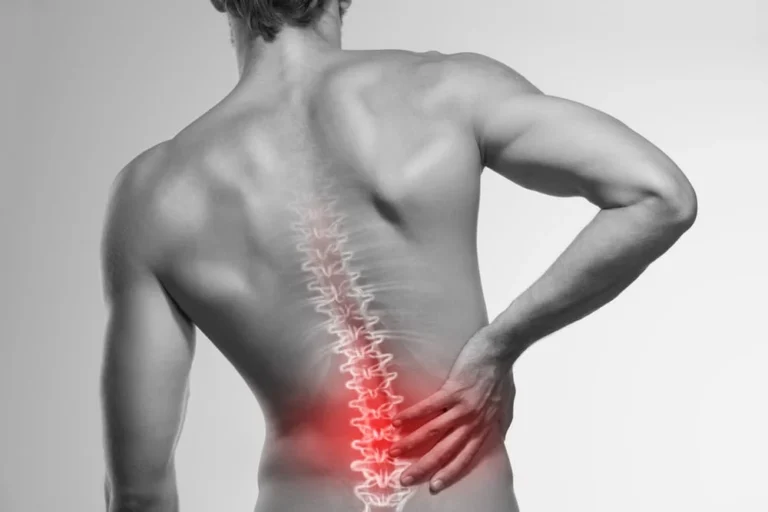
The day has started without me. It is a moment of bittersweet pride; she is capable and independent, but the early start hints at something more pressing. My heart sinks as I wonder: Did the pain in her side wake her?
The Chronology of a Chronic Day
Living with chronic pain is not merely about managing symptoms; it is about managing the psychological toll of a fluctuating reality. By 8:00 a.m., the daily assessment begins.
“How’s your side today? Are you ready for school?” I ask, searching her face for the telltale signs of a flare-up.
“It’s fiiiiine, Mom. I don’t need any medicine,” she replies with a forced brightness. She is performing wellness, trying to convince me—and perhaps herself—that she is well enough to participate in the world. She has plans. She wants to swim. She has to be okay.
The morning hours are a blur of academic labor: Math, English Language Arts, and Social Studies. Between teaching moments, I juggle my own internal crisis. The lack of sleep has manifested into a full-blown migraine. My forehead throbs in rhythm with my heartbeat, and the familiar, sickening wave of nausea begins to crest. I scramble for my rescue medication, searching cabinets with trembling hands while trying to maintain the facade of a focused educator.
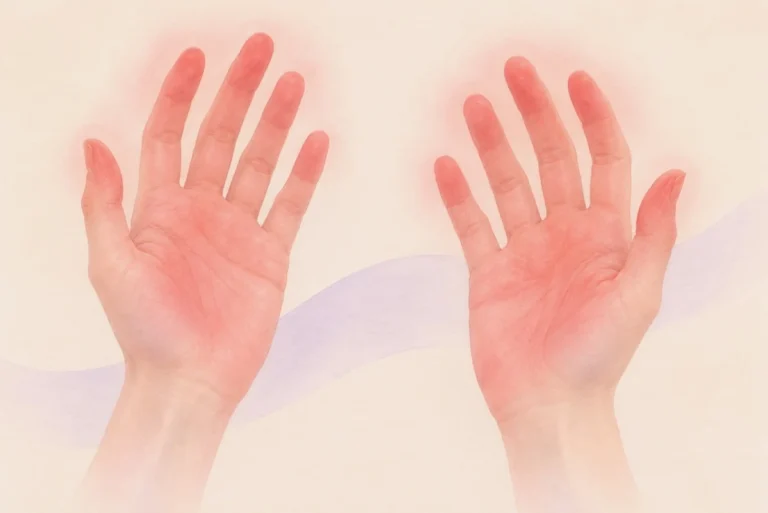
By noon, the cracks in our carefully constructed composure begin to show. My daughter’s fidgeting intensifies. Her cheeks, usually pale, flush a vivid, unnatural red. Her eyes, once bright, appear glazed and exhausted.
“Do you need medicine? You look tired,” I press, my voice tight.
“No, Mom, I said I’m fine,” she snaps. Internally, she is terrified. She knows the pain is escalating, a physical manifestation of her condition that she desperately wants to hide from both of us.
The meltdown is inevitable. It arrives not with a whimper, but with a roar. The frustration of being a child trapped in a body that betrays her spills over. "I HATE THIS PAIN. FIX IT. FIX IT RIGHT AWAY."
The next hour is a frantic cycle of crisis management. I am searching for her medication, my own migraine worsening with every scream, every thrown object. We have pushed too hard; we missed the window of intervention. Finally, as the medication takes hold and the exhaustion sets in, the house falls into a fragile, hollow silence.
The Cost of Normalcy: Supporting Data and Realities
The scenario described is not an isolated incident; it is a microcosm of a widespread, often overlooked crisis in modern healthcare and parenting. According to the Chronic Pain Research Alliance, millions of children live with chronic pain conditions, often categorized as "invisible illnesses." These conditions—ranging from autoimmune disorders to nerve-related pain—frequently lack clear diagnostic markers, leaving parents and children in a state of perpetual advocacy and uncertainty.
The psychological impact on the caregiver is equally significant. A study published in the Journal of Pediatric Psychology notes that caregivers of children with chronic conditions experience higher rates of anxiety, depression, and "caregiver burnout." When the parent themselves suffers from a chronic condition—such as the migraine disorder documented here—the threshold for crisis is significantly lowered. The "double-burden" of managing one’s own health while acting as the primary medical advocate for a child creates a complex loop of guilt, exhaustion, and trauma.
Professional Perspectives and Clinical Implications
Medical professionals emphasize that the "push-pull" dynamic between parent and child is a common defense mechanism. Dr. Elena Rossi, a pediatric rheumatologist, explains: “Children with chronic pain often develop a ‘brave face’ to protect their parents, or to maintain a sense of normalcy in their peer groups. When that facade breaks, it isn’t a behavioral issue; it is a physiological and emotional exhaustion point. The goal is to move from reactive crisis management to proactive, scheduled pain mitigation.”
However, the "proactive" approach is often hindered by the unpredictable nature of chronic pain. Implications for the family unit are profound. Families must constantly recalibrate their expectations of "success." For this family, success was not a perfectly completed school day; it was the thirty minutes of swimming in the afternoon.
Finding Value in the Fragments
After the afternoon nap—which I spent in a state of semiconscious recovery—the day shifts again. I am tasked with leading a support group for other parents navigating similar landscapes. We discuss the heavy hitters: Pain, Parenting, Grief, and Identity.
It is in these moments of vulnerability that I am reminded why we push through. As I speak to others, I hear a whisper from the doorway: “Mommy? Are you still in your meeting? I really want to swim still.”
The drive to the pool is an exercise in anxiety. Every glance in the rearview mirror is a diagnostic scan. Is she okay? Is she faking it to please me? Is this worth the physical cost?
But at the pool, the transformation is undeniable. For thirty minutes, she is not a patient. She is a child. She dives, she splashes, she laughs—her face covered in "snotty pool bubbles." In that brief window, the pain is sidelined by the pure, unadulterated joy of movement.
The Unending Cycle: Reflections on Resilience
Returning home, the cycle repeats its conclusion. The gear is packed away, the exhaustion returns, and the house settles into the quiet of the evening. I am physically spent, my body aching, my mind searching for the remnants of my own identity outside of being a caregiver and a patient.
Then, the final blow: “Mommy? My side is an 8. It really hurts.”
It is a reminder that there is no "cure" for this Tuesday, this Thursday, or any day in between. There is only management, grace, and the resilience to wake up and do it all again tomorrow.
We are not just surviving the pain; we are carving out moments of life in the spaces between the flare-ups. It is an exhausting, relentless, and deeply human endeavor. And for now, that has to be enough.