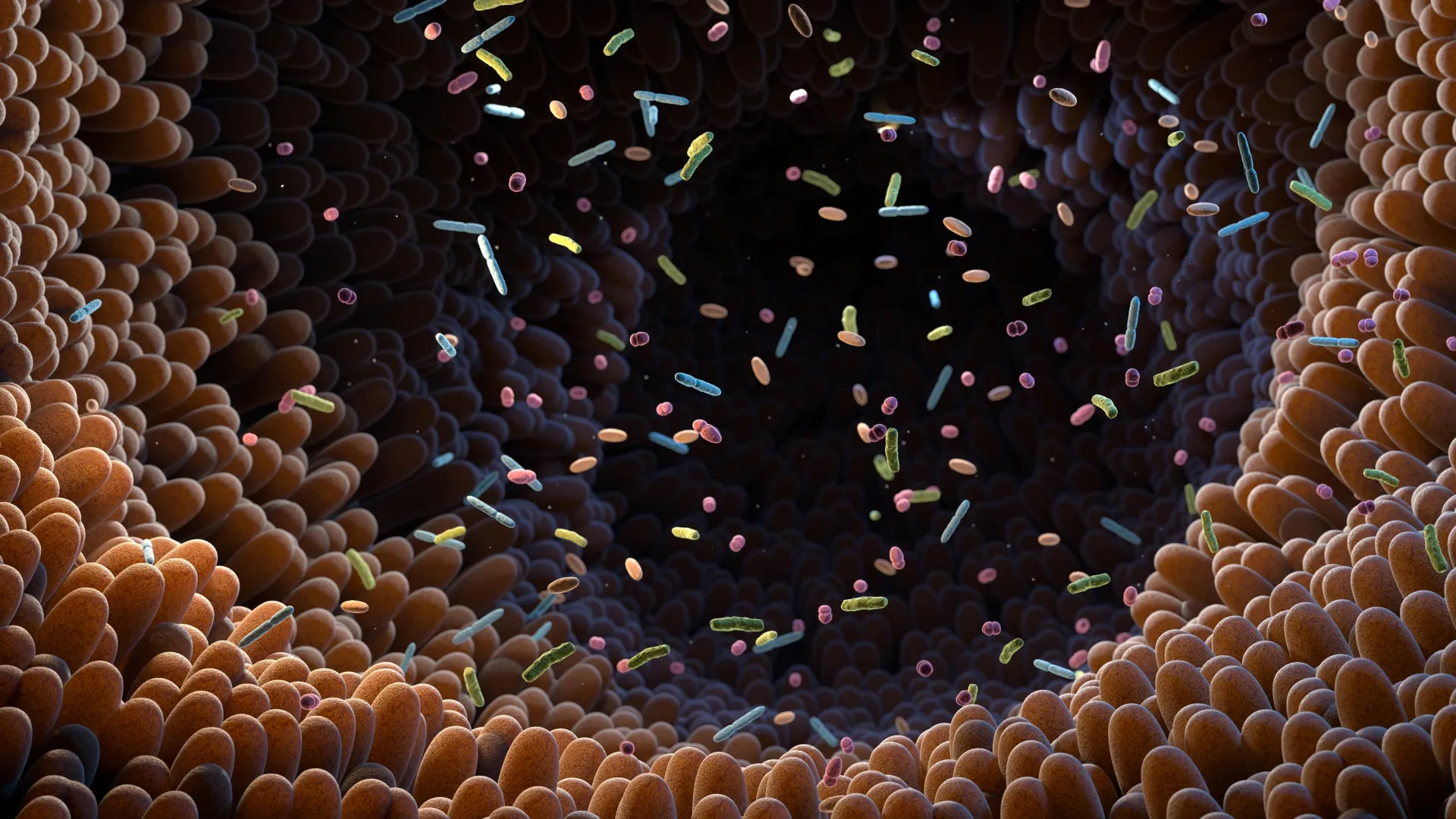
In the complex ecosystem of the human gut, a microscopic revolution is unfolding. Researchers at the Karolinska Institutet in Sweden have unveiled a groundbreaking discovery that bridges the gap between nutrition and systemic health. According to a study published in the prestigious journal Cell, gut microbes act as sophisticated metabolic chemists, transforming common dietary components—nitrate and non-haem iron—into potent, biologically active molecules known as dinitrosyl iron complexes (DNICs).
This discovery offers a compelling explanation for the long-observed health benefits of plant-based diets. By converting the nutrients found in leafy greens and legumes into protective compounds that circulate throughout the body, our internal microbiome may be the primary engine driving the prevention of cardiovascular and metabolic diseases.
The Chemistry of Health: Main Facts
At the heart of this research is the interaction between nitrate and iron. Nitrate is a staple of a heart-healthy diet, abundant in beetroot, spinach, rocket, and lettuce. Simultaneously, non-haem iron—the iron found in beans, whole grains, and various green vegetables—is a critical mineral for human physiology.
Until now, the metabolic pathway connecting these specific nutrients to organ protection was poorly understood. The Karolinska Institutet team found that when these two dietary components reach the gut, specific bacteria facilitate a chemical reaction that synthesizes DNICs. These molecules are not merely waste products; they are highly active agents that the body absorbs into the bloodstream. Once in circulation, these DNICs migrate to vital organs, with the liver and kidneys serving as primary reservoirs.
This mechanism suggests that the "protective" nature of a salad is not just about the nutrients themselves, but about the chemical transformation facilitated by the microbiome. Without the bacterial "middlemen," these health-promoting molecules would simply never be formed.
Chronology of Discovery: From Germ-Free Mice to Clinical Potential
The path to this discovery was characterized by a multi-disciplinary approach, utilizing everything from synthetic cell models to complex animal studies.
The Germ-Free Breakthrough
The pivotal moment in the study occurred when researchers examined germ-free mice—animals bred in sterile environments to lack a microbiome. In these subjects, the team found a total absence of DNICs, regardless of the dietary intake of nitrate and iron. This was a "eureka" moment: the presence of gut microbes was not merely helpful; it was an absolute requirement for the production of these complexes.
Validating the Findings
Following the initial identification of the microbe-DNIC link, the researchers utilized advanced analytical techniques to detect the molecules across various tissue types. Once they confirmed the presence and distribution of DNICs in biological systems, the next step was to test their therapeutic potential. By supplementing animal models with either high-nitrate and iron-rich diets or direct synthetic DNIC, the team began to map the clinical outcomes of increased DNIC levels.
Supporting Data: Why DNICs Matter
The clinical observations resulting from elevated DNIC levels were striking. In animal models suffering from cardiovascular and metabolic dysfunction, the introduction of DNICs triggered a cascade of positive physiological changes.
Key Health Markers Observed:
- Cardiovascular Stability: The researchers observed a significant reduction in blood pressure and a marked improvement in vascular function. These improvements suggest that DNICs may help keep arteries flexible and resilient.
- Metabolic Regulation: There was a noted improvement in blood sugar control, indicating that the molecules play a role in glucose homeostasis.
- Hepatic Protection: The study recorded a reduction in fat accumulation within the liver, a critical factor in preventing non-alcoholic fatty liver disease (NAFLD) and related metabolic disorders.
These data points serve as a crucial validation of the "diet-microbiome-health" hypothesis. By quantifying these improvements, the researchers provided a clear biological rationale for why populations adhering to plant-heavy diets show lower mortality rates for heart-related conditions.
Official Responses and Expert Insight
The findings carry significant weight within the scientific community, primarily due to the stature of the researchers involved and the rigor of the methodology.
"Our results show that gut bacteria can convert components in food into biologically active molecules that influence important bodily functions," says Andrei L. Kleschyov, Senior Researcher at the Department of Physiology and Pharmacology at Karolinska Institutet, and the study’s first and co-corresponding author.
Professor Mattias Carlström, a leading voice in cardiorenal physiology and a co-corresponding author of the study, emphasized the broader implications of the work. "Among other things, we observed lower blood pressure and improved vascular function, better blood sugar control and reduced fat accumulation in the liver. The results help to explain why a diet rich in vegetables, which contain both nitrate and iron, is linked to a lower risk of several diseases."
The collaborative nature of the study, which included partners from the University Medical Centre Hamburg-Eppendorf and the Johannes Gutenberg University Medical Centre Mainz in Germany, underscores the global interest in understanding how the microbiome dictates metabolic outcomes.
Implications: A New Era for Preventative Medicine
The implications of this research are vast, potentially shifting the focus of nutritional science from "what we eat" to "what our bacteria do with what we eat."
Precision Nutrition
If the production of DNICs is dependent on specific gut bacteria, it opens the door to precision nutrition. In the future, doctors might not just recommend a diet of greens; they might screen a patient’s microbiome to see if they possess the bacterial strains necessary to synthesize DNICs. For those lacking these microbes, treatments could eventually include targeted probiotics or microbial therapies designed to restore this vital metabolic pathway.
The Challenge of Human Translation
While the results are promising, the researchers remain cautious. Much of the current data is derived from experimental models. Transitioning these findings to human clinical practice involves significant hurdles. The team acknowledges that they must first develop reliable, non-invasive methods to measure DNIC levels in human patients.
"The next goal is to develop reliable ways to measure DNIC levels in people," the team noted in their post-study briefing. "We want to learn more about how the molecules are produced, how they move through the body, and how they influence different physiological processes."
Future Research Directions
The scientific community is now poised to investigate several critical questions:
- Microbial Diversity: Which specific bacterial species are the primary producers of DNICs?
- Dietary Synergies: Can we optimize the intake of nitrate and iron to maximize DNIC production without causing imbalances in other areas of health?
- Preventative Intervention: Can changing the gut microbiota through prebiotics or lifestyle interventions be used as a primary strategy to prevent the onset of chronic cardiovascular and metabolic diseases?
Conclusion: The Microbiome as a Metabolic Ally
The Karolinska Institutet’s discovery marks a paradigm shift in how we perceive the relationship between our diet and our health. We are no longer just consuming food for the sake of its caloric or basic nutritional content; we are providing the raw materials for a microscopic workforce within us.
By confirming that gut microbes synthesize DNICs from common vegetables, the researchers have illuminated a previously dark corner of human physiology. While more human trials are needed, the prospect of managing cardiovascular risk through the modulation of the gut-nitrate-iron axis is an exciting frontier.
This research, supported by a coalition of international health foundations including the Swedish Heart-Lung Foundation and the European Research Council, stands as a testament to the power of basic research to clarify the complex mechanisms of human survival. As we continue to decode the "language" of the microbiome, one thing is becoming increasingly clear: a healthy life may depend as much on the health of our gut bacteria as it does on the choices we make at the dinner table.
For now, the advice remains consistent with historical wisdom—eat your greens. But we now have the scientific evidence to understand that, in doing so, we are fueling a sophisticated internal chemical laboratory that works tirelessly to protect our hearts, livers, and metabolic systems from the ravages of modern disease.