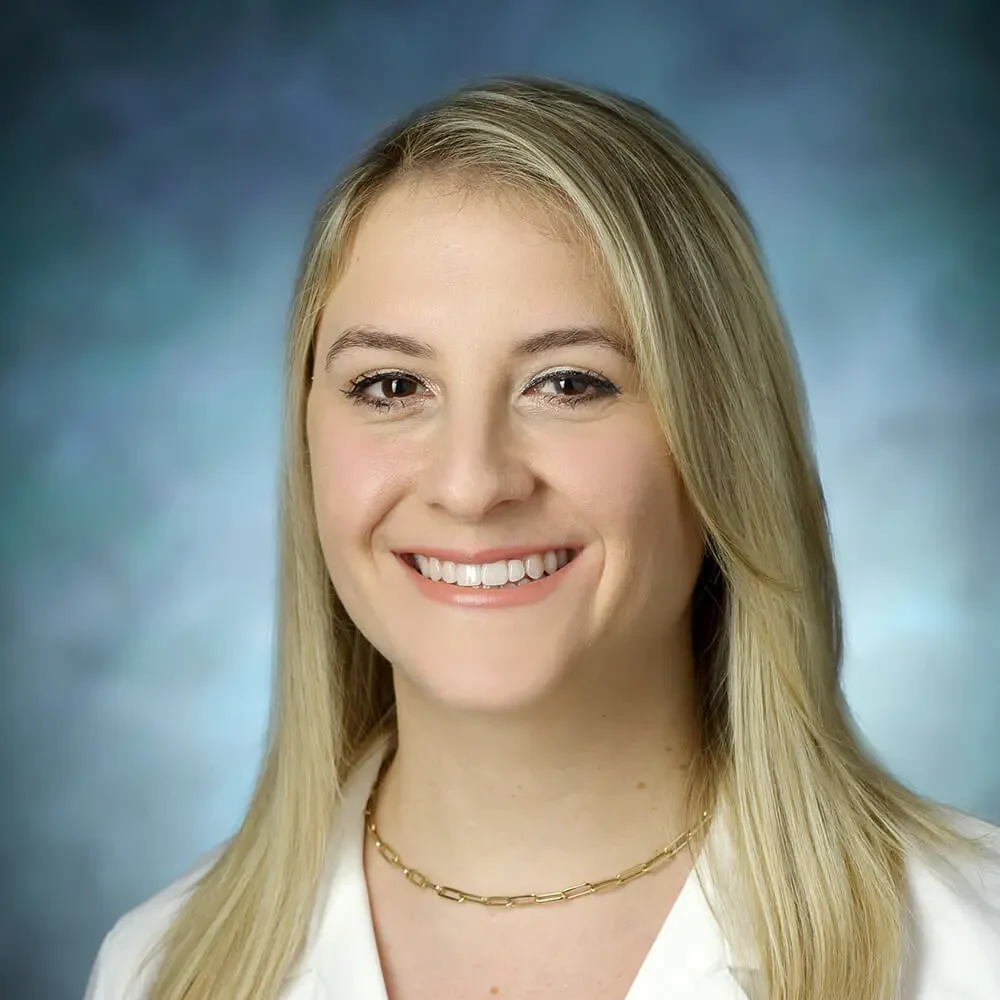
The era of “one-size-fits-all” oncology is rapidly drawing to a close. For decades, cancer treatment protocols were dictated by aggregate data—clinical trials that measured the success of therapies across broad populations. But as medicine enters a new age of precision, the focus has shifted from the average patient to the individual. Leading this transformation is Dr. Julie Deutsch, a pathologist and physician-scientist at Johns Hopkins University, who is unlocking a wealth of untapped data within the standard pathology slide to revolutionize how we fight cancer.
The Main Facts: Turning Slides into Predictive Tools
At the core of Dr. Deutsch’s research is a simple yet profound premise: the tissue samples already collected during routine biopsies contain far more information than the human eye can discern. While a pathologist traditionally examines these slides to diagnose the presence and type of cancer, Dr. Deutsch views them as high-resolution digital maps of a patient’s unique biological landscape.
Supported by the prestigious Cancer Research Institute (CRI) STAR award, Dr. Deutsch is integrating traditional pathology with advanced computational biology and machine learning. Her goal is to develop “tissue-based biomarkers” that go beyond simple identification. These tools are designed to predict—with unprecedented accuracy—how a specific patient will respond to immunotherapy or chemotherapy. By identifying early signs of treatment resistance or tumor sensitivity, Dr. Deutsch aims to provide clinicians with a “GPS” for cancer treatment, allowing them to pivot strategies before a patient suffers the toxicity of an ineffective drug.
A Chronology of Discovery: From the Lab Bench to Machine Learning
The trajectory of Dr. Deutsch’s career reflects the rapidly shifting landscape of modern medicine. Her path began with a deep immersion in the traditional practice of pathology—the study of disease through the examination of organs, tissues, and bodily fluids.
- The Early Years: During her formative training, Dr. Deutsch mastered the art of visual diagnosis. She spent thousands of hours at the microscope, learning the morphological signatures of malignancy. It was here that she first recognized the gap between diagnostic pathology and therapeutic decision-making.
- The Recognition of the Data Gap: Early in her career, she noted that while pathologists provided critical labels for tumors, they were often unable to provide the predictive data necessary for oncologists to choose the best treatment path. This realization sparked a desire to bridge the divide between laboratory discovery and bedside application.
- The Pivot to Computational Biology: As the field of oncology moved toward genomic sequencing, Dr. Deutsch realized that pathology had to evolve. She began exploring how computational approaches—specifically machine learning—could quantify the spatial architecture of tumors. This was a departure from her original clinical path, but one necessitated by the complexity of the data she was investigating.
- The CRI STAR Award (2025–2026): The receipt of the Cancer Research Institute’s STAR award served as a catalyst, providing not just the financial backing but the intellectual freedom to pursue a cross-disciplinary approach. This award allowed her to assemble the technical infrastructure necessary to apply deep learning algorithms to thousands of archival tissue slides, effectively "teaching" computers to see patterns that no human pathologist could identify manually.
Supporting Data: The Power of Precision
The urgency of Dr. Deutsch’s work is underscored by the current limitations of oncology. Data indicates that a significant percentage of patients undergo intensive treatments—such as immunotherapy—without seeing a positive response, often experiencing significant, and sometimes life-altering, side effects in the process.
Recent preliminary studies in precision medicine suggest that:
- Spatial Complexity: Tumors are not homogenous; they are complex ecosystems. Dr. Deutsch’s research focuses on the spatial arrangement of immune cells relative to tumor cells, which can be a more powerful predictor of survival than genetic mutations alone.
- Implementation Efficiency: Research into biomarker utility shows that the "time-to-action" is a critical factor in patient outcomes. By utilizing tissue that is already collected during standard-of-care procedures, Dr. Deutsch’s approach avoids the need for invasive, repeat biopsies, significantly reducing patient burden and logistical hurdles.
- Machine Learning Accuracy: In experimental settings, AI-driven image analysis has shown the potential to predict treatment response with a sensitivity and specificity that exceeds traditional scoring systems. The challenge, which Dr. Deutsch is currently addressing, is moving these algorithms from controlled datasets to the messy, real-world reality of hospital pathology labs.
Official Perspectives: The Philosophy of the STAR Program
The Cancer Research Institute (CRI) STAR program was specifically designed to support researchers like Dr. Deutsch—individuals whose work sits at the intersection of high-risk, high-reward innovation. The philosophy behind the program is that traditional funding mechanisms are often too rigid, forcing scientists to define their outcomes before they have even begun the exploratory phase of their research.
"The future is no longer about whether a therapy worked in aggregate," says Dr. Deutsch. "It is now about whether a therapy is working for a specific patient."
This perspective is echoed by the leadership at CRI. By investing in the scientist rather than just the project, the program encourages researchers to follow the data wherever it leads. For Dr. Deutsch, this meant embracing machine learning, a discipline she had not initially planned to incorporate into her career. The freedom to pivot allowed her to integrate computational expertise into her existing pathology workflow, effectively creating a new field of study within her department.
"You don’t want to expose patients to a therapy that they’re not going to benefit from," Dr. Deutsch emphasizes. "Really trying to match the right patient with the right therapy is so critically important. If you’re just flying blind, that’s not good enough for patients."
Implications: Building a Scalable Future
The most ambitious aspect of Dr. Deutsch’s research is not the discovery of the biomarkers themselves, but their implementation. There is a historical "valley of death" in medical research where brilliant discoveries fail to reach the clinic because they are too expensive, too slow, or too reliant on highly specialized equipment found only in top-tier research hospitals.
Dr. Deutsch is committed to avoiding this fate. Her work is focused on developing software-based diagnostic tools that can eventually be deployed at scale. If a hospital has a digital slide scanner—a standard piece of equipment in most modern medical centers—they should, in theory, be able to run her algorithms to get real-time, actionable insights for their patients.
Challenges to Implementation
- Standardization: The variation in how tissues are stained and scanned across different hospitals is a major technical hurdle. Dr. Deutsch is working on "normalizing" these inputs so her algorithms remain robust across diverse medical settings.
- Regulatory Hurdles: Transitioning from research tool to clinical-grade diagnostic software requires rigorous validation and approval.
- Clinical Integration: For these tools to be effective, they must be integrated into the workflow of busy oncologists and pathologists. Dr. Deutsch’s focus on "real-time" utility is a direct response to this need.
A Vision for the Future
As Dr. Deutsch continues her work at Johns Hopkins, the implications for the future of cancer care are immense. We are moving toward a world where a patient’s diagnosis is not just a name for their cancer, but a personalized map that tells their doctor exactly how to intervene.
By looking at the same slides that have been studied for over a century through the new lens of machine learning, Dr. Deutsch is proving that we don’t always need to look for new things to make new discoveries. Sometimes, we just need to look at what we already have in a smarter, more precise way.
Her journey is a testament to the importance of early-stage funding and the power of interdisciplinary collaboration. As she continues to refine her biomarkers and push for their implementation in clinical settings, she brings us closer to a future where the guesswork is removed from cancer treatment—a future where every patient receives the precise, informed, and effective care they deserve.
"I’ve seen the power of having the pathology specimen and what information we can glean from it make a real difference for patients," she says. "Not only in prognosticating them, but also in giving clinicians an opportunity to make decisions based on the pathology that these patients have. I’m excited to see where the journey takes me."