










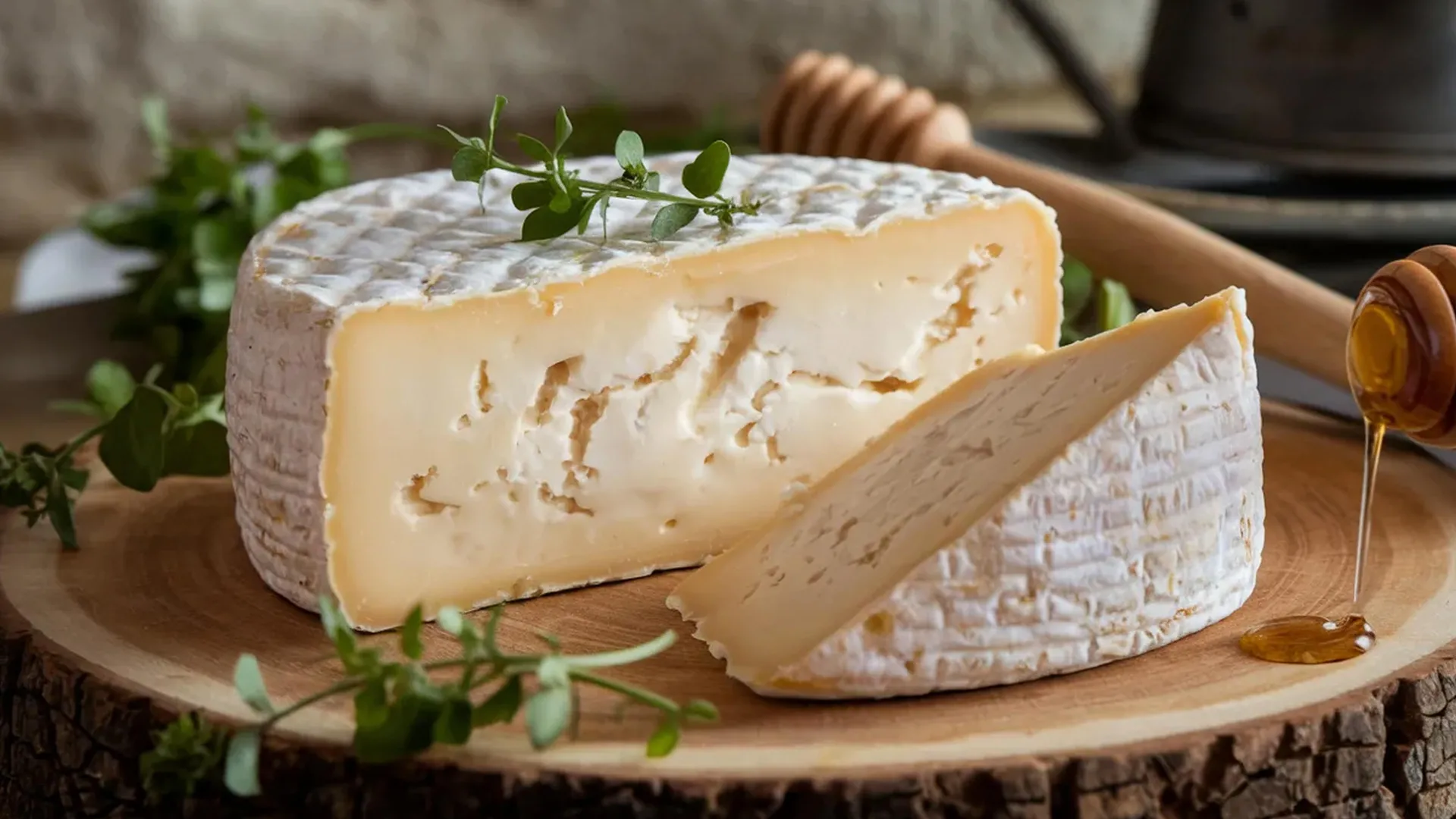
In the rolling pastures of Oxfordshire, a quiet scientific revolution is unfolding inside the aging rooms of the Nettlebed Creamery. While artisan cheese has long been celebrated for its complex flavor profiles—ranging from the subtle, earthy notes of a soft-ripened brie-style wheel to the bold, nutty intensity of a hay-aged hard cheese—new research suggests that these delicacies are far more than just culinary triumphs. They are sophisticated, living ecosystems that may hold the key to better human digestive health.
A groundbreaking study conducted by researchers at the University of Reading has identified the specific microbial communities responsible for the unique characteristics of three distinct British artisan cheeses. More importantly, the findings indicate that these microscopic residents are not merely flavor-builders; they are potential "probiotic powerhouses" capable of surviving the journey through the human digestive tract to support the gut microbiome.
Main Facts: A Symbiosis of Flavor and Function
The study, recently published in the journal ACS Food Science & Technology, offers a deep dive into the biochemical and microbial metamorphosis that occurs during the maturation of artisan dairy. By analyzing three distinct varieties from the Nettlebed Creamery—a soft white-rind cheese, a washed-rind semi-soft cheese, and a semi-hard cheese aged in hay—researchers mapped the transition of bacterial colonies over several months.
At the heart of the discovery is the realization that the matrix of fats and proteins inherent in high-quality artisan cheese serves as a protective shield for beneficial bacteria. Unlike standard industrial dairy products, which are often heavily processed, these artisan varieties retain a vibrant microbial life. These microbes break down proteins and fats during the aging process, creating the complex aromas and textures that connoisseurs prize, while simultaneously harboring strains of bacteria known to promote metabolic and digestive wellness.
Chronology of Maturation: The Microscopic Lifecycle
To understand how these flavors develop, the research team, led by PhD researcher Sabrina Longley, performed longitudinal sampling. They tracked the cheeses from their initial production as fresh curds through to their fully matured states.
The Early Stages: Establishing the Foundation
In the initial weeks, the bacterial landscape is dominated by starter cultures. The researchers found that Streptococcus thermophilus—a bacterium commonly associated with the production of yogurt—remained a dominant force in the semi-soft and hard cheeses throughout their lifespan. Simultaneously, Lactococcus lactis was detected as a constant presence in all three varieties from start to finish. These primary microbes act as the "foundational architects," establishing the pH levels and textural base required for more complex bacteria to thrive later in the process.
The Mid-Maturation Phase: The Rise of Complexity
As the cheeses entered their middle stages of development, the microbial population shifted. In the washed-rind and hay-aged cheeses, Propionibacterium freudenreichii began to flourish. This specific bacterium is responsible for more than just the development of "eyes" (holes) in certain cheeses; it produces propionic acid, a short-chain fatty acid. Current nutritional science links propionic acid to significant health markers, including anti-inflammatory responses, the regulation of cholesterol synthesis, and the modulation of appetite-suppressing hormones.
The Final Stages: The "Hay-Aging" Phenomenon
Perhaps the most striking finding involved the semi-hard cheese aged in hay. As the aging process progressed, the biodiversity of the cheese did not simply stabilize; it exploded. By the time the cheese was fully mature—after roughly nine months—it contained nearly four times as many bacterial species as it had in its nascent stages. The hay-aging process appears to act as a catalyst for microbial colonization, turning a simple dairy product into a dense, biodiverse probiotic supplement.
Supporting Data: Decoding the Chemistry
The University of Reading study did not rely on sensory analysis alone; it utilized rigorous chemical composition mapping to quantify the nutritional shifts within the wheels.
The Lactose Breakdown
One of the most significant findings for the general public concerns lactose intolerance. The researchers discovered that the fermentation process effectively "pre-digests" the lactose present in the raw cow’s milk. By the time these cheeses reached maturity, lactose levels were virtually undetectable. This suggests that even individuals with mild-to-moderate dairy sensitivities might be able to incorporate these specific artisan cheeses into their diets without experiencing the traditional gastrointestinal distress associated with dairy consumption.
The Rind: An Unlikely Prebiotic Source
The study also challenged the common practice of trimming the rind from soft-ripened cheeses. The white mold Penicillium candidum, which gives the soft-rind variety its signature snowy appearance, was found to produce chitin. Chitin is a dietary fiber that functions as a prebiotic. While probiotics are the "good" bacteria themselves, prebiotics act as the "fuel" or substrate that helps these bacteria flourish in the human colon. By consuming the rind, cheese lovers may be providing a critical, fiber-rich boost to their existing gut flora.
Official Responses and Researcher Perspectives
Sabrina Longley, the lead author of the study and a professional cheesemaker at Nettlebed Creamery, occupies a unique position at the intersection of artisanal craft and academic rigor. Her dual role allowed for an unprecedented level of access to the production environment.
"Good cheese is delicious, and the artisan varieties we studied are full of microbial life that could have benefits to your gut health," Longley stated in the official university release. She emphasized that the complexity of the cheese-making process—the aging, the environment, and the raw ingredients—creates a biological vehicle that is far superior to synthetic supplements.
"The matrix of fats and proteins in the cheese may also help protect the bacteria as they travel along the digestive tract," she explained. "When you take a probiotic pill, the bacteria have to survive the harsh acidity of the stomach. In cheese, the fat acts as a buffer, ensuring more of these beneficial microbes reach the gut alive."
The University of Reading’s Food Microbial Sciences Unit highlighted that this study is a prime example of the "Regional Bursary" program in action. By supporting local research, the university aims to bridge the gap between rural production industries and advanced nutritional science, proving that tradition and innovation are not mutually exclusive.
Implications: The Future of "Functional Foods"
The implications of this research are twofold: they provide a new scientific validation for the artisan food movement and offer a potential pathway for future dietary interventions.
Moving Beyond the "Probiotic Pill"
For decades, the health and wellness industry has pushed for isolated probiotic supplements. However, the Reading study suggests that "food synergy"—the way nutrients and microbes interact within a whole food—may be the more effective route. By consuming a complex food like artisan cheese, consumers are not just ingesting a single strain of bacteria; they are ingesting a diverse, balanced community of microbes along with the prebiotics (like chitin) needed to keep them active.
The Need for Further Intervention
While the results are promising, the researchers are cautious. The study established the presence and survival of these microbes in the cheese, but it did not yet conduct clinical dietary intervention trials. The next phase of research will need to observe human subjects over time to determine exactly how these bacterial populations colonize the human gut after consumption and what measurable systemic effects they have on human health markers.
Economic and Culinary Impact
For the artisan cheese industry, this research provides a powerful marketing narrative. It elevates cheese from a "guilty pleasure" or a high-calorie indulgence to a "functional food"—a category that includes products specifically marketed for their health-promoting properties. As consumers become increasingly wary of ultra-processed foods and artificial supplements, the "naturally functional" appeal of traditional farmhouse cheeses could see a significant surge in demand.
Conclusion
The study at the University of Reading serves as a timely reminder that our ancestors’ methods of food preservation were often far more sophisticated than we realized. By allowing nature to take its course—harnessing the power of raw milk, natural rinds, and the unique bacterial flora of the Oxfordshire countryside—cheesemakers have been creating health-promoting products for centuries.
As we look toward the future of nutrition, the humble artisan wheel of cheese may prove to be one of our most valuable allies. It is a testament to the idea that the most effective health interventions are often those that require the least amount of processing, relying instead on the complex, living, and delicious work of microbial artisans. While further clinical trials are the necessary next step, one thing is clear: the next time you sit down to a cheeseboard, you may be doing your gut microbiome a significant favor.