











Most modern pandemics share a common, ominous origin story: a "spillover" event. This is the moment a virus—typically circulating harmlessly within a reservoir species like bats—crosses the biological threshold into human populations. While the transition from animal host to human victim has long been recognized as the primary engine of zoonotic disease, the precise biological mechanisms that allow a virus to suddenly pivot from infecting a bat to devastating a human city have remained shrouded in mystery.
Now, a groundbreaking collaborative study involving researchers from the UCSF Quantitative Biosciences Institute (QBI), the Icahn School of Medicine at Mount Sinai, the Institut Pasteur, and the Fred Hutchinson Cancer Center has pulled back the curtain on this process. Published in the journal Cell Host & Microbe, the findings reveal that a remarkably small genetic mutation—a change in just one amino acid—can act as a molecular switch, determining whether a coronavirus remains a minor nuisance to its host or transforms into a pandemic-level pathogen.
The Architecture of Spillover: A Tiny Genetic Difference
The research team, led by Nevan J. Krogan, PhD, director of QBI, focused on the stark contrast between SARS-CoV-2, the virus responsible for COVID-19, and RaTG13, a closely related coronavirus found in horseshoe bats. While both viruses share a common ancestry, RaTG13 is known only to infect bats, whereas SARS-CoV-2 displayed a terrifying efficiency in exploiting human biology.
The researchers hypothesized that the key to this difference lay in how these viruses interact with host immune systems. To test this, they utilized a technological milestone: the first-ever laboratory-grown lung cell line derived from the greater horseshoe bat. This allowed the team to conduct a "side-by-side" comparison of how these two viruses behave when they encounter the cellular defenses of their respective hosts.
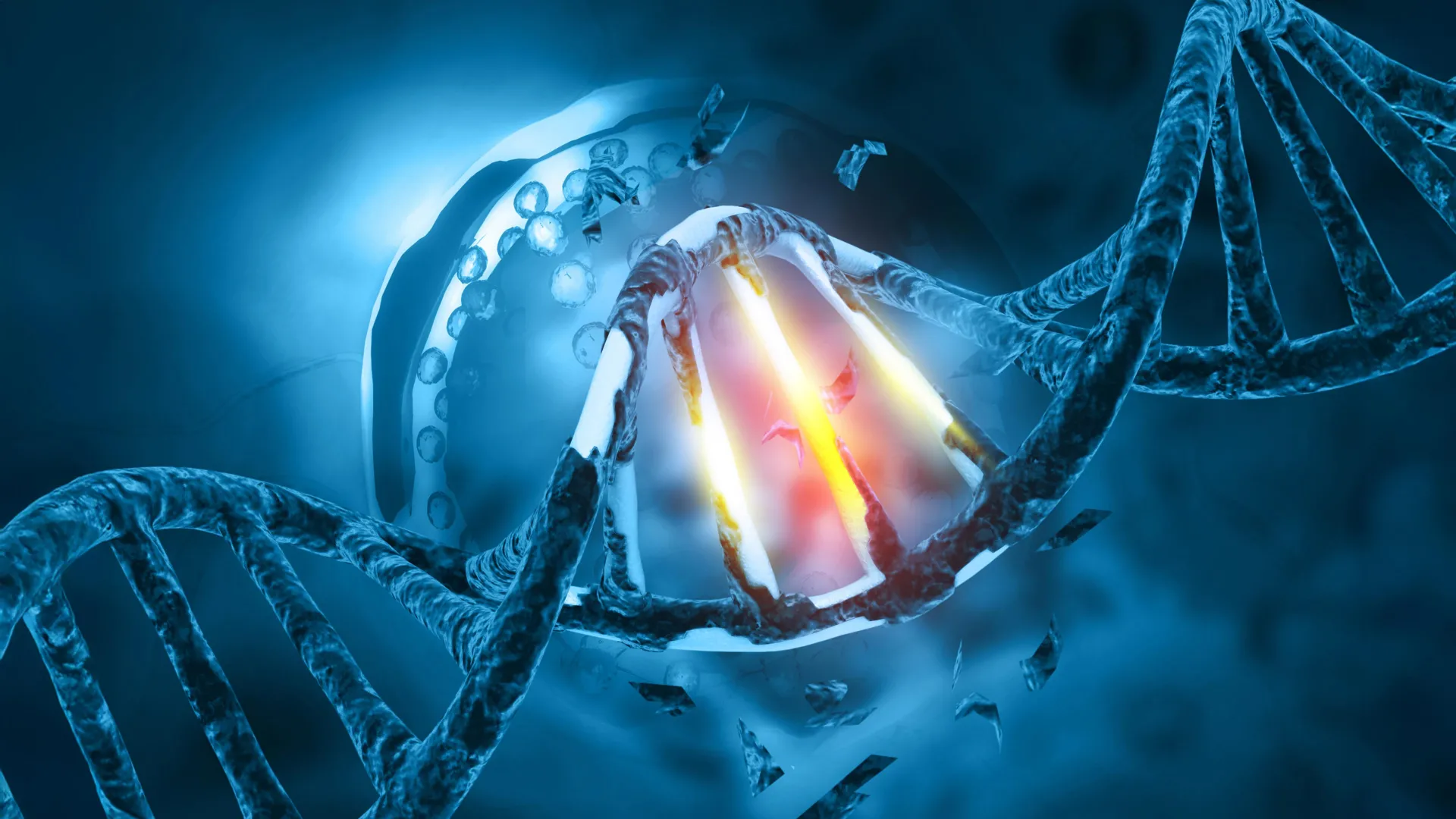
The investigation centered on a specific viral protein known as OrfB9. Upon mapping the protein structures of both SARS-CoV-2 and RaTG13, the team discovered that the two versions were nearly identical. Out of approximately 100 amino acids that constitute the protein, they differed by only one. This single discrepancy, however, created a chasm in biological outcomes.
Chronology of a Viral Adaptation
To understand the trajectory of this research, it is helpful to look at the timeline of scientific discovery that preceded these findings.
The Foundation of Comparative Virology
Following the emergence of SARS-CoV-2 in 2019, the global scientific community rushed to catalog the viral landscape of wild animals. Scientists identified RaTG13 as the closest known relative to the human-infecting virus, providing a perfect "control" for evolutionary studies. However, for years, researchers lacked the experimental models—specifically, healthy, lab-grown bat cells—to test how these viruses actually functioned in a live, cellular environment.
The Development of Bat Cell Models
The breakthrough came when the team successfully established lung cell lines from the greater horseshoe bat. This was no small feat; primary bat cells are notoriously difficult to culture. Once the model was stable, the team began the grueling process of mapping the protein-protein interactions (the "interactome") of SARS-CoV-2 and RaTG13.
The Discovery of the OrfB9 Switch
By late 2023 and into 2024, the team began observing the behavior of OrfB9. They noted that when the SARS-CoV-2 version of the protein entered human lung cells, it effectively "blinded" the host’s immune system, shutting down an essential alarm system known as the interferon response. This allowed the virus to replicate unchecked. Conversely, when the RaTG13 version was introduced to bat cells, it triggered a protective immune protein, effectively neutralizing the virus’s ability to replicate rapidly.
Supporting Data: Why Small Mutations Matter
The data presented in Cell Host & Microbe offers a compelling argument for the "molecular switch" theory. In the laboratory environment, the researchers demonstrated that the single amino acid substitution in OrfB9 was sufficient to flip the virus’s behavior.
When the researchers swapped the specific amino acid in the RaTG13 OrfB9 protein for the one found in SARS-CoV-2, the bat virus suddenly gained the ability to suppress immune responses in human cells. This suggests that the evolutionary path from a bat-restricted virus to a human-pathogenic virus may be much shorter than previously thought.
The study also highlights the complexity of the "arms race" between viruses and their hosts. The immune system, particularly in long-lived mammals like bats, has evolved sophisticated ways to coexist with viruses. When a virus mutates to bypass these checkpoints—as SARS-CoV-2 did with its OrfB9 modification—the host’s defensive architecture collapses. The study provides quantitative proof that these subtle protein interactions are the primary determinants of host range and, ultimately, zoonotic potential.
Official Responses and Scientific Perspective
The implications of this study have resonated throughout the virology community. Dr. Nevan J. Krogan emphasized that this research represents a shift toward a predictive, rather than reactive, approach to pandemic prevention.
"The difference between a virus that stays in bats and one that spills over into humans and causes catastrophic disease can come down to remarkably small genetic changes," Dr. Krogan stated. "By mapping these interactions at the protein level—across two viruses and two species—we can read the molecular signatures that predict spillover risk. It’s the kind of early warning system the world needs."
Other researchers not involved in the study have praised the use of the bat lung cell line, noting that it solves a persistent problem in animal virology: the "species gap." By using actual bat tissues rather than relying solely on computer simulations, the team has provided a high-fidelity map of the biological barriers that prevent cross-species transmission.
Implications for Future Pandemic Preparedness
The identification of OrfB9 as a critical factor in spillover has significant implications for how we monitor the animal kingdom for the next "Disease X."
Refining Viral Surveillance
Currently, global viral surveillance focuses heavily on sequencing the genomes of viruses found in wildlife. This study suggests that sequencing alone is insufficient. While a virus might look similar to a human pathogen on paper, it is the interaction of its proteins with human host proteins that defines its risk. Future surveillance efforts may need to prioritize functional testing of viral proteins, particularly those involved in immune evasion.
Drug Target Discovery
Beyond surveillance, the study opens new avenues for therapeutics. If scientists can identify the exact "switches" that viruses use to suppress human immune systems, they can develop drugs that block those specific viral proteins. By stabilizing the immune alarm systems that OrfB9 attempts to shut down, clinicians might be able to stop a viral infection in its tracks before it escalates into severe disease.
Understanding Evolutionary "Tipping Points"
Finally, the research underscores the volatility of viral evolution. It suggests that many animal coronaviruses may be closer to human-compatibility than we assume, requiring only a single, accidental mutation to bridge the gap. This highlights the importance of maintaining ecological boundaries and reducing human encroachment into wild habitats, where these natural experiments in viral evolution are constantly occurring.
Conclusion
The work of the UCSF-led team serves as a sober reminder of the fragility of human health in the face of microscopic changes. By isolating the single amino acid responsible for the OrfB9 immune-suppression mechanism, the researchers have moved the field of pandemic prevention into a new era of precision.
We are no longer looking for "black boxes" of unknown viruses; we are learning to read the molecular language of spillover. While the world continues to grapple with the aftermath of COVID-19, this research provides a roadmap for identifying the next potential threat. In the ongoing contest between human immunity and viral evolution, these findings offer a vital, if narrow, window of opportunity to intervene before the next pandemic begins.
Acknowledgments and Credits
This research was made possible through the intensive collaboration of a multidisciplinary team of scientists from UCSF, Mount Sinai, Institut Pasteur, and Fred Hutchinson Cancer Center. Key contributors included Jyoti Batra, Yuan Zhou, Rithika Adavikolanu, and many others listed in the study’s full metadata.
Funding: This work was supported by the National Institutes of Health (grants U19AI135990, U19AI135972, U54AI170792, and others), the Howard Hughes Medical Institute, the James B. Pendleton Charitable Trust, the Roddenberry Foundation, the Gladstone Institutes, Fast Grants, the Innovative Genomics Institute, the Chan Zuckerberg Biohub—San Francisco, and the ANR EmerCoV program.