









For millennia, human beings relied on the subtle language of the body—a thumping heart, labored breath, or the dull ache of muscle fatigue—to gauge their physical state. Today, that internal monologue has been supplemented, and often replaced, by a digital interface. Whether it is a sleek smartwatch, a ring tracker, or a smartphone app, we now live in the age of the "quantified self," where heart rate, step count, sleep quality, and caloric expenditure are just a glance away.
While these devices serve as a bridge between subjective feeling and objective reality, they have introduced a complex paradox: the more data we collect, the more we risk losing touch with our innate ability to understand ourselves.
The Evolution of Self-Assessment
Historically, our ancestors were masters of their own biometrics. A hunter-gatherer did not need a heart rate monitor to understand their exertion level; they knew instinctively when to push and when to recover. Today, however, our perception of our own behaviors is frequently skewed. We are often poor at quantifying our lived experiences with precision.
Consider the "barbecue sauce phenomenon." One individual may believe they are operating within a strict caloric deficit, only to discover through meticulous tracking that they are consuming an extra 500 calories daily through hidden sources. In this context, technology acts as an essential "truth serum," stripping away the cognitive biases that often cloud our self-perception.
Yet, there are exceptions. Some individuals possess an uncanny, almost superhuman ability to self-calibrate. Legendary Canadian sprinter Ben Johnson was famously reported to be able to predict his 100-meter dash times within a tenth of a second of the official stopwatch. While this is an outlier performance, it begs the question: how can the average person close the gap between their subjective "feel" and objective reality?
The Hierarchy of Reliability: When Data Matters
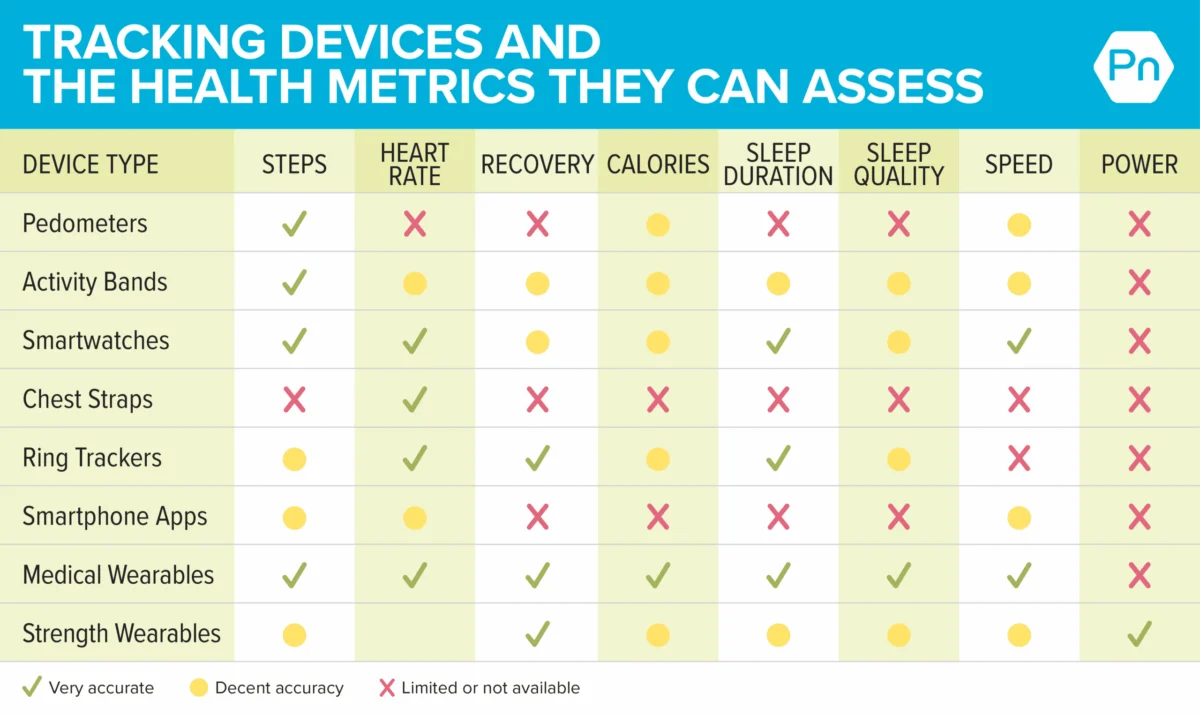
Not all data is created equal. The market is saturated with devices, but their utility varies wildly based on hardware precision and software sophistication.
Core Metrics vs. Estimates
Heart rate and step-counting technology have reached a level of maturity where they are considered highly reliable for the average user. However, when we move into more complex outputs—such as "calories burned," "readiness scores," or "movement velocity"—the margin for error expands significantly.

For the data-conscious, it is vital to distinguish between raw sensor data (like a pulse) and derived metrics (like "sleep quality"). The former is a measurement; the latter is an algorithm. When we rely too heavily on algorithmic interpretation, we are essentially outsourcing our intuition to a software developer’s assumptions.
The Paradox of Information: The Inverted U-Curve
Computer scientist Samantha Kleinberg, a leading voice in the study of decision-making, notes a critical phenomenon: the "information overload" effect. There is a sweet spot in data acquisition. Too little information leaves us flying blind, but an excess of data can lead to "analysis paralysis."
This is often visualized as an inverted U-curve. At the peak of this curve, we have enough information to make informed decisions without being overwhelmed. As we descend the other side of the curve, our ability to make sound choices diminishes because the sheer volume of variables—"should I sleep 15 minutes longer based on my recovery score?" or "should I skip this meal because my caloric burn is low?"—creates unnecessary cognitive load.
Three Signs Tracking is Helping (or Hurting) You
If you are currently using a wearable device, how do you know if it is an asset or a burden? Here are three diagnostic signs.
1. The Validation of Method
For those who struggle with "imposter syndrome" in their training, tracking can be a powerful tool for confidence. Take the case of an athlete who refuses to believe that "easy" cardio is effective. When they see their resting heart rate steadily decline and their recovery speed improve over several weeks, the data validates their process. It removes the anxiety that they aren’t "doing enough." Conversely, if you find yourself stressed by poor sleep scores that you cannot control (such as caring for a newborn), the tracker is no longer a tool; it is a source of psychological tax.
2. The Behavioral Prompt
Behavioral science dictates that for any action to occur, you need motivation, ability, and a prompt. Trackers excel at providing the prompt. If you have the desire to sleep better, seeing a clear correlation between late-night wine consumption and poor REM sleep cycles acts as a powerful behavioral trigger. It makes the invisible visible. However, if the data causes you to lose the "joy of the sport"—such as a cyclist who stops riding for fun because they are obsessed with beating local leaderboard records—you have reached a point of diminishing returns.
3. Deepening Self-Understanding
Data should be a window, not a wall. It should help you understand when you are truly fatigued versus when you are just experiencing mental lethargy. By comparing your RPE (Rate of Perceived Exertion) against your heart rate data, you can learn to distinguish between "junk volume"—training that adds fatigue without progress—and high-quality, productive movement.

Bridging the Gap: A Three-Step Framework
To ensure that technology serves you rather than controls you, consider these three practices to refine your internal calibration.
Check In Before You Check Out
Before you glance at your watch after a run or a meal, pause. Ask yourself: "How do I feel? How hard was that? Am I satiated?" Once you have formed a subjective hypothesis, look at the data. This simple pause forces your brain to engage its own prediction-making machine, slowly narrowing the gap between your biological awareness and digital feedback.
Utilize Mental Shortcuts
Elite coaches often use simple, subjective questions to gauge capacity, such as: "If I offered you a million dollars to do one more rep, could you do it?" This isn’t just a gimmick; it’s a way to tap into your true physiological limit. Over time, you can map these subjective "feelings" to your objective RPE scores to create a mental shortcut that doesn’t require a device to execute.
Reconnect with Sensory Feedback
Technology has sensors, but you have a nervous system. You possess proprioception (the sense of where your body is in space), interoception (the sense of internal state), and vestibular feedback. These are sophisticated, millions-of-years-old systems. Make a conscious effort to train without tech at least once a week. Learn to listen to the "feedback" of your muscles and your energy levels.
The Future of the Quantified Self
The ultimate goal of fitness tracking should not be the accumulation of data, but the cultivation of self-mastery. The most successful athletes and health-conscious individuals are not those who are most dependent on their apps, but those who use their apps to become more attuned to their own biology.
When the technology inevitably evolves—or when your battery dies—you should be left with a better understanding of how your body functions than when you started. If a device helps you listen to your body more closely, it is a success. If it forces you to stop listening to yourself in favor of a screen, it is time to recalibrate.
The most sophisticated piece of technology you will ever own is not on your wrist; it is the human machine itself. Use your tools to learn its language, and eventually, you will find that you no longer need the translation.