




For decades, serotonin has been framed as the body’s "feel-good" chemical, a critical neurotransmitter governing mood, sleep, and digestion. However, a wave of research initiated in 2023 has unveiled a more complex and potentially hazardous role for this molecule: it may be a silent driver of structural heart disease. Recent scientific investigations suggest that when serotonin signaling is disrupted—particularly in the context of degenerative mitral regurgitation (DMR)—it may accelerate the deterioration of the very valves that keep our blood flowing in the right direction.
The Anatomy of a Heart Valve Crisis
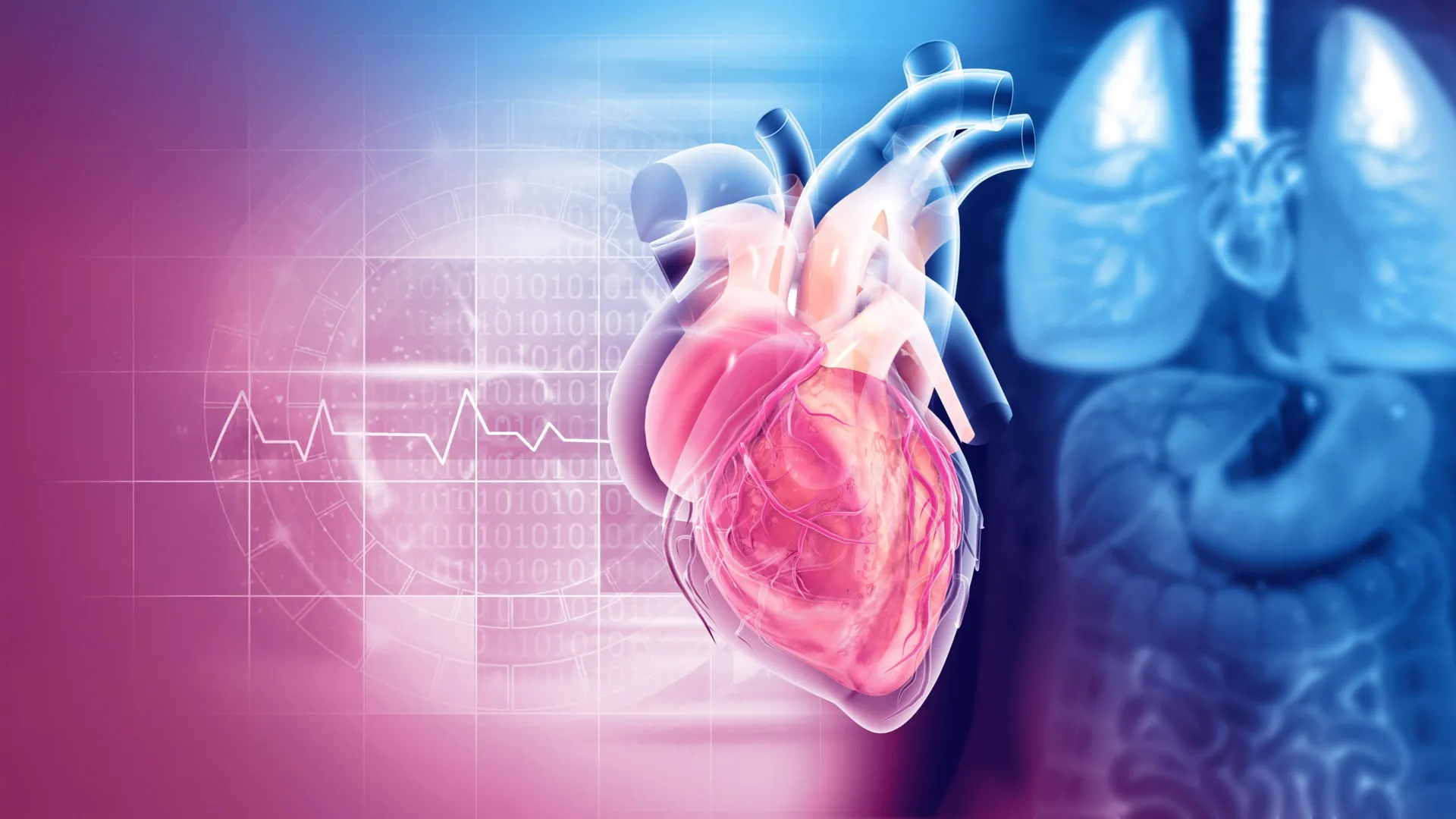
To understand the gravity of these findings, one must first appreciate the mitral valve’s role. Situated between the heart’s left atrium and left ventricle, this structure acts as a sophisticated, one-way gate. Every time the heart beats, the mitral valve must snap shut to prevent oxygen-rich blood from surging backward into the lungs.
In patients with degenerative mitral regurgitation (DMR), this mechanism fails. The thin, flexible tissue of the valve flaps begins to thicken, stretch, or warp, preventing a complete seal. As the valve leaks, the heart is forced to work overtime to maintain circulation. This chronic strain can lead to debilitating fatigue, shortness of breath, and eventually, severe complications like atrial fibrillation and congestive heart failure. While current medical interventions can manage symptoms, they offer no cure for the underlying tissue degeneration. As Dr. Giovanni Ferrari, scientific director of the Cardiothoracic Research Program at Columbia University, notes: "Certain medications can ease the symptoms, but they do not treat the mitral valve itself. If the degeneration becomes severe, surgery is the only path."
A Chronology of Discovery: From 2023 to 2026
The bridge between serotonin and heart health began to take shape in 2023, when a multi-institutional team led by Columbia University, the Children’s Hospital of Philadelphia (CHOP), and the University of Pennsylvania published a landmark study in Science Translational Medicine.
2023: The Initial Association
Researchers hypothesized that the serotonin transporter (SERT)—the protein responsible for "cleaning up" serotonin after it sends a signal—might be the missing link. Because Selective Serotonin Reuptake Inhibitors (SSRIs) like Prozac and Zoloft work by inhibiting SERT to keep serotonin levels high in the brain, the team questioned whether this same mechanism might unintentionally affect heart valve cells, which are also equipped with serotonin receptors.
2024: Expanding the Scope of Fibrosis
Following the initial findings, research expanded into the cellular mechanisms of cardiac remodeling. A 2024 study demonstrated that mice with SERT deficiencies were uniquely susceptible to fibrosis—the buildup of stiff, scar-like tissue—in both their heart valves and the left ventricular muscle. This study identified the HTR2B receptor as a primary driver of this damage, suggesting that the problem was not merely isolated to the mitral valve but could affect the heart’s broader structural integrity.
2025: Aortic Stenosis and Serum Levels
The investigative focus shifted to the aortic valve, which regulates blood flow leaving the heart. A study published in 2025 compared patients with severe aortic stenosis to a control group, finding that those with the most severe valve disease exhibited significantly higher serum levels of serotonin. While the study was small (76 participants), it suggested that serotonin signaling might be a universal, rather than isolated, factor in valvular pathology.
2026: The Search for Therapeutic Targets
By early 2026, the scientific community had begun exploring potential drug targets. Researchers identified that in diseased aortic valves, SERT expression was reduced while HTR2B signaling was heightened. In laboratory models, blocking the HTR2B pathway helped preserve valve structure. This marked a significant pivot from observational studies to the identification of a potential therapeutic target, though researchers caution that these compounds are far from clinical application.
Supporting Data: Genetic Vulnerability and Clinical Evidence
The evidence linking serotonin to valve disease is supported by a combination of clinical data and genetic analysis. When the 2023 research team reviewed the records of over 9,000 patients who underwent mitral valve surgery, they discovered that those taking SSRIs required surgical intervention at a significantly younger age than those who were not.
The 5-HTTLPR Genetic Marker
Crucial to this discovery was the analysis of the 5-HTTLPR region of the SERT gene. This region dictates how active the serotonin transporter is. The researchers identified a specific "long-long" variant of this gene associated with lower transporter activity.
Patients with DMR who possessed this genetic profile were not only more likely to undergo surgery, but their valve cells showed an exaggerated response to serotonin in the lab. These cells produced excess collagen, the "building block" of the stiffening and thickening observed in degenerated valves. Furthermore, these cells were found to be hypersensitive to SSRIs, suggesting that for a subset of the population, the standard "feel-good" medication might inadvertently accelerate a "heart-bad" process.
The 2026 Meta-Analysis
A systematic review and meta-analysis published in 2026 provided a bird’s-eye view of the field. By pooling multiple clinical studies, the authors reported an odds ratio of 2.76 between the use of SERT-modifying drugs and the presence of heart valve disease. While an odds ratio does not confirm direct causation, the consistency of the findings across various studies has solidified the necessity for further rigorous investigation.
Official Perspectives and Medical Implications
Despite these compelling findings, experts are quick to emphasize the limitations of the data. Dr. Ferrari and his colleagues maintain that for the vast majority of people, SSRIs are safe and effective. "A healthy mitral valve can probably stand low SERT activity without deforming," Ferrari explains. "It is unlikely that low SERT can cause degeneration by itself. SSRIs are generally safe for most patients."
The "Do Not Stop" Warning
The medical community is unified on one critical point: patients currently taking antidepressants should not stop or modify their dosage based on these findings. The studies observe an association in patients who already possess degenerating heart valves; there is no evidence to suggest that healthy, young hearts are at risk from standard antidepressant use. Abruptly stopping SSRIs can lead to significant psychological distress and withdrawal symptoms, which carry their own physical health risks.
The Future of Personalized Cardiology
The most promising implication of this research is the potential for personalized medicine. If clinicians can utilize a simple DNA test to identify patients with the "long-long" SERT variant, they might be able to:
- Stratify Risk: Identify which patients with early-stage DMR need more frequent echocardiograms.
- Optimize Medication: Switch high-risk patients to non-SSRI antidepressants to avoid unnecessary strain on heart valve tissue.
- Targeted Therapy: Develop drugs that specifically block the HTR2B receptor, potentially halting or slowing the progression of valve disease without affecting the systemic benefits of serotonin in the brain.
Conclusion: A New Frontier in Heart Care
The realization that serotonin—a molecule essential for our mental well-being—could play a detrimental role in the mechanical function of the heart is a profound reminder of the body’s interconnectedness. While the research conducted between 2023 and 2026 has opened new doors, it remains in the exploratory phase.
For now, the standard of care remains unchanged. Cardiology guidelines continue to rely on imaging, symptom monitoring, and traditional clinical evaluation. However, the "serotonin connection" provides a new, compelling narrative for why some patients see their heart health decline faster than others. As researchers continue to bridge the gap between psychiatric pharmacology and structural cardiology, we move closer to a future where heart disease can be managed not just by treating the valve, but by understanding the complex chemical signaling that dictates its longevity.
For the millions of patients currently navigating the challenges of mitral valve disease, this research offers a glimmer of hope: that by decoding the body’s internal signaling, we may one day be able to stop the heart’s "leaky gate" before it requires a surgical fix.