




For decades, the prevailing mantra in nutritional science and dietary management has been rooted in a simple, calorie-centric perspective: a calorie is a calorie, regardless of its source. Whether derived from a piece of fruit, a spoonful of table sugar, or a high-fructose corn syrup-sweetened soda, the energetic value remains mathematically identical. However, a groundbreaking study published on June 10 in the journal Neuron is challenging this foundational assumption, revealing that the human brain—and its hunger-regulating machinery—does not view all sugars through the same lens.
Researchers at the Monell Chemical Senses Center have uncovered that fructose and glucose, despite their shared caloric density, communicate with the brain through distinct, specialized gut-brain pathways. This discovery offers a sophisticated new understanding of how the body regulates appetite and why certain processed foods—particularly those laden with high-fructose corn syrup (HFCS)—possess a unique, almost irresistible allure.
The Mechanisms of Desire: Decoding the Gut-Brain Axis
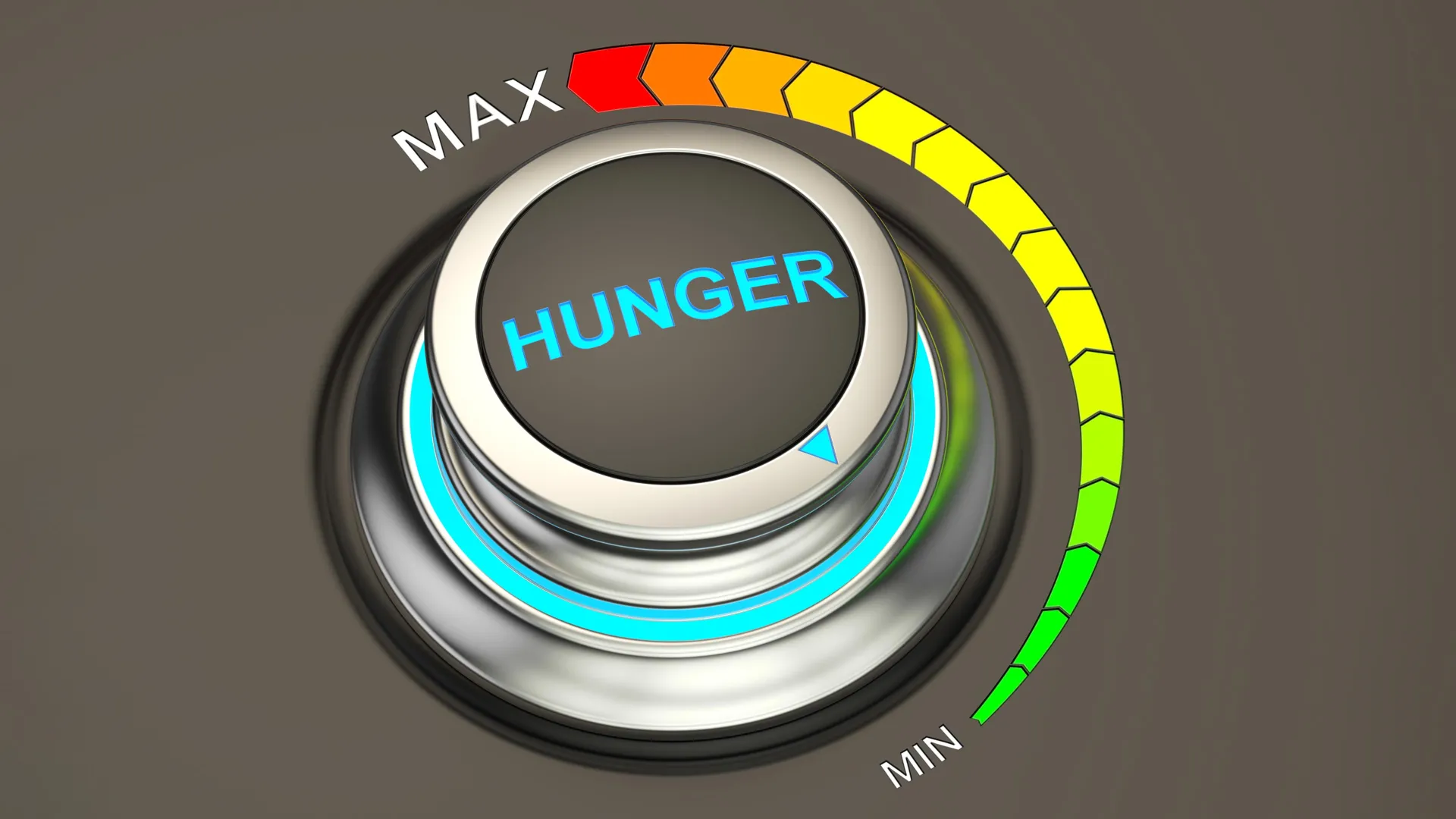
To understand the magnitude of this discovery, one must look at the "hunger neurons" known as Agouti-related protein (AgRP) neurons. These neurons are the primary drivers of appetite; when they are active, the body signals a state of hunger, prompting the search for food. Traditionally, scientists believed these neurons were indifferent to the chemical nature of the calories being ingested, acting merely as a caloric counter.
The Monell study, however, demonstrates that AgRP neurons are far more discerning. By recording neural activity in mice, the research team found that while both fructose and glucose eventually impact these neurons, they do so via entirely different biological "highways."
The Fructose Pathway
Fructose appears to utilize a more circuitous route. Upon ingestion, fructose triggers an increase in the gut hormone PYY. This hormone then signals through the vagus nerve to achieve a relatively modest reduction in the activity of AgRP neurons. Critically, when the researchers experimentally disrupted this specific pathway, the inhibitory effect of fructose on hunger neurons vanished entirely, proving that fructose relies on this distinct hormonal relay to communicate with the brain.
The Glucose Pathway
In contrast, glucose acts with greater efficiency and potency. The study revealed that glucose does not rely on the same PYY-Y2 vagus nerve pathway as fructose. Instead, it bypasses these intermediary steps to strongly suppress AgRP neuron activity. This direct, powerful suppression results in a much more significant modulation of hunger-related brain signaling than that provided by fructose.
Chronology of a Nutritional Discovery
The path to these findings was marked by rigorous experimentation designed to strip away the assumptions of standard metabolic research.
- Initial Observations: The team began by monitoring neural responses to different sugar types to determine if the brain truly reacted to them in the same way. The divergence in signaling pathways became apparent early in the observation phase.
- Pathway Mapping: Using sophisticated neuro-imaging and nerve-disruption techniques, the researchers identified the PYY-dependent pathway for fructose and the direct, non-PYY-dependent pathway for glucose.
- Behavioral Confirmation: The study then shifted from neural observations to behavioral ones. Researchers observed that while both sugars suppressed short-term food intake, the subjects developed distinct preferences over time. The mice consistently favored the sugar that provided the most robust inhibition of hunger neurons.
- Analyzing High-Fructose Corn Syrup (HFCS): In the final phase of the study, the researchers tested HFCS, a common sweetener that combines both fructose and glucose. They found that HFCS suppressed AgRP neurons more effectively than fructose alone, mimicking the "super-stimulus" effect that many nutritionists have long suspected exists in ultra-processed foods.
Supporting Data: Why "Sweet" Isn’t Just One Thing
The implications of this data extend far beyond the laboratory. By demonstrating that AgRP neurons can distinguish between glucose and fructose, the study provides a biological mechanism for what consumers have felt for years: that some foods leave them feeling satiated, while others—often those high in HFCS—leave them craving more.
The data suggests that because HFCS combines the two sugars, it may create a "best of both worlds" scenario for the brain’s reward and hunger systems, triggering a stronger neural response than either sugar could achieve in isolation. This could be a vital piece of the puzzle in explaining the rise of obesity and metabolic syndrome in societies where HFCS is a staple ingredient in beverages and processed snacks.
Official Perspectives: The Experts Weigh In
The study’s senior author, Amber Alhadeff, PhD, a Member of the Monell Chemical Senses Center, emphasizes that this research is not merely about identifying sugar preferences; it is about understanding the systemic impact of modern dietary habits.
"This work adds to our growing understanding of how modern diets, especially those high in fructose or high-fructose corn syrup, interact with the neural systems involved in appetite," Dr. Alhadeff noted. By mapping the exact neurobiology of these interactions, the Monell team has provided a blueprint for future studies into how artificial and natural sweeteners might be altering our innate hunger-regulation systems.
The research was made possible through a diverse coalition of funding, reflecting the gravity of the findings. Contributors included the National Institutes of Health (grants R01DK131558, DP2AT011965, R01DK116004, F31DK13558, and S10OD030354), the American Heart Association, the New York Stem Cell Foundation, the Klingenstein Fund, the Simons Foundation, the Pew Charitable Trusts, the Penn Institute for Diabetes, Obesity, and Metabolism, and the Hearst Fellowship.
Implications for Public Health and Nutrition
The "calorie-in, calorie-out" model of weight management has been the standard for decades, but it has increasingly been criticized for its failure to account for the complex interplay between food, hormones, and the brain. This study provides the missing link in that conversation.
Redefining Satiety
If hunger neurons are sensitive to the type of sugar rather than just the caloric count, then dietary advice may need to shift from simple calorie counting to a more nuanced focus on ingredient quality. Understanding that fructose and glucose have distinct "satiety profiles" could lead to the development of new strategies for managing obesity and type 2 diabetes.
Challenging the "Calorie" Myth
Perhaps the most significant takeaway from the study is the debunking of the assumption that AgRP neurons are neutral counters. They are, in fact, active processors of nutritional information. The body is performing a sophisticated chemical analysis of everything we consume, and the brain is making executive decisions about hunger based on that analysis.
Future Research Directions
The Monell team’s work opens the door to several critical questions:
- Do other sweeteners follow these pathways? Research is needed to determine if sugar substitutes, such as aspartame or stevia, elicit similar neural responses.
- Can we manipulate these pathways? Could future pharmacological interventions target these specific gut-brain pathways to help individuals with metabolic disorders regulate their appetite?
- Does early exposure matter? Investigating whether high-fructose diets in childhood permanently alter the sensitivity of these AgRP pathways remains a priority for long-term health outcomes.
Conclusion: A New Era of Nutritional Science
The findings from the Monell Chemical Senses Center represent a significant paradigm shift. By proving that the brain processes fructose and glucose through distinct, specialized pathways, the researchers have fundamentally altered our understanding of the gut-brain axis.
We now know that the sensation of hunger is not just a physiological response to a lack of energy, but a complex, nuanced dialogue between the food we consume and the neural circuits in our brain. As we move forward, this discovery will likely serve as a cornerstone for future dietary guidelines, public health policies, and the potential development of therapies that address the biological roots of overeating.
The next time you reach for a sweetened beverage, remember: your brain is already working hard to tell the difference between the sugars inside, and it may be influencing your hunger in ways that caloric labels simply cannot convey.