











In a breakthrough that bridges the gap between metabolic research and skeletal health, a team of international scientists has unveiled a sophisticated molecular "switch" within brown adipose tissue. This discovery, detailed in the prestigious journal Nature, describes a previously unknown mechanism that triggers an alternative energy-burning pathway in the body. While the finding provides long-awaited answers to how mammals regulate body temperature, its most profound implications may lie in the treatment of rare, debilitating bone disorders.
The research, led by Dr. Lawrence Kazak of McGill University’s Rosalind and Morris Goodman Cancer Institute, centers on the "futile creatine cycle." By identifying how this cycle is activated, researchers have not only unlocked a new understanding of human thermogenesis—the process of heat production—but have also illuminated a promising therapeutic target for conditions such as hypophosphatasia, or "soft bones" disease.
The Biological Context: Brown Fat vs. White Fat
To understand the magnitude of this discovery, one must first distinguish between the two primary types of adipose tissue. Most people are familiar with white fat, which serves as the body’s primary energy reservoir, storing excess calories. In contrast, brown fat is specialized for thermogenesis. It is packed with mitochondria, the "powerhouses" of the cell, which allow it to burn calories specifically to generate heat.
For decades, the scientific consensus held that brown fat’s heat-generating capabilities relied on a single, well-documented biological pathway. However, recent years saw researchers identify a secondary, alternative pathway—the futile creatine cycle—that appeared to operate in tandem with the classic system. Despite this observation, the "on switch" that commanded this secondary system remained an enigma.
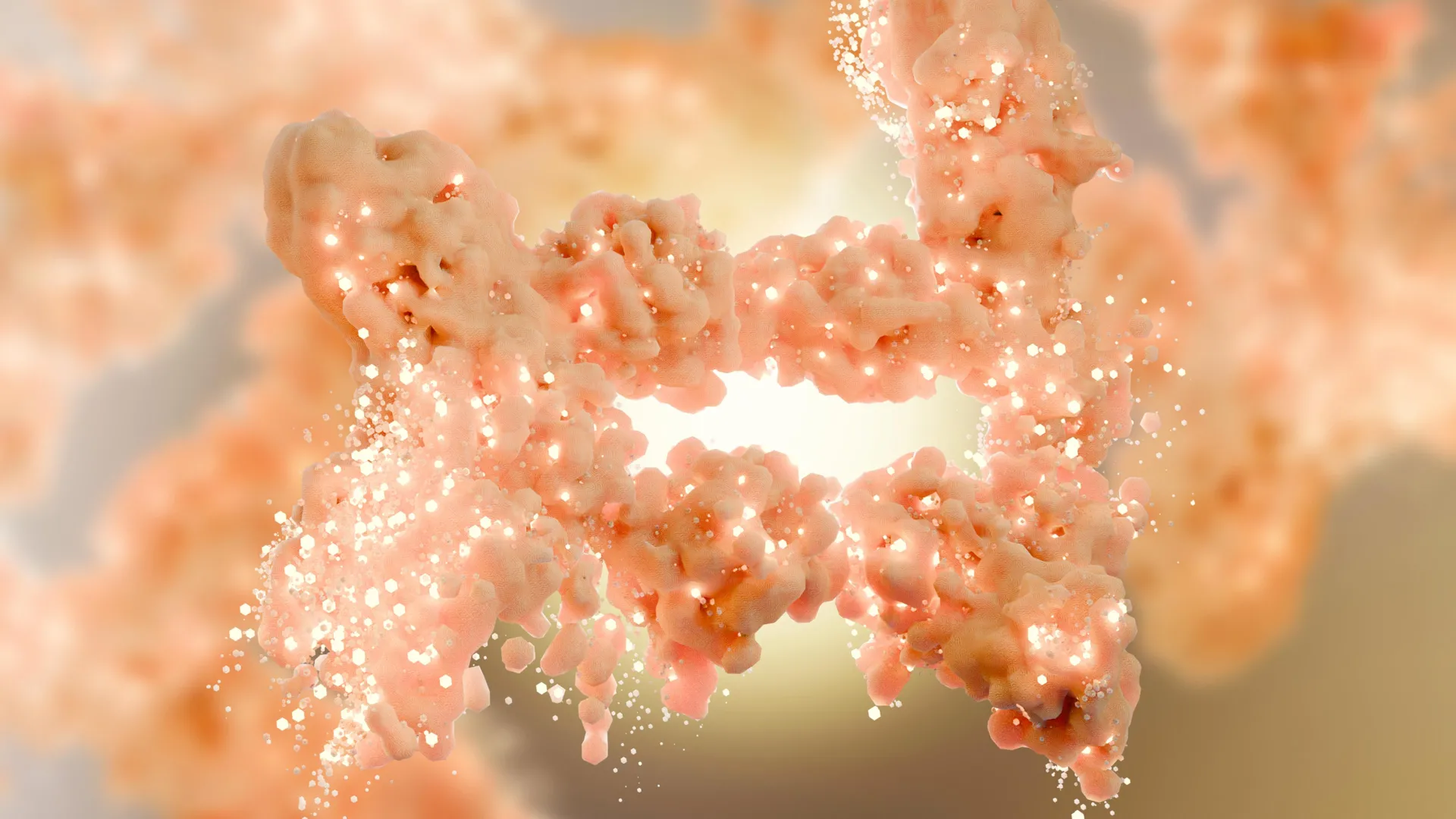
The breakthrough came when the team investigated the role of glycerol, a byproduct released when the body breaks down fat during cold exposure. By collaborating with structural biologist Dr. Alba Guarné, the team discovered that glycerol binds to an enzyme known as TNAP (tissue-nonspecific alkaline phosphatase) within a specific structural region they dubbed the "glycerol pocket." This binding event acts as the molecular trigger, activating the alternative heat-producing system.
Chronology of Discovery
The journey to this discovery represents a multi-year effort involving interdisciplinary collaboration across several continents.
- Initial Observations: Scientists had long suspected that brown fat possessed more than one mechanism for heat production, but the trigger for the futile creatine cycle was elusive.
- The Glycerol Connection: As the research team analyzed the metabolic response to cold, they observed that glycerol levels spiked. They hypothesized that this molecule might act as a signaling agent rather than merely a waste product of fat breakdown.
- Structural Breakthrough: Working with the Rosalind and Morris Goodman Cancer Institute’s advanced imaging technology, the researchers mapped the interaction between glycerol and TNAP. The identification of the "glycerol pocket" provided the physical evidence of how the enzyme is activated.
- The Bone Connection: Recognizing that TNAP was already a known, critical player in bone mineralization, the team pivoted to analyze whether the same switch functioned in bone cells. Their experiments confirmed that the molecular mechanism was consistent, linking metabolic fat burning to skeletal integrity.
- Publication: The final results were published in Nature under the title "Glycerol-driven TNAP activation in thermogenesis and mineralization," marking the culmination of a global effort involving institutions from Canada, the United Kingdom, and the United States.
Supporting Data and Technical Mechanisms
The study, led by Mohammed Faiz Hussain and Dr. Kazak, provides granular data on how the TNAP enzyme functions as a dual-purpose regulator.
The Futile Creatine Cycle
In the context of brown fat, the futile creatine cycle is a process where the cell burns energy to create heat by moving creatine in and out of the mitochondria. By identifying that TNAP is the enzyme controlling this cycle, the researchers have effectively identified a "thermostat" for the cell. When the body is cold, glycerol binds to the TNAP glycerol pocket, increasing the enzyme’s activity and, consequently, accelerating the heat-generating cycle.
Mineralization and TNAP
TNAP’s role in bone formation is essential. It is responsible for hydrolyzing pyrophosphate, a substance that inhibits the growth of hydroxyapatite crystals. By removing this inhibitor, TNAP allows for the calcification—the hardening—of the bone matrix. When TNAP is deficient, pyrophosphate accumulates, leading to the clinical presentation of hypophosphatasia.
The data from the study demonstrates that the glycerol-binding mechanism is not restricted to fat cells. In bone-forming cells (osteoblasts), the activation of TNAP via this pocket facilitates the mineralization process. This suggests that the same metabolic "volume knob" used to turn up the heat in fat cells can be used to regulate bone density.
Official Responses and Expert Perspectives
The research community has lauded the findings as a significant advancement in both biochemistry and regenerative medicine.
Dr. Lawrence Kazak, Associate Professor in the Department of Biochemistry and the Canada Research Chair in Adipocyte Biology, emphasized the holistic nature of the discovery. "This is the first time we’ve identified how an alternative heat-producing pathway is activated, independent of the classic system," Kazak stated. "That opens the door to understanding how multiple energy-burning systems work together to keep the body warm at the just-right temperature."
Dr. Marc McKee, a co-author and Professor in the Faculty of Dental Medicine and Oral Health Sciences at McGill, highlighted the potential for clinical application. "This finding opens the door to a new kind of treatment, where increasing the activity of the TNAP enzyme through its glycerol pocket by natural or synthetic bioactive compounds could potentially boost the beneficial actions of the enzyme in patients, to help restore deficient bone mineralization to healthy levels."
The implications for patients with hypophosphatasia are particularly significant. This rare disorder is characterized by skeletal abnormalities, fractures, and chronic pain, and it disproportionately affects certain populations, particularly in Quebec and Manitoba. The ability to "upregulate" existing but defective TNAP enzymes—rather than simply replacing them—could represent a paradigm shift in how these patients are treated.
Implications for Future Research and Medicine
The discovery of the glycerol pocket on the TNAP enzyme is not merely a theoretical success; it is a springboard for drug development.
Therapeutic Potential for Bone Disease
Current treatments for hypophosphatasia often rely on enzyme replacement therapy, which involves the administration of exogenous proteins. While effective, these therapies are costly and logistically complex. The new findings suggest a "pharmacological chaperone" approach: by designing small molecules that mimic glycerol and bind to the TNAP pocket, scientists may be able to stabilize or activate a patient’s own endogenous TNAP, potentially offering a more efficient and less invasive therapeutic option. The research team has already identified dozens of promising drug candidates that could be candidates for future clinical trials.
Metabolic Health and Obesity
While the immediate focus is on bone health, the implications for metabolic research are vast. Obesity and metabolic syndrome are often linked to a decrease in the activity of brown fat. If researchers can safely activate the alternative thermogenic pathway through the glycerol pocket, it may provide a new strategy for increasing energy expenditure in patients struggling with metabolic disorders. By "turning up the heat" in brown fat, doctors might eventually be able to assist in weight management and glucose regulation.
A New Model for Interdisciplinary Study
The success of this study underscores the necessity of interdisciplinary research. By bringing together experts in macromolecular machines, dental science, and adipocyte biology, the team was able to solve a puzzle that had eluded specialists in these individual fields for years. This collaboration sets a template for future research, demonstrating that metabolic processes and structural tissue development are often two sides of the same molecular coin.
Conclusion: A Turning Point
The identification of the molecular "switch" in brown fat represents a quintessential scientific breakthrough: a specific, actionable discovery that emerged from basic curiosity and resulted in a direct path to clinical application. By connecting the dots between fat metabolism and bone mineralization, Dr. Kazak and his team have expanded our understanding of human physiology.
As the research moves into the phase of testing drug candidates, the medical community remains hopeful. If these findings can be translated from the laboratory to the clinic, the discovery of the glycerol pocket may one day be remembered as the moment we finally gained the ability to fine-tune the body’s internal temperature and fortify the skeletal structure from within. The road ahead involves rigorous clinical testing and safety evaluations, but the foundation is now firmly established. For those suffering from the "soft bones" of hypophosphatasia, or for the millions affected by metabolic dysfunction, this discovery offers more than just new data—it offers the promise of a future with improved health and restored mobility.