



For over a decade, a fierce tug-of-war has played out in the halls of federal agencies and courtrooms across the United States regarding a practice that most of the medical community considers archaic, inhumane, and fundamentally unethical: the use of electrical shock devices to modify the behavior of people with intellectual disabilities and autism.
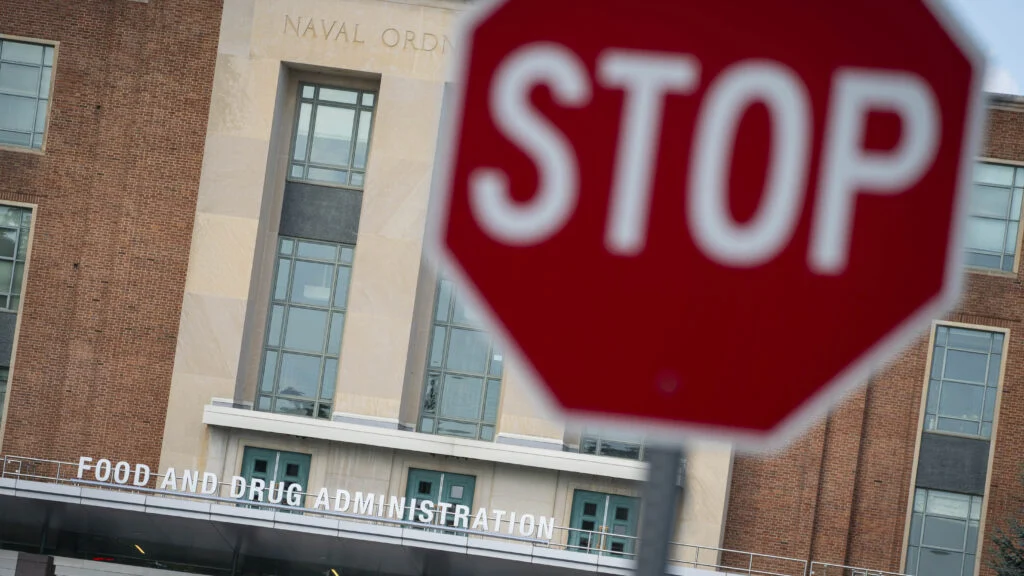
Two years ago, the Food and Drug Administration (FDA) committed itself to a definitive deadline to decide whether to permanently ban these devices. That deadline—the end of May 2025—has passed without a verdict. For disability rights activists, former residents, and medical ethicists, this silence is not merely a bureaucratic delay; it is a profound failure that allows a practice condemned by the United Nations as "torture" to persist in a single, controversial institution: the Judge Rotenberg Center (JRC) in Canton, Massachusetts.
The Core Controversy: What is the JRC?
The Judge Rotenberg Center occupies a unique and polarizing space in the American special education and behavioral health landscape. Established in 1971, the facility functions as a residential school and treatment center for individuals with developmental disabilities and severe behavioral challenges. Many of its residents arrive at the facility as a "last resort," often after having exhausted all other behavioral interventions in their home states.
However, the institution is infamous for its reliance on the Graduated Electronic Decelerator (GED), a device worn by residents that delivers painful electric shocks to the skin as a form of aversive conditioning. While behavioral psychology has largely moved toward "positive reinforcement" models, the JRC maintains that for a subset of their 347 residents, these shocks are the only mechanism effective in preventing life-threatening self-injurious behavior.
As of the latest reports, 54 residents remain subject to these treatments. The practice, however, has been roundly denounced by organizations including the American Academy of Pediatrics, which characterizes the shocks as "punishing" rather than therapeutic.
A Chronology of Conflict
The struggle to outlaw the use of these devices has been a protracted legal and regulatory saga spanning over a decade.
- 2012: The controversy reached a boiling point when video evidence was presented in court showing a resident being subjected to seven hours of electric shocks. The footage, which depicted a young man screaming in agony, sparked national outrage and intensified calls for the JRC to be shuttered.
- 2013: Following mounting public pressure and evidence of abuse, the FDA initiated the formal process to ban the use of electrical stimulation devices for behavior modification.
- 2020: The FDA successfully implemented a ban on the devices. However, the victory for advocates was short-lived. The JRC challenged the ruling, and in 2021, a federal appeals court overruled the FDA, arguing that the agency had overstepped its regulatory authority by interfering with the "practice of medicine."
- 2022: Recognizing the judicial bottleneck, Congress took action. A provision was included in the 2022 omnibus spending bill that explicitly granted the FDA the statutory authority to enact the ban, effectively removing the legal loophole that the appeals court had cited.
- 2024: The FDA officially published its proposed rule to reinstate the ban. The public comment period that followed saw an overwhelming response from the public, with the vast majority of submissions urging the agency to finalize the prohibition immediately.
- May 2025: The self-imposed deadline for the final rule passed without an announcement, leaving the future of the practice in a state of suspended animation.
Personal Accounts: The Human Cost of Aversive Conditioning
Behind the legal briefs and the regulatory deadlines are the lived experiences of those who were subjected to the devices. Aleyda Martinez, now 38, spent three years at the JRC beginning in 2002. Her experience remains a harrowing reminder of what occurs behind the facility’s doors.
Martinez recalls a culture of fear rather than recovery. Upon her arrival, staff confiscated her personal belongings, including a ring from a friend. She describes a regime where residents were shocked for minor infractions, including speaking Spanish, her native language.
"I still get PTSD with certain sounds," Martinez says, reflecting on the lingering trauma. "Like if I get my nails done or get a tattoo, certain sounds of that device—it brings it all back." Martinez rejects the idea that these shocks constitute "treatment." She argues that the resulting behavioral changes are not signs of psychological growth, but rather the result of living in a state of constant, paralyzing fear.
Robyn Linscott, director of education and family policy at The Arc—the nation’s largest nonprofit advocating for people with intellectual and developmental disabilities—first encountered the reality of the JRC in 2011 while working as a special education teacher. A student of hers, who had been transferred from the JRC, described the experience with a chilling clarity.
"It felt dystopian," Linscott recalls. "That this could actually be happening in a place that said their mission was to help folks with disabilities." For Linscott, the issue is deeply personal; her own brother is autistic and has, at various points in his life, struggled with severe, self-injurious behavior. She views the continued use of shocks as a betrayal of the basic human rights afforded to those with disabilities.
The Institutional Defense
The JRC maintains a firm stance, insisting that the treatment is both necessary and effective. Glenda Crookes, the executive director of the JRC, argues that the center provides a lifeline to families who have run out of options. She maintains that every instance of shock treatment requires rigorous oversight, including the approval of a resident’s family and a judicial mandate.
In a recent podcast appearance, Crookes framed the controversy in terms of life-saving outcomes. She described the case of a resident who had been restrained for seven years, unable to be hugged by his own mother due to the severity of his behavioral outbursts. According to Crookes, within 30 days of implementing the shock protocol, the resident was free of restraints and medication, eventually reaching milestones as significant as attending a family bat mitzvah.
"It is painful," Crookes acknowledged, referring to the "two-second shock," but she insists that the results are "miraculous" and represent a necessary trade-off for the safety and long-term quality of life of the residents.
The Regulatory Impasse and Future Implications
The FDA’s failure to meet its May deadline has left the disability community in a state of deep anxiety. A spokesperson for the federal health agency did not respond to requests for comment regarding the current status of the rule or the reasons for the delay.
Legal experts suggest that the delay could be related to the complexities of administrative law. Even with the authority granted by the 2022 omnibus bill, the agency must ensure that its final rule is "bulletproof" against potential future litigation from the JRC. However, for those who have spent years fighting for a ban, the delay feels like a secondary victimization.
If the FDA chooses not to finalize the ban, the implications will be far-reaching. It would signal to institutions across the country that the use of aversive conditioning is a permissible "medical" intervention, potentially opening the door for its expansion beyond the JRC. Furthermore, it would undermine years of work by human rights organizations that have sought to align U.S. domestic policy with international human rights standards.
For advocates like Linscott, the stakes could not be higher. "We’ve come so close, so many times," she says. "If the FDA were to not ban it, it would almost feel like salt in the wound."
As it stands, the JRC continues to operate, and the devices continue to be used on dozens of residents. The "dystopian" reality described by former students remains a feature of the American landscape, awaiting a regulatory signal that—for reasons still known only to the FDA—has yet to arrive. The silence from the agency has become a deafening testament to the difficulty of protecting the most vulnerable among us when institutional power, tradition, and the clinical definition of "help" collide.
STAT’s coverage of disability issues is supported by grants from the Robert Wood Johnson Foundation and The Commonwealth Fund. Our financial supporters are not involved in any decisions about our journalism.