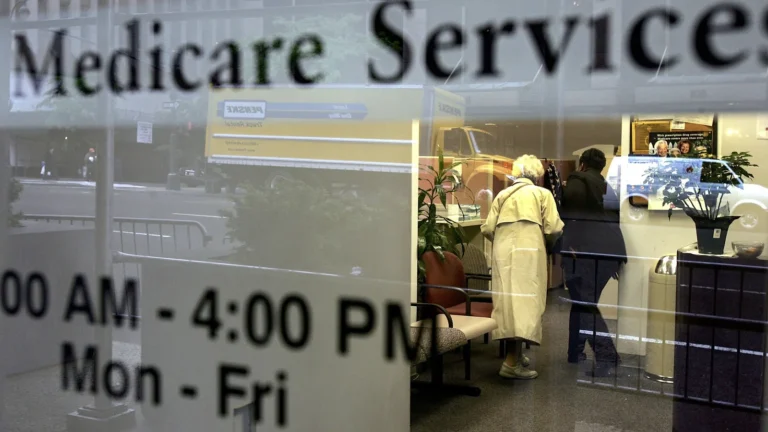












In the United States, the threshold between physical health and financial ruin is often thinner than a medical bill. For nearly half of all American adults, the cost of healthcare has become an insurmountable barrier, forcing millions to choose between life-saving treatments and basic necessities like rent or food. This systemic failure has reached a boiling point, sparking the launch of "One Nation, Overcharged"—a landmark grassroots campaign dedicated to dismantling the profit-centric model of the American healthcare system and replacing it with one that prioritizes human well-being.
The Core Mandate: People Over Profits
Launched just last week, the One Nation, Overcharged campaign represents a unprecedented coalition of civil rights organizations, health advocacy groups, and faith-based institutions. Supported by the Robert Wood Johnson Foundation, the initiative brings together 12 powerhouse national partners, including the NAACP, the American Cancer Society Cancer Action Network, the National Urban League, Families USA, and the Asian & Pacific Islander American Health Forum.
The movement’s primary demand is stark: the American healthcare system must shift its focus from corporate margins to patient outcomes. By mobilizing a diverse cross-section of the population—bolstered by the public support of high-profile activists and actors such as Noah Wyle, Yvette Nicole Brown, and Sheryl Lee Ralph—the campaign aims to transform the abstract frustration of "high costs" into a tangible, national political mandate for change.
A Chronology of Crisis: How We Reached This Point
To understand the urgency behind One Nation, Overcharged, one must look at the recent history of the American healthcare landscape, which has been defined by rising premiums, high deductibles, and the lingering scars of the COVID-19 pandemic.
- Pre-2020: The foundation of the current crisis was laid by decades of medical inflation that consistently outpaced wage growth. By the late 2010s, "medical debt" had become the leading cause of personal bankruptcy in the U.S.
- The Pandemic Shift: COVID-19 exposed the fragility of employer-sponsored insurance, as millions of workers lost their coverage simultaneously with their jobs.
- The Post-Pandemic Correction: As federal protections tied to the pandemic (such as continuous Medicaid enrollment) began to expire, millions of Americans were purged from the rolls, while the expiration of enhanced Affordable Care Act (ACA) tax credits further strained household budgets.
- The Launch of the Coalition: Recognizing that fragmented advocacy had failed to move the needle in Washington, various civil rights and health groups began coalescing in early 2024 to build a unified, grassroots front.
- Current State: With the official launch of One Nation, Overcharged, the movement is now entering a nationwide "listening phase," intending to collect the lived experiences of patients to build a case for federal reform.
Supporting Data: The Anatomy of Affordability
The statistics underpinning the campaign are as sobering as they are clear. According to recent data from the Kaiser Family Foundation (KFF), approximately 50% of U.S. adults struggle to afford their medical care. This financial strain is not distributed equally; it disproportionately affects low-income families, communities of color, and those with chronic health conditions.
- Delayed Care: A significant percentage of those who report difficulty affording care have opted to postpone necessary doctor visits, skip prescribed medications, or ignore early symptoms of illness to avoid the resulting costs.
- Medical Debt: Research indicates that even those with insurance often face "underinsurance," where high out-of-pocket costs make their coverage effectively useless for major procedures or long-term management.
- Economic Impact: The cost of healthcare is not just a personal issue; it is a macroeconomic drag. When families spend their disposable income on insurance premiums and co-pays, that money is removed from the broader economy, stifling growth and exacerbating wealth inequality.
Official Responses and Perspectives
The leadership behind the movement is careful to emphasize that this is not a top-down policy exercise. Instead, it is an attempt to reverse the typical legislative process.
Tony Price: The Equity Perspective
Tony Price, senior fellow within the Center for Health Equity at the NAACP, encapsulates the moral urgency of the movement. "Healthcare is a right, and people should not have to sacrifice their finances to get healthcare," Price stated. He argues that the status quo is essentially a lottery of misfortune. "I think most people, whether they realize it or not, are one accident away from financial ruin. If anybody, for example, has an unplanned medical event, that should not take them out of a certain socioeconomic status."
Avenel Joseph: The "Listening Mode" Philosophy
Avenel Joseph, vice president for policy at the Robert Wood Johnson Foundation, explains that the campaign is intentionally avoiding a rush to legislate. By staying in "listening mode," the coalition hopes to avoid the pitfalls of past health reforms—often criticized as "lab-grown" solutions that failed to address the practical, daily realities of the average American.

"We really want to hear what people want," Joseph noted. "We’re trying to learn from mistakes in the past where there are policy solutions that are cooked up in a lab, and it turns out that it’s not exactly what people want, it’s not solving a problem that people have identified."
Stan Dorn: The Latino Experience
The coalition also highlights the necessity of localized advocacy. Stan Dorn, director of health policy at UnidosUS, points out that while the systemic issues are national, the impacts are specific to different communities. "We know that healthcare costs and access are top concerns for Latino families," Dorn said. By ensuring that these unique voices are part of the broader public conversation, the campaign hopes to reshape the national narrative to include the specific challenges faced by immigrant and Hispanic populations, particularly regarding Medicaid accessibility and ACA subsidy cliffs.
Implications for the Future of U.S. Healthcare
The launch of One Nation, Overcharged signals a potentially tectonic shift in how healthcare policy might be approached in the coming election cycles.
1. The Power of Unified Advocacy
By bridging the gap between civil rights groups like the NAACP and health-specific organizations like the American Cancer Society, the campaign is creating a "big tent" of influence. This makes it significantly harder for policymakers to dismiss healthcare concerns as partisan or niche issues.
2. Shifting the Narrative from "Access" to "Affordability"
For years, the U.S. debate was centered on "coverage"—ensuring people had a card in their wallet. This campaign shifts the goalposts to "affordability"—ensuring that the coverage actually functions as a financial safety net rather than a source of debt.
3. Civic Engagement as a Tool
The campaign’s focus on the "civic process" suggests that the coalition plans to use the stories of everyday Americans as political leverage. By mobilizing voters who have been personally harmed by the current system, One Nation, Overcharged intends to create a political environment where voting against healthcare cost reform becomes a liability for lawmakers on both sides of the aisle.
4. A Challenge to the Status Quo
Ultimately, the success of this movement will be measured by its ability to force a conversation about the fundamental structure of the American medical industry. Whether through capping drug prices, reforming hospital billing practices, or restructuring the insurance market, the movement is positioning itself to be the primary engine for change in an industry that has long prioritized corporate interests over the fundamental right to health.
As the One Nation, Overcharged campaign fans out across the country to hear from those most impacted, it serves as a stark reminder: in the wealthiest nation in the world, the current medical model is increasingly incompatible with the dignity and security of its citizens. The movement is not merely asking for lower costs; it is demanding a societal recalibration that views a healthy population as the only true measure of national success.