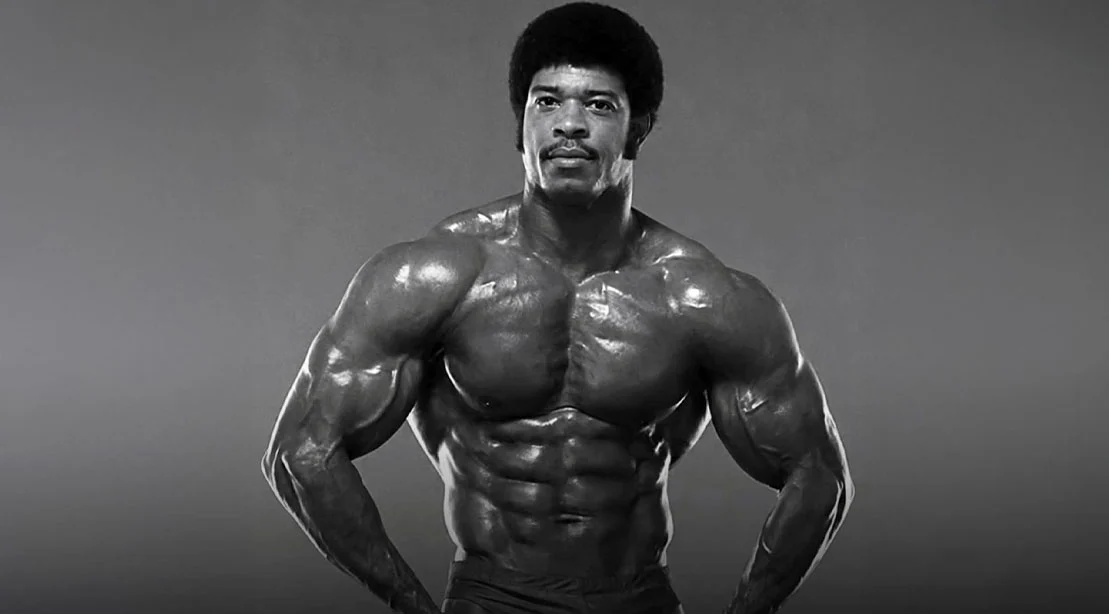
The world of professional bodybuilding is in mourning following the passing of Bill Grant, an athlete whose name became synonymous with the sport’s prestigious "Golden Era." Known to legions of fans and peers alike as the "Man of Steel," Grant passed away at the age of 79, leaving behind a legacy defined by aesthetic perfection, unwavering discipline, and a journey of personal transformation that began long before he ever stepped onto a professional stage.
His death, confirmed on June 3, 2026, has prompted an outpouring of grief from across the fitness community. While the exact cause of death remains undisclosed, the impact of his life—a career spanning over two decades of international competition—remains etched in the annals of bodybuilding history.
The Humble Origins of a Legend
Born on September 27, 1946, in East Orange, New Jersey, Bill Grant’s story is a quintessential American narrative of grit overcoming adversity. Grant was not born into a world of physical dominance; in fact, his path to becoming the "Man of Steel" was paved by a desperate need for self-protection and confidence.
In recollections shared on his official website, Grant was candid about his childhood struggles. "I was always picked on, beaten by everybody—even by the girls," he once admitted. "I got tired of being beaten all the time. I loved sport, but I couldn’t play football because I was too small."
This rejection from traditional team sports served as the catalyst for his transformation. At the age of nine, Grant began his lifelong affair with iron. With no access to state-of-the-art facilities, he trained in the humble confines of his bedroom and his friend’s backyard. It was here, fueled by a deep-seated ambition to change his physique, that he began the arduous process of self-improvement. By the age of 13, he was already showing the early signs of a physique that would one day command the attention of the world.
A Chronology of Excellence
Grant’s trajectory was marked by a relentless pursuit of knowledge and physical growth. He was an avid student of the sport, obsessively reading bodybuilding magazines to study the greats of the mid-20th century. "I read all the magazines religiously," Grant explained. "I saw Serge Nubret in a magazine, and Sergio Oliva, Reg Park."
Inspired by these icons, Grant committed himself to a regime that, within four years, saw him add 45 pounds of solid muscle to his once-slender frame. This period of intense development prepared him for his first major challenge in his mid-twenties: the Mr. USA competition. While he placed a respectable sixth, the experience solidified his desire to compete at the highest level.
The Rise to Prominence (1970s)
The 1970s served as the true breakout decade for Grant. After refining his training methods and mastering the art of posing, he captured the top spot at the 1972 Mr. World competition. This victory was not merely a trophy; it was a declaration. Grant had officially arrived, and he would spend the next two decades repeating his success across various international stages, including titles at the Mr. International and numerous U.S.-based competitions.
The Olympia Years (1976–1984)
Between 1976 and 1984, Grant stood shoulder-to-shoulder with the greatest athletes to ever grace the stage of the Mr. Olympia. Navigating the most competitive era in bodybuilding history, he reached a career-high of fourth place. During this time, he became a fixture in the sport, admired not just for his mass, but for his classic lines, superior symmetry, and aesthetic balance—qualities that many argue have been lost in the modern pursuit of sheer size.
The Philosophical Impact of the "Man of Steel"
Bill Grant was more than a collection of impressive measurements; he was a standard-bearer for the artistic side of bodybuilding. In an era when the sport was transitioning from a niche subculture to a global phenomenon, Grant’s ability to marry raw strength with poise and stage presence made him a fan favorite.
His physique embodied the "Golden Era" aesthetic: V-tapered torsos, small waists, and a level of conditioning that looked both natural and powerful. When the Arnold Sports Instagram channel paid tribute to him, they highlighted exactly this, noting: "Bill was admired for his aesthetic physique, symmetry, and classic lines. He shared the stage with many of the sport’s most legendary competitors during one of bodybuilding’s most iconic eras."
His influence extended far beyond the stage. As a mentor, he was known for his humility and his willingness to share the hard-won wisdom of a career that spanned decades. He understood that bodybuilding was as much a mental game as a physical one, and he frequently emphasized the importance of discipline, patience, and humor in maintaining a lifelong commitment to health.
Official Responses and Public Tributes
The news of Grant’s passing triggered a wave of tributes from those who knew him best. Shawn Ray, a multi-time Mr. Olympia competitor and one of the most recognizable figures in the industry, took to Instagram to express the gravity of the loss.
"Sad news today as legend Bill Grant has passed away," Ray wrote. "Bill was born on September 27, 1946. Bill was 79 years old. Condolences to his family and friends."
The official Instagram account of Bill Grant also issued a touching statement, reflecting on the man behind the muscles: "To the bodybuilding world, Bill was one of the iconic personalities of the Golden Era, a champion, mentor, training partner, and inspiration to generations of athletes around the world. His passion for bodybuilding, his discipline, knowledge, humor, and larger-than-life personality left a lasting mark on everyone who knew him."
The collective sentiment from the industry is one of profound respect. From the editors at Muscle & Fitness to the rank-and-file bodybuilders who train in local gyms, the consensus is clear: Bill Grant was a bridge between the sport’s founding philosophies and its modern identity.
Implications for the Future of Bodybuilding
The passing of a legend like Bill Grant forces a reflection on the sport’s history and the direction in which it is headed. As bodybuilding continues to evolve, the "Golden Era" is increasingly viewed through a nostalgic lens—a time when the focus was on the artistry of the human form.
Grant’s death serves as a poignant reminder of the mortality of these icons, but also of the immortality of their influence. The training methodologies, the emphasis on symmetry, and the dedication to longevity that Grant championed continue to be relevant in an age where performance-enhancing shortcuts are often scrutinized.
For the modern athlete, Grant’s life offers a template:
- The Power of Consistency: Grant’s career lasted over 20 years, proving that success is not a sprint but a marathon.
- Mental Fortitude: His ability to turn childhood bullying into a source of motivation is a testament to the psychological power of physical culture.
- The Importance of Mentorship: By transitioning from competitor to mentor, Grant ensured that his knowledge did not die with his career.
As the industry moves forward, the legacy of the "Man of Steel" will undoubtedly persist. Through the archives of his competition history, the instructional videos he left behind, and the stories shared by those he mentored, Bill Grant remains a living force in the culture of bodybuilding. He was, and remains, a reminder that the strongest thing one can build is a character capable of inspiring others to be their best.
The sport of bodybuilding has lost a giant, but in the halls of iron, the echoes of his discipline and his passion will continue to resonate for generations to come. Rest in peace, Bill Grant. Your stage presence was profound, but your impact was greater.