






By Investigative Health Desk
For millions of individuals living with progressive, chronic, and invisible disabilities, the weather forecast is not merely a guide for picking an outfit or planning a commute. For this demographic, a dropping barometric pressure reading is a harbinger of physical distress—a meteorological warning sign of impending inflammation, heightened pain, and restricted mobility.
Ellen Lenox Smith, a prominent advocate for those living with chronic conditions, recently shared a poignant reflection on the intersection of disability and meteorology. Her account underscores a reality often overlooked by the general public: for the chronically ill, the environment is not just a backdrop to life, but an active, often adversarial participant in their daily struggle for functional independence.
The Science of the "Storm Surge" in the Human Body
The phenomenon of "weather-sensitive" pain is well-documented in clinical literature, though it remains a source of frustration for patients who feel their symptoms are dismissed as anecdotal. When a storm system approaches, the atmospheric pressure—the weight of the air pressing down on the earth—decreases.
For a healthy individual, these shifts go unnoticed. However, for those with musculoskeletal conditions, connective tissue disorders, or chronic inflammatory diseases, the body’s internal tissues may react to this pressure drop. As external pressure decreases, internal tissues, fluids, and inflamed joints may expand. This expansion exerts pressure on nerves and sensitive tissues, leading to the "barometric ache" that many patients describe as a deep, radiating pain that is difficult to manage with standard analgesic interventions.
Chronology of a Weather-Induced Flare
To understand the lived experience of these atmospheric shifts, one must observe the progression of a flare triggered by a weather system.
- T-Minus 48 Hours: The arrival of low-pressure systems often begins with a subtle shift in barometric readings. Patients frequently report the "prodromal" phase of a flare: an onset of mental fog, early-stage fatigue, and a localized increase in joint stiffness.
- T-Minus 24 Hours: As the storm front advances, the atmospheric pressure continues to decline. During this window, inflammatory markers often spike. For individuals with conditions like Ehlers-Danlos syndrome or rheumatoid arthritis, this is the stage where subluxations—partial joint dislocations—become more frequent.
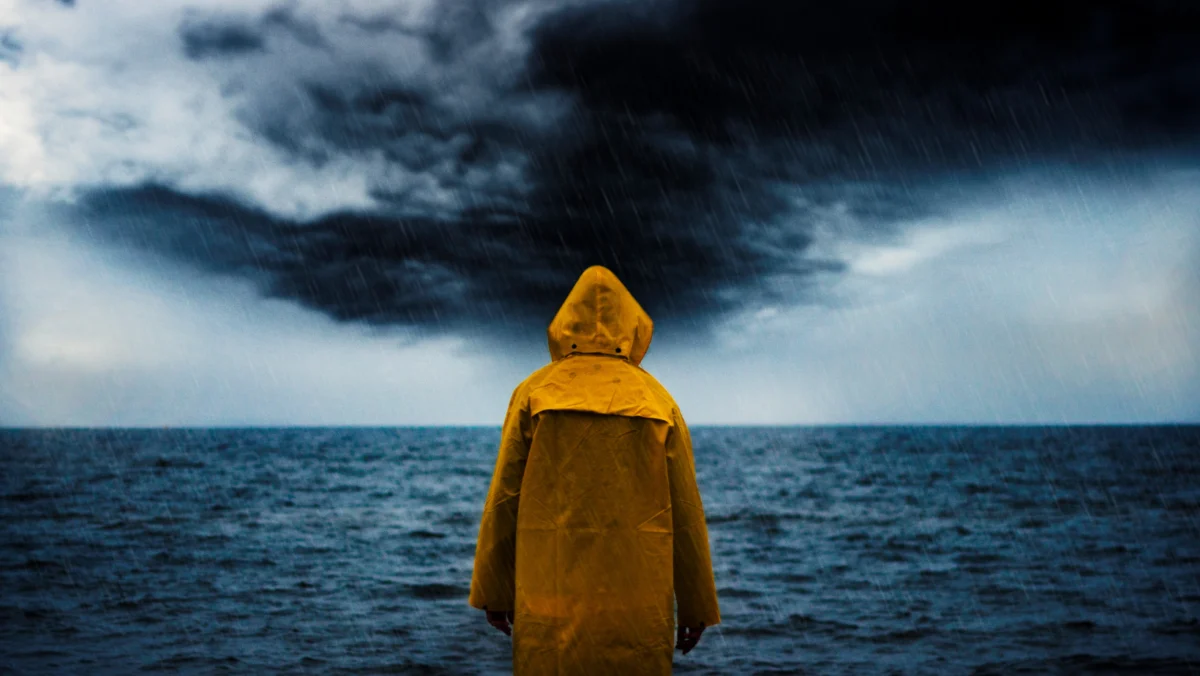
- The Storm’s Peak: During the active weather event, mobility becomes significantly compromised. Rain, wind, and the resulting debris or mud create treacherous environments. For someone reliant on a stable gait, a wet sidewalk is not just a nuisance; it is a significant fall risk that could result in catastrophic injury.
- Post-Storm Recovery: Once the pressure stabilizes and begins to rise, the body enters a recovery phase. However, the physical toll of the preceding days often leaves a "hangover" effect, characterized by profound exhaustion and residual pain that can persist long after the clouds have cleared.
Supporting Data: The Link Between Weather and Chronic Pain
While critics have historically labeled weather-sensitive pain as psychosomatic, modern research is increasingly validating the patient experience. A large-scale study conducted by the University of Manchester, titled "Cloudy with a Chance of Pain," utilized smartphone technology to track the daily symptoms of over 13,000 participants.
The data revealed a statistically significant correlation between humidity, low pressure, and the intensity of chronic pain. Researchers found that as humidity increased and pressure dropped, the likelihood of a severe pain episode rose by roughly 20%. This evidence provides a necessary scientific foundation for the experiences shared by advocates like Lenox Smith, shifting the narrative from "complaint" to "clinical observation."
The Psychological Toll of Meteorological Restrictions
Beyond the physical inflammation, there is a profound psychological burden associated with being at the mercy of the weather. When a storm effectively "traps" a person with a disability, it serves as a stark, unwanted reminder of the limitations imposed by their condition.
"It is heartbreaking to have that intense reminder that my body is far from normal," writes Lenox Smith. This sentiment highlights the friction between the desire to lead a normal, purpose-driven life and the reality of a body that reacts violently to environmental changes. The frustration is compounded by the loss of agency. When a patient meticulously manages their diet, exercise, and medication regimen, only to have those efforts derailed by a change in the weather, it creates a unique form of "environmental helplessness."
Official Responses and Clinical Strategies
Medical professionals specializing in rheumatology and pain management are increasingly incorporating "environmental awareness" into their treatment plans. While there is no current cure for weather-induced inflammation, clinical strategies focus on mitigation.
1. Adaptive Lifestyle Management
Physicians recommend that patients maintain a "weather diary" to identify specific patterns of sensitivity. By tracking atmospheric changes alongside pain levels, patients can work with their care teams to preemptively adjust medications or rest periods before a storm hits.
2. Physical and Kinetic Stability
For those prone to subluxations or dislocations, such as those with connective tissue disorders, the use of supportive bracing and assistive devices becomes critical during high-risk weather. Physical therapists suggest "core-centric" exercises that prioritize stability, allowing the body to maintain structural integrity even when inflammatory responses are heightened.
3. Nutritional Optimization
There is growing clinical interest in anti-inflammatory dietary protocols. By minimizing systemic inflammation through diet, patients may provide their bodies with a larger "buffer zone" to absorb the shock of environmental shifts.
Implications for Public Infrastructure and Policy
The challenges described by the chronic pain community have broader implications for urban planning and disability advocacy. If a simple rainstorm renders a sidewalk unusable, it is a failure of accessibility infrastructure.
Municipalities are often reactive, clearing snow only after a storm has passed. For the chronically ill, however, the period during the storm is often when they are most vulnerable. Advocates argue that universal design—the practice of creating environments that are accessible to all people, regardless of ability—must account for the realities of chronic illness. This includes better drainage systems to prevent mud, more consistent path-clearing protocols, and the integration of indoor, climate-controlled spaces that allow for movement during inclement weather.
Conclusion: The Fighter’s Mindset
Despite the overwhelming nature of these atmospheric obstacles, the community of individuals living with chronic conditions continues to exhibit remarkable resilience. The consensus among patient advocates is that while we cannot control the barometric pressure, we can control our response to it.
By shifting the focus from the weather to internal markers of success—maintaining core exercise routines, adhering to nutritional plans, and finding meaningful activities despite fatigue—patients are reclaiming their autonomy.
As Ellen Lenox Smith concludes, "We may be disabled, but we are also fighters who will work to find a way to endure these obstacles until the sun peeks out again."
In a world that is increasingly aware of the importance of mental health and invisible disabilities, the story of the weather-sensitive patient serves as a vital reminder. It calls for a more compassionate understanding of the challenges faced by those whose health is inextricably linked to the natural world. Until society can fully accommodate these needs through better infrastructure and greater empathy, the burden of adaptation remains on the patient—a testament to a fortitude that deserves both recognition and support.
May the coming days bring both clearer skies and greater kindness to those who navigate the storm.