Date: August 6, 2026
Location: European Respiratory Society (ERS) Digital & Global Platforms
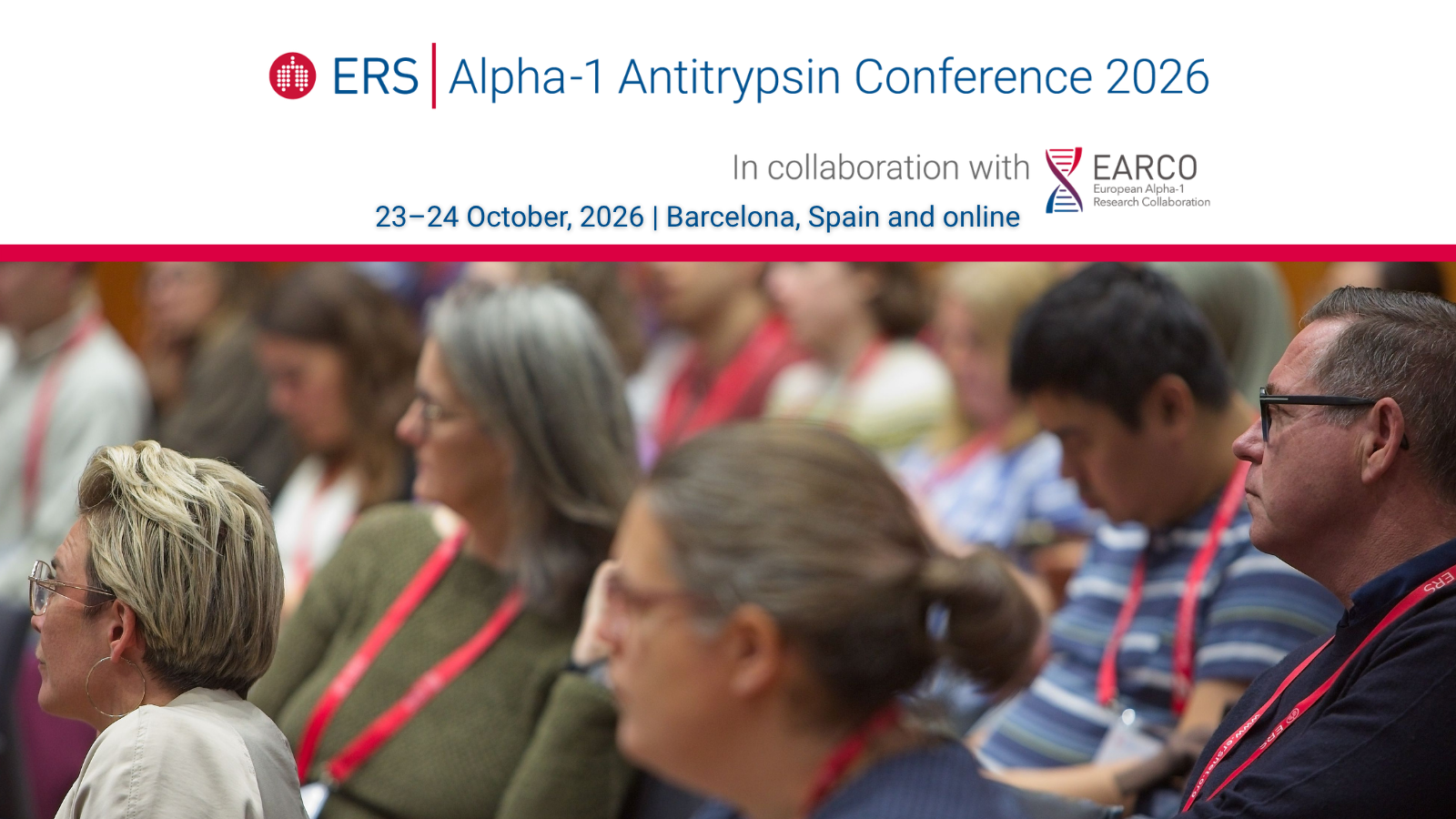
As the global medical community continues to refine its approach to rare disease management, the Alpha-1 Antitrypsin Deficiency (AATD) Conference 2026 stands as a pivotal milestone. Designed to bridge the gap between bench science and bedside practice, this year’s assembly brings together a multidisciplinary coalition of clinicians, researchers, allied health professionals, and patient advocacy groups.
The conference is not merely a lecture series; it is a collaborative engine aimed at addressing the complexities of AATD—a genetic condition that significantly increases the risk of lung and liver disease. As we approach the autumn session, the programme promises to illuminate the latest diagnostic breakthroughs and therapeutic strategies that are set to redefine the patient experience.
Main Facts: The Evolving Landscape of AATD
Alpha-1 Antitrypsin Deficiency remains a challenge for modern medicine due to its frequent under-diagnosis and the variability of its clinical presentation. The 2026 conference aims to confront these issues head-on.
The primary objectives of this year’s assembly include:
- Standardization of Care: Harmonizing diagnostic and monitoring protocols across international borders.
- Collaborative Research: Highlighting the impact of the European Alpha-1 Research Collaboration (EARCO) and its ongoing registry.
- Precision Medicine: Moving beyond "one-size-fits-all" treatments by focusing on distinct clinical phenotypes.
- Patient Empowerment: Integrating the patient perspective into the clinical framework to improve quality of life and long-term outcomes.
The conference serves as a global hub, ensuring that the latest data from European laboratories and clinical centers is translated into actionable insights for frontline physicians.
Chronology: The Evolution of AATD Management
The path to the 2026 conference has been marked by a decade of accelerated research. To understand the significance of this year’s agenda, one must look back at the trajectory of AATD management:
- Pre-2020: Management was largely reactive, focusing on supportive therapies for established chronic obstructive pulmonary disease (COPD) or liver cirrhosis.
- 2020–2023: The rise of digital registries, such as the EARCO initiative, allowed for the first large-scale, pan-European data collection, providing a clearer picture of the prevalence and natural history of the condition.
- 2024–2025: Increased focus on biomarker research and the role of high-resolution CT imaging transformed how clinicians monitor disease progression. The shift moved from observing "end-stage" damage to identifying early-onset structural changes.
- 2026 (The Present): The focus has shifted toward systemic integration. The 2026 conference represents a maturation phase where early detection strategies, novel biomarker applications, and phenotype-specific care pathways are finally being presented as unified clinical standards.
Supporting Data: Scientific Pillars of the 2026 Programme
The conference programme is structured around three core pillars, each addressing a critical deficit in current medical knowledge.
1. EARCO: A New Era of Collaboration
The European Alpha-1 Research Collaboration (EARCO) has evolved into the cornerstone of global AATD research. The 2026 sessions will highlight the EARCO Registry, which has become an indispensable tool for understanding the "real-world" effectiveness of current therapeutic interventions. Attendees will receive a detailed preview of the EARCO-3 programme, which aims to expand the registry’s reach and integrate AI-driven predictive modeling to anticipate patient decline before it manifests clinically.
2. Diagnostic Precision and Follow-up
A perennial hurdle in AATD is the time to diagnosis. Many patients spend years being treated for asthma or general COPD before their genetic deficiency is identified. The session on "Strategies for Diagnosis and Follow-up" will introduce:
- Advanced Imaging Protocols: Utilizing low-dose CT and quantitative software to track subtle parenchymal changes.
- Biomarker Panels: Moving beyond traditional serum levels to identify inflammatory markers that correlate with rapid decline.
- Universal Screening Policies: Debating the efficacy of broader screening in high-risk populations, such as those with early-onset emphysema.
3. Decoding Clinical Phenotypes
Not all AATD patients present with the same lung or liver profile. The session on "Clinical Phenotypes in Alpha-1" is expected to be a highlight, as it challenges the traditional classification of the disease. By exploring the complex relationship between AATD and bronchiectasis, experts will demonstrate how understanding a patient’s unique genetic and phenotypic "fingerprint" can dictate a more personalized therapeutic approach.

Official Perspectives: Expert Consensus
Leading experts in the field have emphasized that the 2026 conference is designed to foster a "translational culture."
"We are no longer just observing the damage caused by AATD," one lead organizer noted. "We are now at the threshold of predicting it. By combining the vast datasets from the EARCO registry with localized, expert-led clinical practices, we are providing physicians with the tools to intervene earlier and more effectively than ever before."
The emphasis on "allied health" is also a notable shift in the 2026 strategy. Recognizing that respiratory therapists, nurses, and physiotherapists are often the first line of support for AATD patients, the conference organizers have ensured that clinical guidelines are presented in a way that is accessible and actionable for the entire multidisciplinary team, not just the attending pulmonologist.
Implications: The Future of Patient Care
The implications of the 2026 conference extend far beyond the duration of the event. The goal is to move the needle on long-term patient outcomes through three primary channels:
Clinical Implications
Physicians attending the conference will return to their clinics with refined diagnostic checklists. By adopting the consensus-driven protocols for follow-up care, clinicians can expect to reduce the "diagnostic odyssey" that many patients currently face. The move toward phenotype-based care means that treatment plans can be tailored to the individual, potentially slowing the progression of lung tissue degradation and improving survival rates.
Research Implications
The focus on the EARCO-3 programme ensures that the research momentum does not stall. By standardizing how data is collected and shared across Europe, the conference is setting the stage for future clinical trials. A unified registry means that when new therapies—such as gene-editing or specialized protein replacement—emerge, the infrastructure to test them effectively will already be in place.
Societal and Economic Implications
AATD places a heavy burden on healthcare systems due to long-term disability and the high cost of managing chronic lung disease. Early diagnosis and proactive management are not just medically sound; they are economically vital. By preventing the progression to end-stage disease, the healthcare community can significantly reduce the burden on acute care services and hospital readmission rates, ultimately leading to a more sustainable model of care.
Conclusion: Engaging with the Future
The Alpha-1 Antitrypsin Conference 2026 is more than a professional development opportunity; it is a call to action. For the clinician, it offers the evidence-based rigor required to improve patient outcomes. For the researcher, it offers a network of data and collaboration. For the patient, it offers the promise that the medical community is listening, evolving, and working tirelessly to shape a future where AATD is a manageable condition rather than a life-altering diagnosis.
As the conference approaches, stakeholders are encouraged to review the official programme and register to participate in these critical discussions. The tools for change are being forged; the next step is the global implementation of these strategies to ensure that every patient with AATD receives the precise, high-quality care they deserve.
Further Resources:
This article is intended to provide an overview of the upcoming ERS 2026 conference and reflects the current, evidence-based direction of international AATD research.