









In the world of fitness, we often measure success by the weight on the bar or the speed of a run. However, for those navigating life after 50, the most telling metric of physical health is far more subtle: the ability to maintain structural integrity under load. Enter the "squat hold"—a deceptively simple isometric exercise that acts as a diagnostic tool for your lower-body longevity.
According to elite coaches and movement specialists, the squat hold does more than just tire out your quadriceps. It provides a comprehensive audit of your mobility, core stability, and muscular endurance. As we age, the ability to generate and sustain tension in the lower body is the primary defense against falls, mobility loss, and the functional decline that often accompanies the fifth decade and beyond.
The Science of Isometric Tension
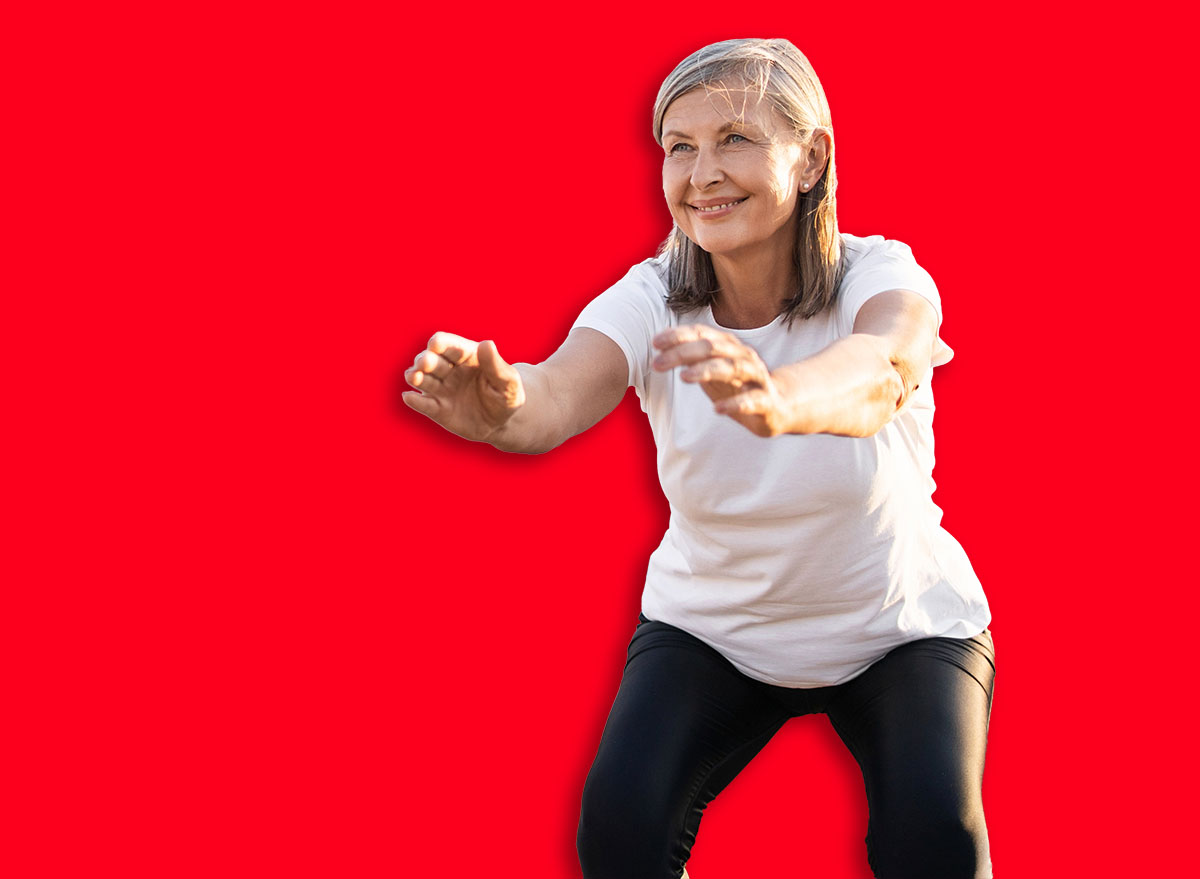
A squat hold, by definition, is an isometric contraction. Unlike a dynamic squat, where the muscles lengthen and shorten, an isometric hold forces the muscles to remain engaged at a constant length while resisting gravity.
From a physiological standpoint, this is a game-changer. When you hold a squat at parallel—where your thighs are roughly aligned with the floor—you are placing your quads, glutes, hamstrings, and core under constant, unrelenting tension. Because there is no "reset" at the top or bottom of the movement, the nervous system is forced to recruit a higher percentage of motor units to keep you upright and steady.
This specific type of "time under tension" is critical for aging adults. Research indicates that maintaining muscle quality—not just muscle mass—is the secret to healthy aging. By holding a squat, you are teaching your body how to brace, breathe, and stabilize under pressure, mirroring the real-world demands of picking up a grandchild, navigating uneven terrain, or simply rising from a low chair.
Chronology of a Movement Pattern
The evolution of how we view the squat has shifted significantly in the last decade. Historically, the squat was viewed purely as a heavy lifting exercise reserved for the gym floor. Today, fitness experts like Jarrod Nobbe, MA, CSCS, argue that it is a fundamental human movement pattern that must be preserved.
- The Foundational Phase: In your 20s and 30s, the focus is often on hypertrophy or explosive power. The squat is a means to an end—building muscle and burning calories.
- The Maintenance Phase (40s): As the body begins to experience minor wear and tear, the focus shifts to form. The goal is to ensure the joints are tracking correctly and the core is effectively protecting the lower back.
- The Longevity Phase (50+): This is where the "hold" becomes paramount. After 50, the primary goal is functional independence. The ability to sit into a deep squat and hold it indicates that your hips, ankles, and knees are working in harmony. If you can maintain this position, you are effectively "proof-checking" your body against the most common markers of frailty.
Decoding the Data: What Your Time Means
The beauty of the squat hold test lies in its simplicity. You do not need expensive gym equipment or a fitness tracker to gauge your progress. However, the data must be honest. A "squat hold" only counts if the form remains perfect. If your heels lift, your chest collapses toward your knees, or your hips shift to one side, the test is over.
The Benchmarks for Fitness After 50
- 0–30 Seconds (Beginner/Rehabilitation): If you are struggling to reach 30 seconds, your focus should be on building foundational strength. Start with "box squats" or wall sits to support your weight, allowing your joints to adapt to the stress without risking injury.
- 30–60 Seconds (Intermediate/Functional): Reaching the one-minute mark is a sign that your muscles have the endurance required for daily activities. You have a solid base of strength that will serve you well in active retirement.
- 60–90 Seconds (Advanced/Elite): Holding a perfect, parallel squat for over 75 seconds after the age of 50 is a mark of exceptional lower-body conditioning. This suggests high levels of neural drive and structural stability, which are strongly correlated with longevity and injury prevention.
The Pillars of Proper Execution
To perform the test correctly, you must approach it with the precision of an athlete.
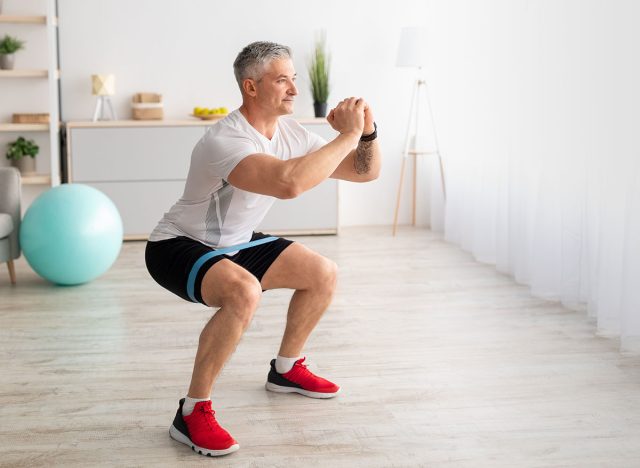
- The Stance: Place your feet roughly shoulder-width apart. Your toes should be pointed slightly outward to accommodate natural hip rotation.
- The Descent: Lower yourself as if you are sitting into a chair that is slightly behind you. Keep your weight balanced across your entire foot—do not rock onto your toes or your heels.
- The Hold: Once you hit parallel, hold. Keep your chest up and your gaze forward. Engage your core as if you are bracing for a punch; this will stabilize your spine and prevent the "folding" effect that often plagues poor form.
- The Breathing: Do not hold your breath. Controlled, rhythmic breathing is essential to maintaining oxygenation to the muscles, which will extend your hold time.
Implications for Daily Life
Why does this matter? The implications of a strong squat hold extend far beyond the living room floor. Every time you step onto a curb, get out of a low car, or stand up from a couch, you are performing a version of this movement.
When you train the squat hold, you are effectively "greasing the groove" of your nervous system. You are telling your brain that it is safe to be in these deep positions. Over time, this leads to a reduction in joint pain, as the surrounding musculature becomes strong enough to take the pressure off the connective tissues in your knees and hips.
Furthermore, this exercise builds "structural confidence." Many people over 50 develop a subconscious fear of movement because they no longer feel stable. By practicing the hold, you remove that fear. You become more agile, more balanced, and more resilient.
Expert Recommendations for Improvement
If you find that your current hold time is lower than you would like, do not be discouraged. The beauty of isometric training is that it is highly adaptive.
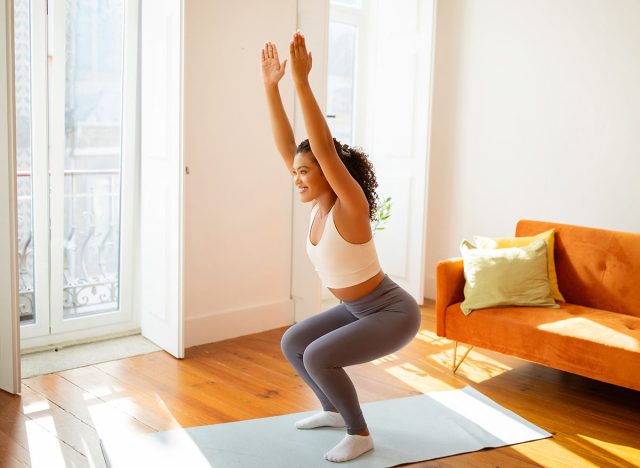
- Integrate Wall Sits: If a free-standing squat is too difficult, start with a wall sit. This removes the balance component, allowing you to focus purely on the muscular endurance of your quads.
- Prioritize Ankle Mobility: Often, the limiting factor in a squat isn’t leg strength—it’s ankle stiffness. Spending five minutes a day on calf stretches and ankle mobility drills can drastically improve your squat depth.
- Consistency over Intensity: You do not need to hold a squat until failure every day. Aim for 3 sets of 30 seconds, three to four times a week. The goal is to accumulate "time under tension" rather than pushing for a personal record every session.
- Use Props: Utilizing a TRX band or a sturdy chair for support is not "cheating." It is a smart way to maintain the correct range of motion while your strength catches up to your ambition.
The Final Verdict
The "squat hold" is more than just a fitness fad; it is a vital indicator of your future mobility. By testing yourself, you aren’t just measuring how long you can stay still—you are measuring how well you can keep your independence.
As you approach and pass the age of 50, the goal of physical training changes. We move away from the pursuit of aesthetics and toward the preservation of function. The squat hold is the perfect vehicle for this transition. It is accessible, requires no equipment, and provides immediate, actionable feedback on your physical state.
Start today, keep your form strict, and listen to what your legs are telling you. Whether you are holding for 15 seconds or 90, the act of showing up and bracing against the challenge is the most important step you can take toward a stronger, more capable future.