Main Facts: The Unexpected Decline in Mobility
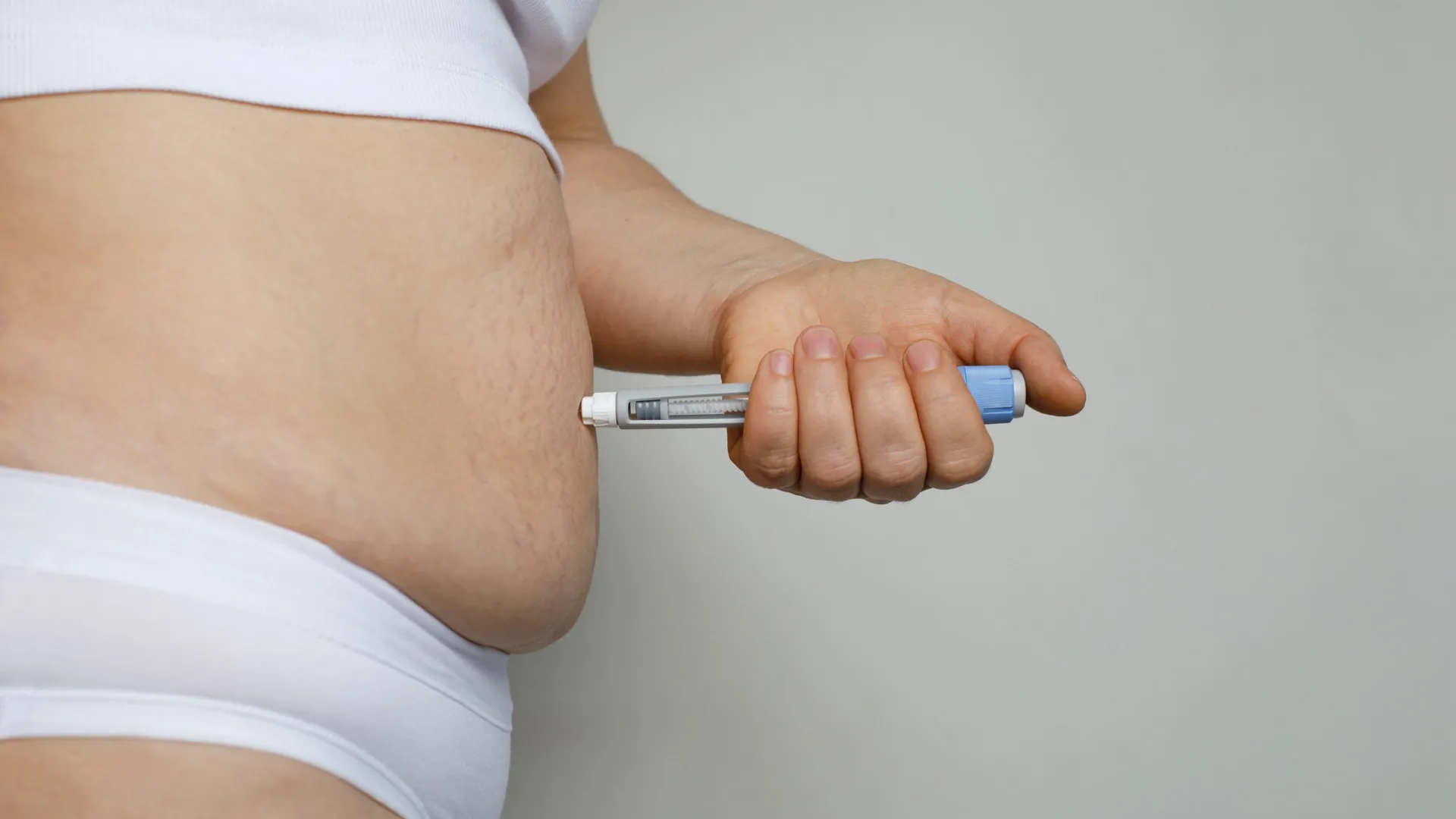
In a counterintuitive finding that challenges long-held medical assumptions, new research indicates that individuals undergoing treatment with popular weight-loss medications—specifically GLP-1 receptor agonists—exhibit a significant decrease in physical activity levels after beginning their drug regimens.
Presented on Saturday at ENDO 2026, the annual meeting of the Endocrine Society in Chicago, the study reveals that patients taking drugs such as Ozempic, Wegovy, Mounjaro, and Zepbound do not naturally gravitate toward increased physical activity as they lose weight. Instead, data suggest a concerning trend of sedentary behavior, raising alarms among clinicians about the long-term metabolic health and muscle integrity of patients relying solely on pharmacotherapy.
The study, which leveraged objective data from wearable fitness trackers, found that daily step counts and time spent in moderate-to-vigorous physical activity (MVPA) plummeted following the initiation of treatment. This revelation complicates the narrative surrounding the "miracle" weight-loss drugs, suggesting that without intentional behavioral interventions, the biological changes induced by these medications may inadvertently discourage the very movement required to maintain muscle mass and metabolic health.
Chronology: Unpacking the Research Process
The investigation, led by Dr. Sajana Maharjan of HSHS St. John’s Hospital in Springfield, Illinois, utilized the robust, longitudinal data provided by the National Institutes of Health’s (NIH) "All of Us" Research Program. The research was structured to bridge the gap between self-reported physical activity—which is notoriously prone to bias—and objective, real-time data captured by wearable technology.
The Recruitment Phase
The study initially identified a cohort of 1,950 adults diagnosed with obesity who had been prescribed GLP-1 receptor agonists. To ensure the highest level of data accuracy, researchers filtered this group down to 753 participants who possessed consistent, long-term wearable-device data (Fitbit) suitable for longitudinal analysis. The demographic breakdown of the final cohort included 78.6% women, with an average age of 52.7 years, providing a representative look at the primary patient demographic currently seeking obesity treatment.
The Observational Period
Researchers established a baseline by monitoring participants’ activity levels immediately prior to the commencement of their medication. They then tracked changes in daily movement patterns at set intervals following the start of treatment. By comparing pre-treatment activity metrics with post-treatment data, the team was able to isolate the impact of the medication on daily habits.
Supporting Data: Quantifying the Sedentary Shift
The numbers presented at ENDO 2026 are stark. The transition from a baseline state to a post-medication state resulted in a measurable reduction in physical movement across the board.
Declining Step Counts
Before beginning their medication, the study participants averaged 5,047 steps per day. Following the initiation of treatment, this number dropped to an average of 4,487 steps. While a difference of 560 steps may appear modest in isolation, it represents a significant behavioral shift when aggregated over months and years, contributing to a lower overall energy expenditure.
Reduced Moderate-to-Vigorous Physical Activity (MVPA)
Perhaps more concerning than the reduction in steps is the decline in MVPA. Participants dropped from an average of 28 minutes of moderate-to-vigorous activity per day to 22 minutes. This six-minute decrease represents a 21% reduction in the type of exercise most critical for cardiovascular health and muscle maintenance.
Variables and Vulnerable Populations
The research team performed a deep dive into demographic and health-related factors to determine if specific groups were more susceptible to this decline. The findings were revealing:
- Gender: Men showed the most significant decreases in activity compared to their female counterparts.
- Comorbidities: Individuals who reported pre-existing joint or muscle pain prior to the study experienced steeper declines in activity, suggesting that the physiological changes—or perhaps the side effects of the medication—exacerbated existing barriers to movement.
- Non-Factors: Interestingly, variables such as age, a history of heart failure, and previous stroke incidents did not significantly alter the findings, suggesting that the trend is a widespread phenomenon rather than one tied to specific medical histories.
Official Responses and Expert Analysis
Dr. Sajana Maharjan and her team have been at the forefront of interpreting these results, emphasizing that the medical community must pivot its approach to obesity management.
"While many assume that weight loss leads naturally to increased physical activity, our study suggests otherwise," Dr. Maharjan stated during her presentation. "The findings in our study reinforce that exercise cannot be optional for people taking these medications. People need targeted interventions that encourage physical activity alongside medication for obesity."
Medical experts not involved in the study have noted that this research is the first of its kind to utilize high-fidelity wearable data on such a large scale to track this specific behavior. It provides a much-needed objective lens on a subject previously dominated by anecdotal reports and patient surveys. The consensus among the endocrinology community at the ENDO 2026 meeting is that the "passive" weight loss model—where patients rely on the drug to do the heavy lifting—is insufficient for long-term health success.
Implications: The Muscle Health Crisis
The implications of this study extend far beyond simple activity counts; they strike at the heart of the "sarcopenic obesity" risk associated with rapid weight loss.
The Lean Muscle Problem
GLP-1 receptor agonists (semaglutide, tirzepatide, liraglutide, and dulaglutide) work by mimicking hormones that regulate appetite and blood sugar. While they are highly effective at reducing adipose tissue (body fat), they do not discriminate between fat and lean muscle mass. As patients lose weight, they frequently lose muscle alongside fat.
If this loss of muscle is compounded by a decrease in physical activity, patients are at a higher risk of developing a "frail" physique, despite a lower body weight. Muscle tissue is metabolically active; it burns calories at rest and supports bone density and joint stability. When patients move less, they accelerate the rate of muscle atrophy.
The "Exercise as Medicine" Mandate
The study serves as a clarion call for the integration of structured exercise programs into obesity treatment plans. Physicians prescribing GLP-1 medications are being urged to move beyond the prescription pad and provide patients with physical therapy, strength training protocols, and behavioral counseling that mandates movement.
The "exercise as an afterthought" approach is no longer sustainable. As the usage of Ozempic and its counterparts continues to skyrocket, the healthcare system faces a potential secondary crisis: a wave of patients who are thinner but weaker, with lower metabolic rates and diminished functional capacity.
Future Research Directions
The findings from the ENDO 2026 presentation suggest several avenues for future inquiry. Researchers are now looking to understand the "why" behind the decline. Are patients moving less because they lack the caloric energy? Is there a subtle impact on motivation or fatigue associated with these drugs that has yet to be fully documented? Or is it a psychological phenomenon, where the weight loss itself provides a false sense of security, leading patients to become more sedentary?
Addressing these questions will be vital for the next generation of obesity treatment. For now, the takeaway is clear: medication may be a powerful tool, but it is not a substitute for the fundamental requirement of human physiology—movement. For those on GLP-1 therapy, the prescription for long-term health must include a commitment to physical activity that is as rigorous as the adherence to the medication itself.
By identifying this decline, Dr. Maharjan’s study provides the evidence necessary to change clinical guidelines, ensuring that patients are not just shedding weight, but are building a foundation for sustainable, healthy living.