As the month of May unfolds, the nation turns its focus toward two significant observances: Older Americans Month and National Travel & Tourism Week (May 3–9). These events provide a timely backdrop for a vital conversation about autonomy, exploration, and the necessity of self-care for those in the caregiving community.
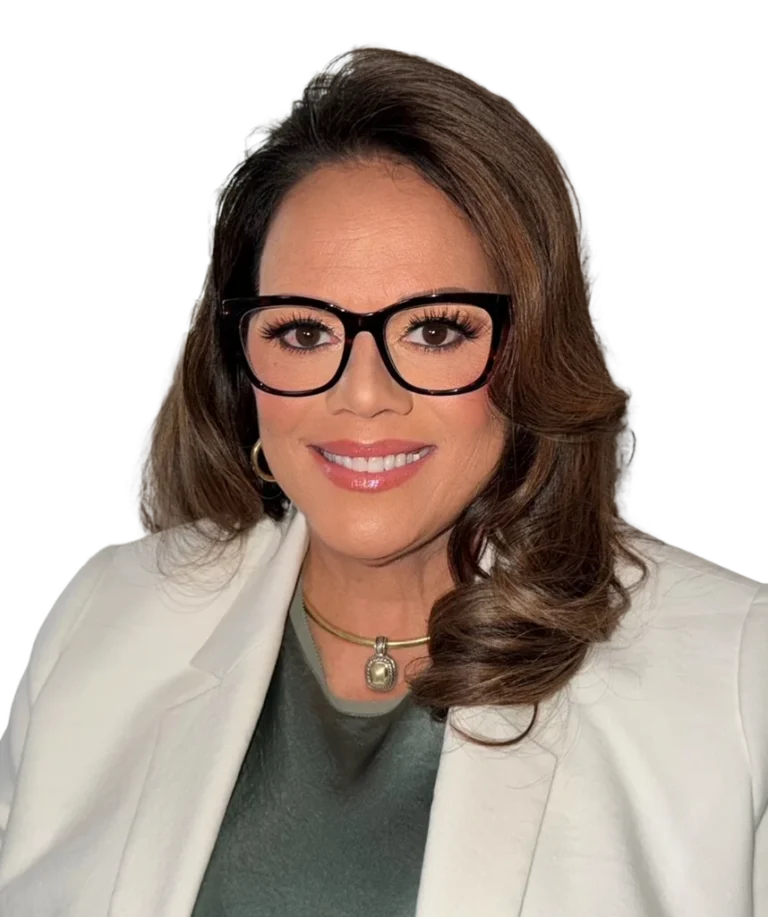
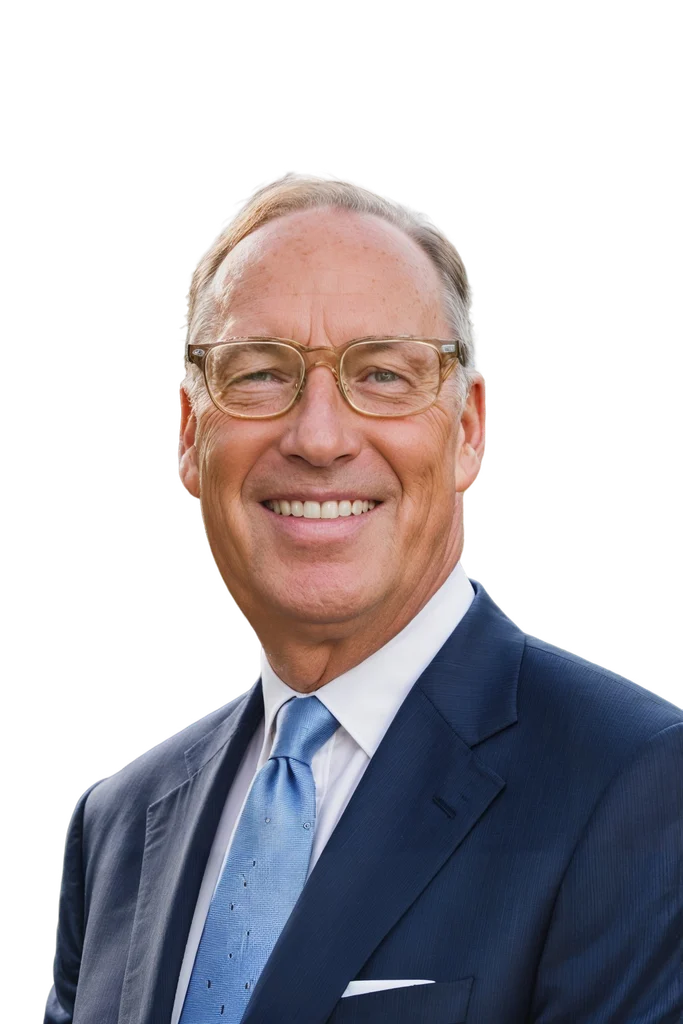
In the latest premiere episode of the sixth season of Caregiving Club On Air, host Sherri Snelling—a renowned gerontologist, author, and CEO of the Caregiving Club—sits down with Debbie Dotson, a trailblazing senior travel expert and the face behind "Ageless Adventure Travel." Together, they explore how travel can serve as a powerful tool for wellness, breaking stereotypes about aging, and providing essential respite for family caregivers.
The Intersection of Caregiving and Exploration
The primary mission of the Caregiving Club On Air podcast has always been to provide support for the "Sandwich Generation"—those balancing the responsibilities of caring for aging parents while often raising children of their own. By inviting Debbie Dotson to the show, Snelling highlights a frequently overlooked aspect of aging: the desire for continued growth and discovery.
Main Facts: The Ageless Adventure Philosophy
Debbie Dotson, known as the "Ageless Adventurer," has spent years proving that a diagnosis or a milestone birthday is not an expiration date for adventure. Her philosophy centers on the idea that travel fosters cognitive health, physical movement, and emotional rejuvenation.

During the interview, Dotson outlines the practical realities of senior travel, addressing common anxieties such as accessibility, health safety on the road, and the mental shift required to transition from a "caregiver" mindset to a "traveler" mindset. For many, the idea of leaving a loved one to go on a trip induces guilt; however, Dotson and Snelling argue that travel—even in small doses—is a form of preventative health.
A Chronology of Advocacy and Growth
The evolution of the Caregiving Club from a niche support network into a top-tier media resource is a testament to the growing need for specialized caregiving guidance.
- Foundation: Under Sherri Snelling’s leadership, the Caregiving Club began as a platform for caregiver wellness, emphasizing that "you cannot pour from an empty cup."
- Expansion: Recognizing the need for diverse content, the brand expanded into Me Time Monday workshops, a book series, and, eventually, a robust podcast network.
- The Ranking Milestone: In early 2026, the Caregiving Club On Air podcast achieved a landmark status, ranking #3 out of the top 80 caregiving podcasts globally according to the research firm Feedspot. This recognition highlights the audience’s hunger for reliable, compassionate, and expert-led advice.
- The Digital Shift (2026): In a strategic move to reach more caregivers, the organization launched the Caregiving Club News channel on YouTube. This move migrates popular segments—such as "Caregiver Wellness News" and "Well Home Design"—to a visual format, ensuring that vital research and pop-culture-related caregiver resources are accessible to a wider, mobile-first audience.
Supporting Data and Industry Trends
The success of the podcast is rooted in the shifting demographics of the American workforce. According to industry data, the number of employees juggling professional duties with eldercare is at an all-time high.
Why the #3 Ranking Matters
Feedspot’s ranking serves as an industry barometer. By securing the third spot, the Caregiving Club On Air has validated the efficacy of its "Wellness Hack" approach. Listeners have demonstrated a consistent preference for the podcast’s blend of:

- Clinical Gerontology: Evidence-based insights into aging.
- Practical Resource Integration: Direct links to services like the Elder Care Locator (1-800-677-1116), a government-funded service that helps families find local support.
- Cultural Commentary: Analyzing how media, music, and travel impact the psychological well-being of the elderly and their caregivers.
Official Perspectives: The Experts Speak
In the episode, Sherri Snelling reinforces her signature "Me Time Monday" methodology. She argues that caregivers often fall into a trap of "resignation," where they believe their life must stop because their loved one’s life is slowing down.
"Travel isn’t just about the destination," Snelling notes. "It’s about the change in scenery that triggers a dopamine response, which is crucial for those suffering from caregiver burnout."
Debbie Dotson echoes this by emphasizing that senior travel is often more accessible than people realize. From cruises with medical support to specialized senior tour groups, the travel industry has finally begun to cater to the "Ageless" demographic. Dotson suggests that the first step is often the hardest, but once a caregiver experiences the freedom of a planned, safe trip, they are more likely to implement a recurring self-care routine.
Implications for the Future of Caregiving
The movement of the Caregiving Club toward video-first content on YouTube signals a broader trend in the caregiver support industry. As the "Sandwich Generation" becomes more tech-savvy, they are demanding information that is easily digestible—such as the "Self-Care in 7 Minutes" video series.

Implications for Policy and Personal Health:
- Respite as a Medical Necessity: Articles like "9 Ways Caregivers Can Get a Free Respite Break" (PBS Next Avenue) and "7 Tips to Avoid Sandwich Generation Burn-out" (USA Today) are no longer just "lifestyle" pieces; they are becoming part of the standard discourse on healthcare costs. If a caregiver avoids burnout, they are less likely to end up in a hospital themselves, ultimately saving the healthcare system billions.
- The Rise of "Caregiver Wellness": We are seeing a shift where companies are prioritizing caregiver benefits. The Caregiving Club’s focus on workplace resources suggests that HR departments are finally viewing caregiving support as a retention strategy.
- Cognitive Health: By promoting activities like travel, brain health months, and engagement with arts and culture, the Caregiving Club is advocating for a proactive approach to aging—one that focuses on quality of life rather than just the management of decline.
Moving Forward: Resources and Engagement
As we navigate the rest of May, the Caregiving Club invites listeners and viewers to take advantage of the following resources:
- Educational Content: Subscribe to the Caregiving Club YouTube Channel for bi-weekly news updates, research highlights, and expert interviews.
- The "Me Time" Initiative: For those looking for structured self-care, Sherri Snelling’s book Me Time Monday is available through major retailers, and the accompanying workshops provide a guided path to reclaiming one’s identity outside of caregiving.
- Community Connection: For those in immediate need of support, utilize the Elder Care Locator to find local assistance.
The synergy between Debbie Dotson’s adventurous spirit and Sherri Snelling’s gerontological expertise serves as a reminder that May is not just about observing the past or the current challenges of caregiving—it is about planning for a future where independence and joy remain possible, regardless of the stage of life.
By integrating these wellness hacks into your routine, you are not only helping your loved ones; you are ensuring that your own journey remains, at its core, an adventure.
For more information on the Caregiving Club, including access to their award-winning podcast episodes and new YouTube programming, visit CaregivingClub.com.