











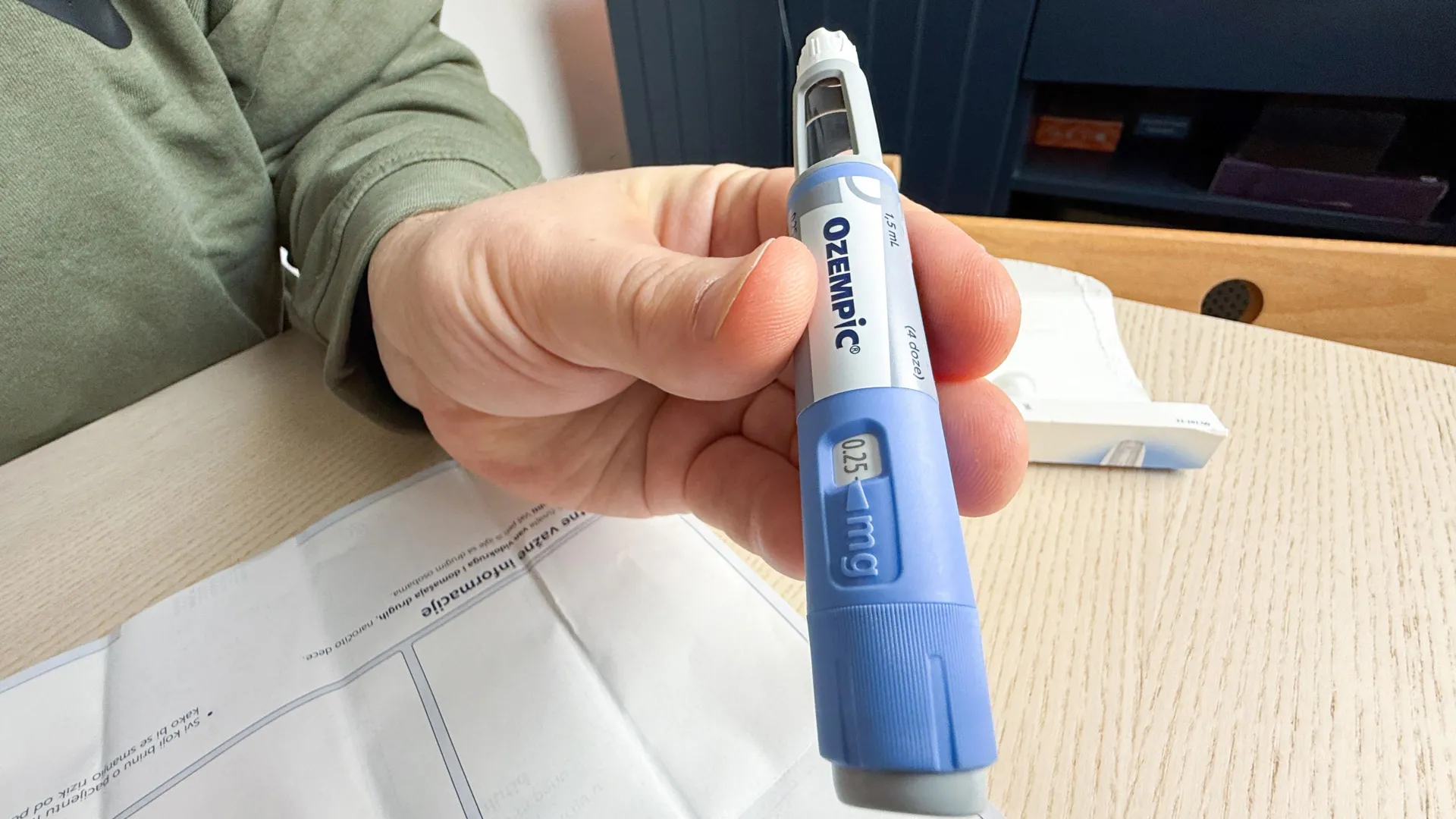
In an era defined by the meteoric rise of GLP-1 receptor agonists, a new frontier of medical research has emerged that suggests these medications may offer far more than simple weight management and glycemic control. Popular drugs such as Ozempic, Wegovy, Mounjaro, and Zepbound—already household names for their role in treating obesity and type 2 diabetes—are now under the microscope for an entirely different, potentially life-saving application: the prevention of breast cancer.
New research presented at the 2026 American Society of Clinical Oncology (ASCO) Annual Meeting and published in JCO Oncology Practice suggests that women taking these medications may experience a significantly lower incidence of breast cancer. With over 110,000 women included in the study, the findings have sent ripples through the oncology community, prompting a surge of interest in the potential for these drugs to serve as chemopreventive agents.
The Core Findings: A Significant Correlation
The study, led by researchers at the University of Pennsylvania’s Perelman School of Medicine, provides some of the most compelling evidence to date regarding the "spillover" health benefits of GLP-1 therapy.
The data revealed that women utilizing GLP-1 medications exhibited roughly a 30% lower likelihood of developing breast cancer compared to their peers who were not taking the drugs. While the researchers are quick to emphasize that the study is observational—meaning it identifies a correlation rather than proving direct causation—the sheer scale of the findings makes them impossible to ignore.
"While our study was observational and does not definitively confirm an association between GLP-1 medications and reduced breast cancer incidence, it does add to the growing body of evidence suggesting that it’s worth investigating these weight-loss drugs as potential cancer prevention tools," said Elizabeth McDonald, MD, PhD, a professor of Radiology at the University of Pennsylvania and a practicing breast radiologist at Penn’s Abramson Cancer Center.
Chronology of the Research
The journey to this discovery began with the increasing clinical observation of patients using these drugs for metabolic health. As millions of Americans adopted semaglutide and tirzepatide-based therapies, oncologists and primary care physicians began to note improvements in systemic health markers beyond just blood sugar and BMI.
- 2022–2025: The research team at Penn Medicine meticulously reviewed electronic health records from 111,646 women aged 45 to 80. Every participant in this cohort had a body mass index (BMI) of 25 or higher and had undergone routine breast imaging within the Penn Medicine system during this three-year window.
- Data Segmentation: Among the total cohort, 15,264 women (13.7%) had documented prescriptions for GLP-1 medications, while 96,382 (86.3%) served as the control group with no documented exposure to the drugs.
- The 2026 ASCO Presentation: Following the completion of the longitudinal analysis, the findings were unveiled at the 2026 ASCO Annual Meeting. The presentation highlighted not only the reduction in cancer incidence but also the rigorous methodology used to account for variables that typically skew such large-scale observational data.
Methodological Rigor: Ensuring Data Integrity
To ensure the findings were not simply a byproduct of healthier lifestyles among GLP-1 users, the research team employed a sophisticated "matched cohort" analysis.
In this secondary analysis, 30,528 women were paired—one GLP-1 user with one non-user—based on highly specific characteristics, including:
- Age and Ethnicity: Matching for demographic parity.
- Metabolic Profile: Matching for BMI and diabetes status.
- Biological Risk: Matching for breast density, a known risk factor for breast cancer.
When comparing the full population, the reduction in breast cancer odds was 35.1%. When looking at the more tightly controlled matched cohort, the reduction remained robust at 30.5%. This consistency across different statistical models bolsters the credibility of the findings and suggests that the protective effect is not merely an artifact of weight loss, but perhaps a more complex biological interaction.
The Biological Hypothesis: Why Might GLP-1 Drugs Work?
While weight loss itself is a known contributor to breast cancer risk reduction—as excess adipose tissue is linked to higher levels of estrogen and chronic inflammation—researchers suspect that GLP-1 medications may be exerting a "multifactorial" effect.
1. Inflammation Modulation
Chronic, low-grade systemic inflammation is a known fuel for tumorigenesis. GLP-1 receptor agonists are documented to possess anti-inflammatory properties, potentially lowering the systemic inflammatory markers that provide a favorable environment for cancer cells to proliferate.
2. Metabolic and Epigenetic Shifts
Beyond the reduction of fat cells, these drugs affect metabolic pathways that are deeply intertwined with insulin signaling. Insulin resistance is a known risk factor for various malignancies. By optimizing metabolic pathways and influencing epigenetic processes—which dictate how genes are expressed—these drugs may act as a systemic "brake" on the pathways that trigger cancerous mutations in breast tissue.
3. The "Off-Label" Potential
"GLP-1 medications are intriguing from a cancer research perspective because they weren’t designed for cancer therapy, but they do affect many different targets and pathways associated with cancer development," Dr. McDonald noted. This unique position—being drugs that are already widely used and generally well-tolerated—makes them an ideal candidate for repurposing.
The Path Forward: Clinical Trials and Future Research
Despite the positive findings, the medical community remains cautious. Observational studies are often subject to "confounding by indication"—the idea that patients who seek out these treatments may already be more proactive about their health in ways that are hard to measure.
To move from correlation to causation, the team at Penn Medicine is currently working to launch a multisite, prospective clinical trial. This trial will specifically target women deemed to be at high risk for breast cancer, including those with a documented family history or prior breast health concerns. By tracking these patients in a controlled setting, researchers hope to determine if the medication itself, rather than the secondary health behaviors of the patients, is the catalyst for reduced cancer incidence.
Future iterations of this research are also expected to address the limitations of the initial study, which did not distinguish between specific brands (e.g., the efficacy of semaglutide vs. tirzepatide) or account for the duration of treatment.
Implications: A New Pillar of Cancer Prevention?
Currently, the options for high-risk breast cancer prevention are limited and often carry significant burdens for the patient. While mammography and MRI remain the gold standard for detection, prevention strategies are often invasive or carry unwanted side effects.
- Surgical Intervention: For those with high genetic risk, prophylactic mastectomy is an option, though it is life-altering and physically taxing.
- Pharmacological Barriers: Medications like Tamoxifen have been proven effective at reducing breast cancer incidence in high-risk groups, yet many women avoid them due to significant side effects, including mood disturbances and uterine risks.
The introduction of GLP-1 medications into the cancer prevention conversation changes the landscape significantly. Because these drugs are already being used by millions for metabolic health, their potential as a preventative tool carries a "path of least resistance." If clinical trials confirm these findings, the medical community could move toward a preventative model that addresses both metabolic health and cancer risk simultaneously.
"It’s been encouraging to see the survival rates for breast cancer improve over recent decades," Dr. McDonald said. "We’d love to see the same gains in prevention."
As the scientific community awaits the results of upcoming clinical trials, the study stands as a beacon of optimism. While it is not yet time to prescribe these drugs for cancer prevention, the data suggests that we may be on the verge of a paradigm shift in how we approach the intersection of metabolic health and oncology.
This research was made possible through the support of the American College of Radiology Center for Research and Innovation, the Pennsylvania Breast Cancer Coalition, and the Abramson Cancer Center. For more information on ongoing clinical trials and breast cancer research, patients are encouraged to consult their primary care physicians or oncologists.