









In the landscape of modern medicine, few conditions are as debilitating or as pervasive as chronic pain. Affecting millions of Americans, persistent pain does more than limit physical mobility; it erodes mental well-being, stifles productivity, and alters the fundamental quality of life. For residents of Southwest Florida, a shift in clinical philosophy is redefining how these patients are treated. At the forefront of this movement is the Southwest Florida Pain Center, a facility that has garnered regional acclaim for its commitment to moving beyond the traditional reliance on pharmacological intervention in favor of advanced, interventional procedures.
By marrying sophisticated diagnostic imaging with high-precision surgical techniques, the Center is setting a new benchmark for patient care. This report examines the evolution of interventional pain management, the clinical methodologies employed at the Southwest Florida Pain Center, and the broader implications for the future of pain medicine.
Main Facts: A Paradigm Shift in Pain Mitigation
The Southwest Florida Pain Center operates on a core premise: that chronic pain is a mechanical and neurological puzzle that requires precise intervention rather than generalized symptom management. Unlike traditional pain clinics that may lean heavily on systemic pharmaceutical regimens—which often come with risks of dependency and side effects—this facility focuses on "high-tech, high-touch" medicine.
The center’s primary objective is the mitigation of chronic pain at its biological root. This is achieved through an integrated care model that utilizes on-site, state-of-the-art surgical suites. By keeping the diagnostic and surgical components under one roof, the center ensures continuity of care, reducing the friction often associated with navigating complex medical networks.
Key pillars of their approach include:
- Interventional Precision: Utilizing real-time imaging, such as fluoroscopy and ultrasound, to target specific nerve clusters or damaged tissues.
- Non-Pharmacological Focus: Prioritizing procedures that resolve the underlying pathology, thereby reducing the necessity for chronic opioid or analgesic use.
- Personalized Treatment Pathways: Recognizing that pain is subjective, the center tailors surgical and interventional plans to the individual’s unique anatomy and lifestyle goals.
Chronology: The Evolution of Pain Management in Florida
The journey of the Southwest Florida Pain Center is reflective of a broader evolution in medical science. Historically, pain management was often treated as a tertiary concern, frequently relegated to general practitioners or orthopedic specialists who lacked the specific focus required for complex, chronic cases.
The Traditional Era (1980s–2000s)
For decades, the standard of care for chronic pain—particularly back and spinal issues—was largely passive. Patients were often cycled through conservative physical therapy and, when that failed, prescribed long-term medication regimens. If these failed, invasive "open" surgery was the final, often daunting, option.
The Rise of Interventional Medicine (2010s)
As imaging technology advanced, the medical community began to recognize that "minimally invasive" was the gold standard. The Southwest Florida Pain Center emerged during this window, adopting technologies that allowed physicians to reach deep-seated nerve pathways without the need for traditional, high-risk surgery.
The Modern Era: Integration and Technology (2017–Present)
The current state of the center represents the culmination of this evolution. By establishing on-site surgical suites, the center moved beyond the hospital-based model. This allowed for faster turnaround times for procedures, decreased costs for the patient, and a more controlled, "artistic" environment that prioritizes patient comfort—a stark contrast to the sterile, intimidating atmosphere of a traditional hospital surgical ward.
Supporting Data: The Science Behind the Procedures
The efficacy of the Southwest Florida Pain Center rests on a foundation of proven interventional techniques. By targeting the source of the pain, these procedures offer long-term relief where systemic drugs fail to provide anything more than a temporary masking effect.
Advanced Diagnostic and Therapeutic Modalities
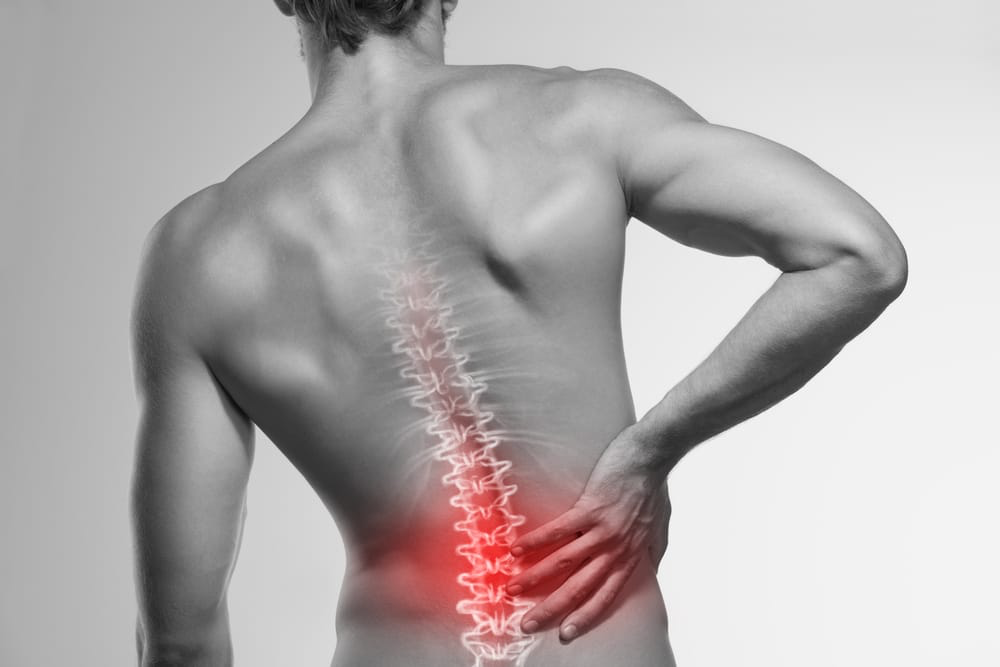
- Radiofrequency Ablation (RFA): This technique uses electrical currents to heat a small area of nerve tissue, effectively decreasing the pain signals from that specific area. It is a cornerstone for patients suffering from chronic facet joint pain.
- Spinal Cord Stimulation (SCS): A cutting-edge approach for patients with nerve damage. By implanting a device that sends mild electrical impulses to the spinal cord, doctors can intercept pain signals before they reach the brain.
- Discography: A diagnostic procedure that helps physicians pinpoint which spinal disc is the culprit of a patient’s discomfort, allowing for targeted treatment rather than "blind" therapy.
- Ultrasound and Fluoroscopy Guided Injections: These allow for extreme precision. By using live imaging, the physician ensures the medication—typically an anti-inflammatory or anesthetic—is placed exactly at the site of inflammation, minimizing the risk to surrounding healthy tissue.
The "High-Touch" Component
While the technology is advanced, the center emphasizes that technology alone is insufficient. The "high-touch" element refers to the psychological and supportive care provided by the clinical team. Pain is an isolating experience; by providing a soothing, artistic environment, the center addresses the patient’s stress levels, which are clinically proven to exacerbate pain perception.
Official Responses and Clinical Philosophy
The center’s leadership and affiliated practitioners have long advocated for a shift in how chronic pain is viewed by the insurance and medical industries. According to internal reports and features from regional publications like Harborstyle Magazine, the goal is to dismantle the "pill-first" mentality.
"Our mission is not just to provide a temporary fix," a lead representative noted. "It is to restore the lifestyle that the patient feels they have lost. When you remove the source of the pain, you remove the need for the drug."
This philosophy has faced both challenges and successes. Critics of interventional pain management often point to the high upfront cost of surgical suites and equipment. However, the Southwest Florida Pain Center argues that these costs are offset by the long-term reduction in medical appointments, pharmacy costs, and the restoration of the patient’s ability to participate in the workforce.
Implications: The Future of Pain-Free Living
The implications of the model used by the Southwest Florida Pain Center are significant for both the healthcare industry and the general public.
Reducing the Opioid Dependency Crisis
The most vital implication of aggressive, interventional pain management is its potential to mitigate the opioid crisis. By providing viable, non-narcotic alternatives for pain relief, centers like this act as a firewall against initial opioid prescriptions. When a patient’s pain is effectively managed via an epidural steroid injection or radiofrequency ablation, the incentive to seek out or continue narcotics is significantly diminished.
The Shift Toward Outpatient Autonomy
The center’s success with on-site surgical suites highlights a growing trend: the decentralization of specialized surgery. As outpatient technology improves, more complex procedures are moving out of the hospital system and into specialized, private clinics. This shift allows for:
- Enhanced Patient Comfort: Smaller, more personalized settings reduce hospital-acquired infection rates and patient anxiety.
- Operational Efficiency: Lower overhead costs compared to large hospitals allow these centers to focus more resources on the patient-physician relationship.
- Better Outcomes: Dedicated pain centers focus exclusively on pain, allowing staff to develop a level of expertise that general surgeons or primary care physicians cannot match.
A New Standard for Patient Expectations
As patients become more educated about their options, the demand for "interventional" over "medicated" will continue to grow. The Southwest Florida Pain Center is effectively raising the bar. Patients are no longer willing to accept "learning to live with it" as a diagnosis. They are seeking out facilities that offer a roadmap to a pain-free life, demanding the same level of diagnostic accuracy and surgical precision that they would expect for any other organ-specific condition.
Conclusion
The Southwest Florida Pain Center serves as a microcosm of where modern medicine is headed. By focusing on the intersection of advanced technology and patient-centered care, it has demonstrated that chronic pain is not an inevitable life sentence.
Through the strategic use of interventional techniques, the center is not just managing symptoms—it is actively working to eliminate them. For the residents of Florida, this represents a major victory in the ongoing battle against chronic pain, offering a pathway that is safer, faster, and ultimately more effective than the standard protocols of the past. As we move forward, the "high-tech meets high-touch" model will likely become the standard for pain centers nationwide, proving that when medicine is practiced with both precision and empathy, the results can be life-changing.