








The Vanguard of Discovery: Investing in the Next Generation
Tomorrow’s medical breakthroughs are not merely products of chance; they are the result of sustained, strategic investment in the intellectual capital of the present. At the heart of this endeavor is the Cancer Research Institute (CRI), an organization that has spent over half a century operating under a singular, powerful premise: to unlock the secrets of the immune system to conquer cancer. As we stand at the precipice of a new era in precision medicine, the CRI continues its mission by placing its faith—and its resources—in the most promising early-career scientists.
By supporting researchers at the critical juncture of their professional development, the CRI is not just funding projects; it is shaping the future of oncology. These young investigators represent the vanguard of scientific progress, bringing the curiosity, tenacity, and innovative spirit required to tackle the most complex biological puzzles of our time.
A Legacy of Vision: From Lloyd J. Old to the Present
To understand the significance of the current CRI fellowship programs, one must look back to 1971. In an era when the role of the immune system in fighting cancer was largely dismissed or misunderstood, the CRI’s founding scientific and medical director, Dr. Lloyd J. Old, possessed a profound, counter-intuitive vision. He believed that the immune system held the key to long-term cancer remission and that the only way to prove it was to cultivate a cadre of elite young investigators dedicated to the nascent field of tumor immunology.
Dr. Old’s vision was the genesis of the CRI’s postdoctoral fellowship program. At a time when the field was still in its infancy, he provided the training ground for the very people who would eventually turn immunotherapy from a fringe concept into a pillar of modern cancer care. Today, that legacy is carried forward through the CRI Irvington Postdoctoral Fellowship, a prestigious program that has served as a career springboard for more than 1,600 scientists across 176 institutions globally. Spanning 30 U.S. states and 15 countries, this network of alumni forms the backbone of contemporary cancer immunology.
The Digital Frontier: Immuno-Informatics and the AI Revolution
The landscape of cancer research is shifting rapidly, moving away from purely laboratory-based discovery toward a data-driven paradigm. Recognizing that the future of immunotherapy lies at the intersection of biology and computation, the CRI launched the CRI Immuno-Informatics Postdoctoral Fellowship in 2022.
This initiative is designed to prepare a new generation of researchers to master the tools of the future: bioinformatics, computational biology, and artificial intelligence. As clinical trials generate increasingly massive datasets—ranging from single-cell sequencing to complex spatial proteomics—the ability to interpret this data is as important as the ability to generate it. By training fellows to harness the power of AI, the CRI is ensuring that the immunotherapy field can identify novel targets, predict patient responses, and personalize treatments with unprecedented accuracy.
The Financial Engine: Nearly $200 Million in Commitment
Scientific innovation is a capital-intensive pursuit. In recent years, the landscape of federal research support has faced significant disruptions, leaving many brilliant early-career scientists in a state of precariousness. In response to this funding gap, the CRI has doubled down on its commitment to the next generation.
To date, the organization has invested nearly $200 million into early-career researchers. This year alone, as demand for support reached new heights, the CRI expanded its impact by investing an additional $2.5 million to fund 10 extra postdoctoral fellowships. This infusion of capital ensures that the pipeline of talent remains robust, providing a bridge for scientists who might otherwise be forced to abandon their research during the most productive years of their careers.
Official Perspectives: The Impact of Sustained Support
The commitment of the CRI goes beyond simple grant-making; it is about fostering a community of practice. By providing sustained support during the postdoctoral phase—a period often described as the "make-or-break" stage for academic researchers—the CRI empowers these individuals to pursue high-risk, high-reward projects.
"The researchers we support are not just doing jobs; they are pursuing the answers to some of the most difficult questions in biology," says a representative from the CRI. "When we provide these fellowships, we are essentially giving these scientists the ‘permission’ to think boldly. We are saying that we trust their curiosity and their potential to change the world."
The fellows selected for the Fall 2025 and Spring 2026 classes exemplify this spirit. Their work spans the frontiers of tumor immunology, cellular engineering, and synthetic biology. These projects, often requiring years of effort and immense computational heavy-lifting, are the building blocks of the next generation of lifesaving immunotherapies.
The Implications: Building a World Immune to Cancer
The ripple effect of these fellowships is profound. A single postdoctoral fellow, supported by the CRI, can go on to lead their own laboratory, mentor dozens of students, and influence the direction of global research for decades. By investing in the person rather than just the project, the CRI creates a multiplier effect that accelerates the pace of discovery.
Advancing Emerging Frontiers
The research conducted by the current cohorts of fellows is diverse and ambitious:
- Cellular Engineering: Fellows are exploring ways to program T-cells to be more resilient within the hostile environment of the tumor microenvironment.
- Computational Biology: By applying machine learning models to immunotherapy data, researchers are uncovering why certain patients respond to treatment while others do not.
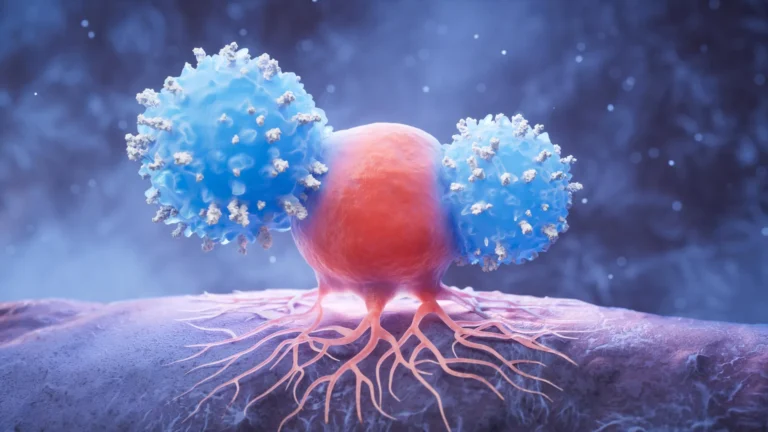
- Tumor Immunology: Investigations into the complex interplay between tumor cells and the immune system are revealing new pathways that can be targeted to "unmask" cancer cells.
These areas of study are not merely academic; they are the foundation for the next wave of clinical breakthroughs. Whether it is through the development of more effective CAR-T therapies or the creation of predictive biomarkers for checkpoint blockade, the work of these fellows is directly tied to improving patient outcomes.
Conclusion: Celebrating a Collective Future
As we introduce the Fall 2025 and Spring 2026 classes of CRI Irvington and Immuno-Informatics Postdoctoral Fellows, we are reminded that the fight against cancer is a collective endeavor. It is a marathon that spans generations, requiring the wisdom of mentors and the fire of the young scientists who will eventually take their place.
The CRI’s dedication to these individuals is a testament to the belief that the cure for cancer will not be found by one person, in one lab, or in one day. It will be found by a global community of innovators, empowered by the resources and the belief that a world "immune to cancer" is not just a dream—it is an achievable reality.
We invite the scientific community, donors, and the public to learn more about these remarkable individuals. Their stories are the stories of the future, and their success is our best hope for a healthier, cancer-free world.
For more information on the CRI postdoctoral fellowship programs and to follow the progress of our current fellows, please visit the Cancer Research Institute website.