





In an era where technology promises to bridge the gap between independence and safety, the unsettling case of Nancy Guthrie, the 84-year-old mother of acclaimed television host Savannah Guthrie, has sent shockwaves through the caregiver community. The incident, which involved the apparent abduction of the octogenarian from her own home, has transcended celebrity news to become a sobering wake-up call for the "Sandwich Generation"—those millions of adults simultaneously caring for aging parents and their own children.
This February, Sherri Snelling, a noted gerontologist, author, and host of the "Caregiving Club On Air" podcast, dedicated a special episode to dissecting the implications of the Guthrie case. By inviting leading experts to weigh in, the discussion aims to pivot from the shock of the headline to actionable, life-saving strategies for families managing the care of elderly loved ones.

The Anatomy of the Incident: A Catalyst for Concern
The details of Nancy Guthrie’s case have highlighted a terrifying reality: even those who appear to have security measures in place can remain vulnerable. While the specifics of the investigation are ongoing, the event has acted as a primary catalyst for a broader national conversation regarding the safety of older adults living alone.
For families, the incident raises immediate, painful questions: How do we balance an aging parent’s desire for autonomy with the non-negotiable need for security? How can we leverage modern "AgeTech" without infringing on privacy or causing unnecessary anxiety?

Expert Insights: Addressing the Health-Safety Nexus
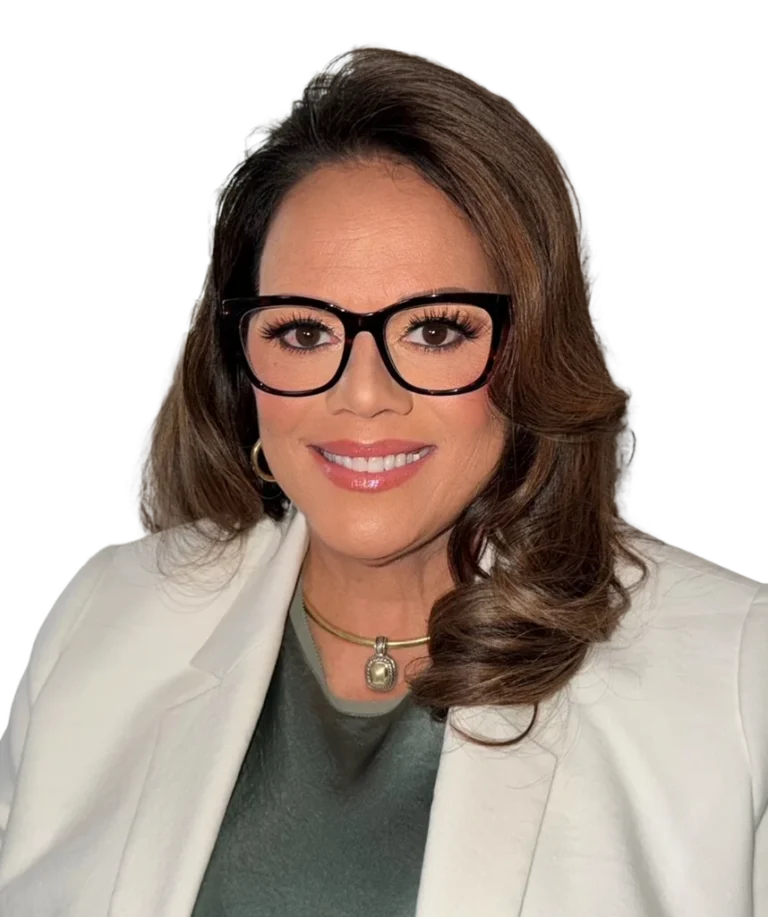
To unpack these complex issues, Sherri Snelling turned to two industry leaders: Dr. Tina Sadarangani, a geriatric nurse and Assistant Professor at NYU, and Abbie Richie, a prominent tech consultant and founder of The Smarter Service.
The Hidden Risks of Stress in Aging Populations
Dr. Tina Sadarangani, the visionary behind the "Enlightened Caregiver" platform and the CareMobi app, emphasizes that the physical toll of a security crisis on an older adult is often underestimated. "We aren’t just talking about the immediate danger of an abduction or a home intrusion," Dr. Sadarangani explains. "When an older adult experiences acute stress, their physiological response is significantly more severe than that of a younger person."

According to Dr. Sadarangani, caregivers must monitor for:
- Cardiovascular strain: Sudden spikes in heart rate and blood pressure, which can be life-threatening for those with pre-existing conditions.
- Anxiety-induced dehydration: Older adults often have a diminished thirst response, and trauma can quickly accelerate dehydration, leading to confusion and cognitive decline.
- Mobility impairment: Fear can cause a "freeze" response, making it difficult for an older adult to escape or navigate their own home safely during an emergency.
Dr. Sadarangani advocates for a proactive approach, suggesting that families use news events like the Guthrie case as "teachable moments" rather than sources of alarm. "It’s about having the talk before the crisis," she notes. By framing the conversation around empowerment—discussing health tools and safety protocols as a way to preserve independence—caregivers can reduce the anxiety that often makes older adults resistant to change.

Navigating the AgeTech Landscape
While policy and community support are vital, technology is the modern frontline of defense. Abbie Richie, the "Tech Guru" for The Smarter Service, points out that the devices Nancy Guthrie had access to—including an Apple Watch synced to a pacemaker and Google Nest home surveillance—are powerful, but only if they are integrated correctly into a comprehensive safety plan.
"Many families buy the technology but fail to implement the human side of the system," Richie says. "The tech is the tool; the service and the support network are the solution."

Richie identifies three tiers of AgeTech that families should consider:
- Passive Monitoring: Devices like motion sensors and smart cameras that provide visibility without requiring the older adult to interact with them constantly.
- Wearable Health Integration: Devices that monitor heart health and vitals, providing alerts to family members if an anomaly is detected.
- Communication Concierge: Services that provide tech education, ensuring the older adult feels comfortable and confident using their devices, which is the biggest hurdle to adoption.
"Privacy concerns are the number one pushback I hear from seniors," Richie observes. "The key is to frame the technology as a ‘safety net’ rather than a ‘surveillance system.’ When they understand that a smart camera is there to help them in an emergency—rather than watch their every move—they are much more likely to embrace it."

Bridging the Gap: The Role of the Sandwich Generation
The "Sandwich Generation" is arguably the most stressed demographic in modern society. Caught between the demands of their own careers, their children, and the declining health of their parents, they are often ill-equipped to manage the logistics of home safety.
The consensus from the Caregiving Club experts is clear: planning is the only antidote to panic. This involves a three-pronged approach:

1. Digital Literacy for Seniors
It is not enough to install a smart lock or a Ring doorbell; the senior must be trained to use it. Many older adults feel alienated by modern interfaces. Providing consistent, patient, and professional tech support (like that offered by The Smarter Service) is essential for ensuring these tools are actually used during an emergency.
2. The "Medical-Tech" Bridge
Dr. Sadarangani’s CareMobi app exemplifies the future of health-tech, where medical data is directly linked to the caregiver’s ecosystem. By integrating medical records and real-time health monitoring, families can make data-driven decisions about when it might be time to move from independent living to assisted care, or when a home environment requires modification.

3. Open Lines of Communication
The most sophisticated alarm system in the world is useless if the family does not have a plan for who to call and what to do when an alert triggers. Families should formalize a "Check-in Protocol," where technology serves as a facilitator for daily interaction, rather than a replacement for it.
Looking Forward: CareCon 2026 and Beyond
As the conversation around caregiver support continues to evolve, events like CareCon 2026 have become essential hubs for information and community. On February 25, 2026, founders Lauren Miller Rogen and Seth Rogen will host their annual free, virtual day of dementia caregiver support.

Sherri Snelling, who will be hosting a workshop titled "Managing Anxiety and Protecting Your Well-Being as a Caregiver," notes that the goal is to move the needle from reactive care to proactive support. "We want to empower caregivers to stop the cycle of burnout," she states. "The Guthrie case is a reminder that we live in an unpredictable world, but through education, community, and the right application of technology, we can create safer environments for our loved ones."
Conclusion: A Proactive Future
The incident involving Nancy Guthrie is a stark reminder that the challenges of aging are not purely medical—they are systemic. As the population continues to age, the integration of AgeTech into the home will move from a luxury to a necessity. However, the true solution remains the human element: the vigilance, the love, and the difficult, necessary conversations that define the caregiver experience.

By embracing tools that promote health monitoring, home security, and consistent communication, the Sandwich Generation can provide their parents with the dignity of independence while ensuring the safety that every individual deserves. As we move forward, the goal must be to build a culture where technology is the silent partner in caregiving, and community—through resources like the Caregiving Club and CareCon—remains the voice of support.
Summary of Key Resources for Caregivers
- Elder Care Locator (eldercare.gov): A public service of the U.S. Administration on Aging to help find local support resources.
- CareMobi App: A tool for streamlining medical information and caregiving tasks.
- The Smarter Service: Tech concierge support for older adults and their families.
- Caregiving Club YouTube Channel: A comprehensive library of "Self-Care in 7 Minutes" videos and professional interviews designed to reduce caregiver stress.
- CareCon 2026: A free virtual event providing education and community for those caring for loved ones with dementia.