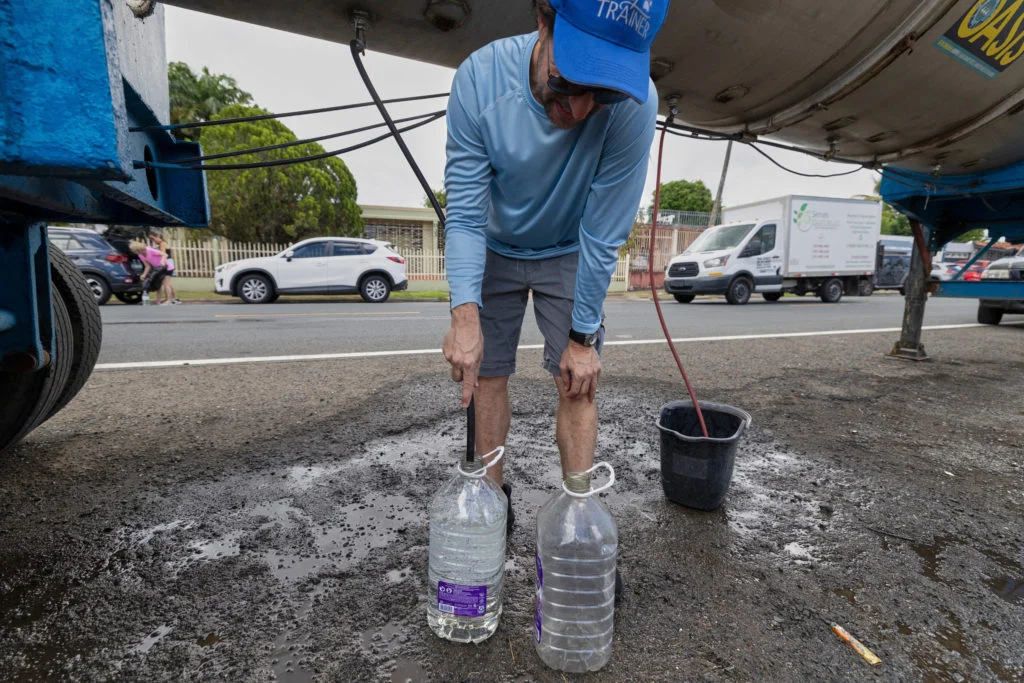
Puerto Rico is once again grappling with a humanitarian crisis that hits at the very core of daily survival: the availability of water. As severe drought conditions tighten their grip on the island, the government has been forced to implement a sweeping water-rationing program. For hundreds of thousands of residents, this means enduring recurring 48-hour shut-offs, a measure that is not only disrupting the rhythm of daily life but also raising urgent alarms regarding public health, administrative transparency, and the long-term viability of the island’s crumbling infrastructure.
The current situation is far more than a mere meteorological anomaly. While the drought is the immediate catalyst, the crisis has become a flashpoint for deep-seated frustrations regarding systemic neglect, poor management, and a water distribution network that is effectively hemorrhaging resources before they ever reach the taps of households.
The Anatomy of the Crisis: A Chronology of Decline
The current water emergency did not manifest overnight. It is the culmination of months of dwindling precipitation and years of deferred maintenance.
The Onset
As early as May, meteorologists and climate experts began tracking a significant decrease in rainfall across the island. The patterns signaled the arrival of a severe, prolonged dry spell, exacerbated by shifting climate trends. While the island is accustomed to seasonal fluctuations, this year’s deficit has been particularly pronounced. By late summer, reservoir levels—the lifeblood of Puerto Rico’s water supply—had dipped to critical lows, forcing the Puerto Rico Aqueduct and Sewer Authority (PRASA) to move from voluntary conservation requests to mandatory service interruptions.
The Implementation of Rationing
Beginning this week, the island’s major urban centers were transitioned into a strict rotation schedule. Under this plan, water service is terminated for 48-hour blocks, intended to manage the depletion rates of reservoirs like the Carraízo, which serves a vast portion of the San Juan metropolitan area.
However, the rollout has been marred by logistical chaos. Residents report that the published schedules often fail to align with the actual presence or absence of water. For some, the water remains off long after the scheduled restoration; for others, it remains on when it should be off, creating a climate of uncertainty that makes it impossible for families to plan basic chores, hygiene, or hydration needs.
Data and Disparity: A System Hemorrhaging Resources
The most damning aspect of the current crisis is not the lack of rain, but the inability of the existing infrastructure to manage the water that is available. Independent investigative reporting and expert analysis paint a harrowing picture of a system in total disarray.
The 60 Percent Loss
According to water resource experts and investigative journalists, the Puerto Rican water system loses an estimated 60 percent of its treated water to leaks and structural failures. This is not merely a statistical nuisance; it is a catastrophic loss of a vital public resource.
In the case of the reservoirs currently under rationing, the math is stark. On an average day, officials extract approximately 90 million gallons of water to supply the grid. However, due to the derelict state of the piping and the lack of consistent, modern maintenance, only about 65 million gallons reach the end consumers. The remaining 25 million gallons—over 27 percent of the daily extraction—simply vanish into the earth or are lost to broken mains, unmetered connections, and ancient, unpatched infrastructure.
The Disparity of Service
The crisis has also laid bare the socioeconomic inequities in water access. While the government rolls out a blanket rationing plan, many communities across the "Big Island" have lived without reliable water service for over a year, long before the drought intensified. For these residents, the current "emergency" is simply an escalation of a permanent state of neglect. The lack of clear communication from authorities has only deepened the divide, as those with the least resources are left to navigate the crisis without even the benefit of an accurate schedule.
The Official Response: Between Conservation and Accountability
The government’s response to the crisis has been met with skepticism and, at times, open derision from the public. Governor Jenniffer González-Colón recently issued a public plea, urging residents to embrace rigorous water conservation habits.
"Sometimes, we’re showering and we leave the water running and we wash our hair and leave the water running," the Governor stated through an interpreter. "Let’s shut it off when we’re washing and then turn it back on to rinse off. That can be the difference in reducing water consumption. Same thing when we wash dishes or do laundry."
While individual conservation is a standard recommendation during any drought, many residents view the Governor’s focus on personal water-saving habits as a deflection. Critics argue that the government is shifting the burden of a structural, systemic failure onto the shoulders of the citizenry. The argument from the public is clear: when 60 percent of the water is being lost to a broken grid, asking a family to turn off the faucet while brushing their teeth feels like a hollow gesture—a drop in the bucket compared to the millions of gallons being lost daily to government negligence.
Implications: A Future Under Pressure
The implications of the current crisis are far-reaching, touching on health, economic stability, and the psychological well-being of the population.
Public Health Concerns
The combination of water rationing and high temperatures creates a high-risk environment for public health. The inability to maintain basic hygiene, the potential for stagnant water in pipes when service is restored, and the stress of navigating constant uncertainty are significant health stressors. Furthermore, the reliance on bottled water for those who can afford it—and the lack of alternatives for those who cannot—creates a secondary crisis of plastic waste and economic strain.
The Climate Outlook
Meteorologists have warned that the current drought may be tied to a severe El Niño cycle that has yet to reach its peak. Experts suggest that the current dry conditions could persist through the end of the year. If this projection holds true, the current rationing schedule may only be the beginning of a much longer, more painful ordeal.
The Need for Structural Reform
The path forward, according to environmental scientists and civil engineers, lies in the management of underground aquifers. Puerto Rico possesses significant groundwater resources that have been historically overlooked in favor of surface-level reservoirs. Experts suggest that if the government shifted its focus to the restoration of these aquifers and prioritized the repair of the leaking distribution network, the island would be significantly more resilient to climate fluctuations.
"There’s water there," notes investigative reporter Laura N. Perez Sanchez. "If we manage our resource better, we should not run out of water, or at least not as soon as it seems that we could."
Conclusion: A Call for Transparency
The crisis in Puerto Rico is a stark reminder of the cost of deferred infrastructure maintenance. It is a story of a modern society struggling to maintain the most basic human necessity because the machinery of government has failed to keep pace with the needs of the population and the realities of a changing climate.
For now, the people of Puerto Rico are left waiting for a "miracle storm"—a phrase often used with a mix of hope and irony by residents. But a sustainable future cannot be built on the hope for miracles. It requires a transparent, long-term commitment to infrastructure reform, an overhaul of the water management system, and a government that takes responsibility for its failings rather than asking its citizens to endure the consequences of systemic decay. Until that shift occurs, the sound of the rain will remain the only thing keeping the island from a deeper, more permanent catastrophe.