







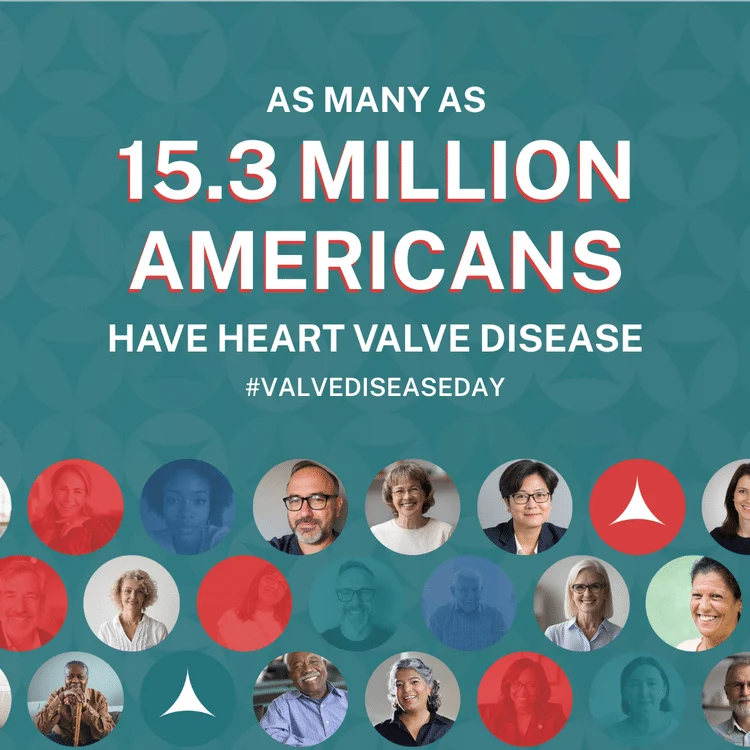
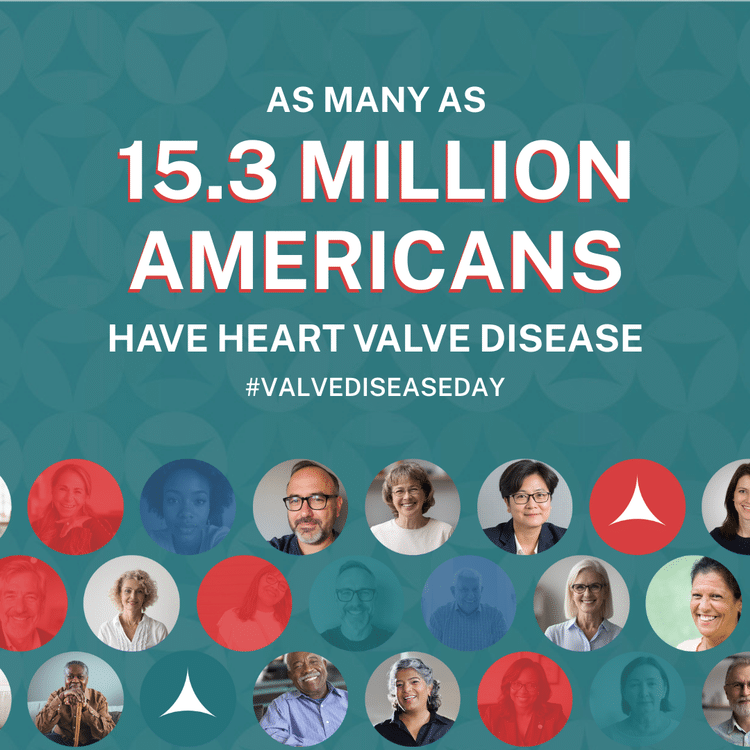
On February 22, the medical community and patient advocacy groups observe Heart Valve Disease Awareness Day, a date that carries extra weight in 2026 as it marks the campaign’s 10th anniversary. Over the past decade, this initiative has transformed from a grassroots call to action into a robust, global movement aimed at addressing a condition that affects approximately 15.3 million Americans. Despite significant strides in medical technology and public understanding, the disease remains dangerously underdiagnosed, prompting a major relaunch of resources as the campaign enters its second decade.
The Core Mission: Bridging the Knowledge Gap
Heart valve disease (HVD) occurs when one or more of the heart’s four valves do not function properly, disrupting blood flow. While often treatable, the condition is frequently overlooked because its symptoms—such as fatigue, shortness of breath, and dizziness—are often dismissed as normal signs of aging.
For the past ten years, the Heart Valve Disease Awareness Day campaign has centered on a singular, urgent goal: to encourage earlier, more informed conversations between patients and their physicians. The campaign seeks to move the needle from "living with symptoms" to "listening to your heart," advocating for routine screenings and cardiac auscultation during standard check-ups.
A Decade of Milestones: A Chronology of Advocacy
The evolution of the campaign reflects a broader shift in how chronic cardiovascular conditions are managed in the United States.
- 2016–2018: The Foundational Years. The initiative began with a focus on education, establishing the basic vocabulary needed to describe valvular issues to the public. Efforts were directed at primary care physicians to emphasize the importance of listening for heart murmurs.
- 2019–2021: Expanding the Reach. As social media became a primary tool for health communication, the campaign introduced the "Listen to Your Heart" hashtag. During this period, the focus shifted to patient empowerment, encouraging those with a family history of heart disease to advocate for their own diagnostic tests, such as echocardiograms.
- 2022–2024: Policy and Partnership. The campaign began engaging directly with policymakers. Recognizing that awareness is only the first step, the movement started pushing for better insurance coverage for diagnostic imaging and structural heart interventions.
- 2025–2026: The Anniversary Relaunch. Entering its 10th year, the campaign has pivoted toward accessibility. With the launch of a redesigned website and a comprehensive digital press kit, the organizers are focusing on making advocacy effortless for the average citizen.
Supporting Data: The Scale of the Crisis
The figure of 15.3 million affected Americans is not just a statistic; it is an indicator of a silent public health crisis. Epidemiological data suggests that as the U.S. population ages, the prevalence of valvular disease will continue to rise.

Key Factors Contributing to Underdiagnosis:
- Symptom Attribution: Because the onset of symptoms is often gradual, patients frequently "normalize" their decline in physical stamina.
- The Stethoscope Gap: Research indicates that reliance on sophisticated imaging has sometimes led to a decline in the thoroughness of physical exams, where the first clue—a heart murmur—is often identified.
- Lack of Public Literacy: Unlike high blood pressure or cholesterol, "heart valve health" is rarely a topic of conversation in standard wellness screenings until a significant event occurs.
By providing easy-to-understand educational materials, the campaign’s newly updated website aims to bridge this data gap, offering clear infographics and patient stories that highlight exactly what the disease looks like in daily life.
Digital Innovation: The Redesigned Resource Hub
To mark the 10th anniversary, the Heart Valve Disease Awareness Day campaign has overhauled its digital presence. The new website serves as a centralized clearinghouse for information.
What’s New:
- Centralized Patient Narratives: Real-world accounts of diagnosis and treatment are now front and center, providing comfort and guidance to newly diagnosed patients.
- Streamlined Campaign Resources: Advocacy kits, event planning guides, and downloadable collateral are available with a single click.
- Social Press Kit: Recognizing that the most effective advocacy happens on social platforms, the campaign has released a refreshed "Social Press Kit." This includes pre-written posts, ready-to-use graphics, and a strategy guide for maximizing the reach of the #ValveDiseaseDay hashtag.
These tools are designed to lower the barrier to entry for local organizations and individuals who want to participate in the conversation but may lack the time or design resources to create their own materials.
Official Responses and the D.C. Reception
The campaign’s impact is perhaps best illustrated by its reach into the halls of government. To commemorate the anniversary, a flagship reception is scheduled for February 25 at the U.S. Capitol Visitor Center in Washington, D.C.
"This event is not just a celebration of the last ten years," says Katrin Werner-Perez, Director of Health Programs at the Alliance for Aging Research. "It is a strategic convening of the minds. We are bringing together policymakers, cardiologists, and patient advocates to look at the work still required to make heart valve screening a standard of care."
The event aims to foster a collaborative environment where policy discussions—such as expanding access to transcatheter valve procedures and improving geriatric cardiovascular health programs—can take center stage. For those unable to attend in person, the campaign encourages virtual participation through the sharing of resources and personal stories online.
Implications: The Path Toward the Future
As the campaign looks toward the next decade, the implications of its work are clear. If the movement succeeds in normalizing early detection, the healthcare system could see a significant reduction in emergency hospitalizations for heart failure.
Future Goals for the Second Decade:
- Institutionalizing Screening: The movement is pushing for heart valve checks to become a standard component of Medicare "Welcome to Medicare" visits and annual physicals for those over 65.
- Technological Integration: Utilizing AI-driven stethoscopes and mobile health applications to assist primary care providers in detecting murmurs earlier.
- Global Harmonization: While the campaign is rooted in the U.S., the strategies developed here are increasingly being shared with international partners to address the global burden of rheumatic and degenerative valve diseases.
The message for the next decade is one of urgency tempered by optimism. While 15.3 million Americans currently live with this condition, the existence of a robust, unified voice in the medical and advocacy communities means that fewer people have to face it alone.
By empowering patients to "Listen to Your Heart" and arming physicians with better diagnostic tools, the campaign is not just raising awareness—it is actively working to extend the health span of millions. As the movement enters its eleventh year, the primary takeaway is that the tools for change are now more accessible than ever. Whether through a social media post, a community event, or a conversation with a doctor, every action contributes to the mission of saving lives through early detection.
For more information, resources, and to join the movement, visit the official Heart Valve Disease Awareness Day website.