







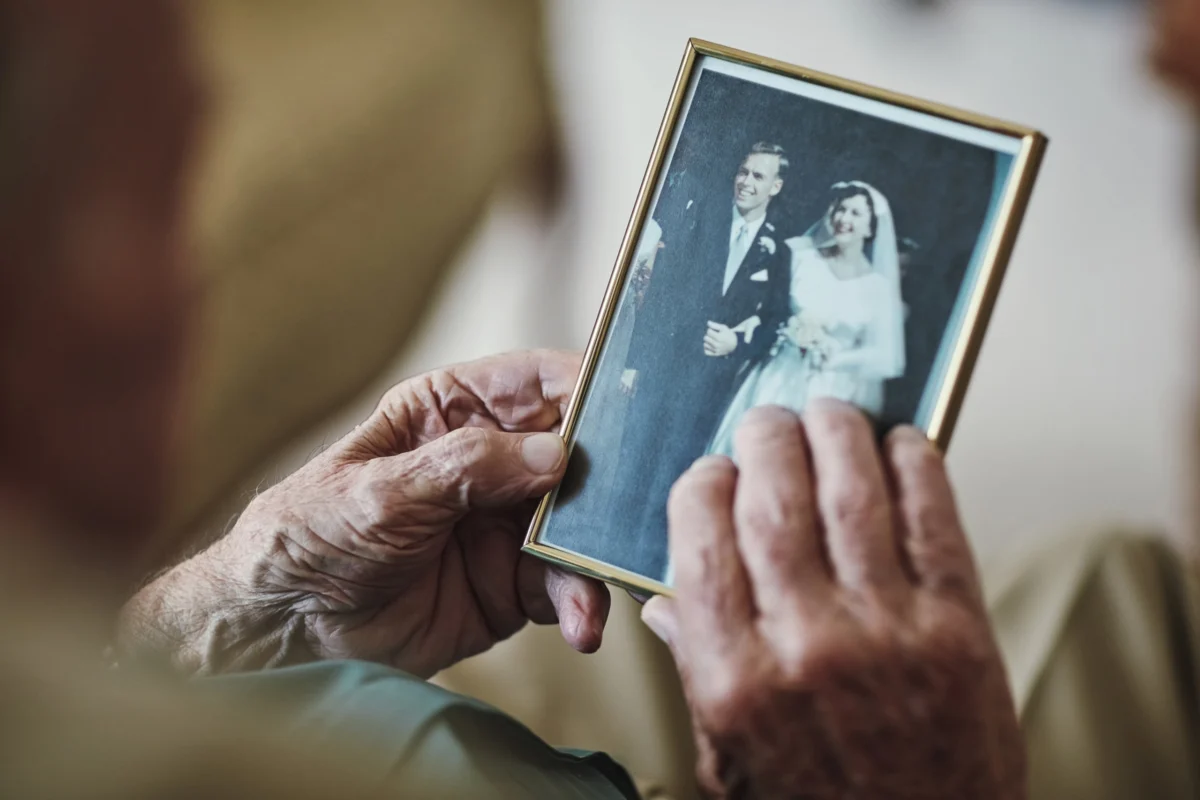
As the calendar turns to May, two critical observances converge: Older Americans Month and Mental Health Awareness Month. While these milestones are often celebrated with calls for improved healthcare access and policy reform, they also serve as a poignant reminder of an often-overlooked public health crisis: the pervasive and damaging nature of loneliness among the elderly.
Loneliness is not merely an emotional inconvenience; it is a physiological threat. As we navigate an increasingly digital and physically fragmented world, the disconnect between generations and the loss of traditional community anchors have left millions of older adults in a state of profound social isolation. Understanding this phenomenon is the first step toward reclaiming the health and dignity of our aging population.
The Scope of the Crisis: Main Facts
Loneliness is a universal human experience, but for the senior population, it has become a structural condition of daily life. According to data provided by the National Institute on Aging (NIA), approximately one in four adults aged 65 and older report experiencing social isolation.
Social isolation—the objective state of having few social relationships or infrequent social contact—often exists in tandem with loneliness, which is the subjective feeling of being alone. While they are distinct concepts, their intersection creates a dangerous environment for older adults. The crisis is multifaceted; it is driven by the erosion of social networks, the rapid pace of technological change, and the physical limitations that often accompany the aging process.
A Chronology of Declining Connection
The path to isolation for an older adult is rarely sudden. Instead, it is often a gradual decline driven by a series of life-altering events:
- The Transition into Retirement: For many, the workplace provides a primary social structure. The cessation of a professional career can lead to a sudden void in daily human interaction.
- The Loss of Peers and Spouses: As cohorts age, the death of a partner, friends, or siblings reduces the individual’s social support system, often leaving them without the confidants they relied on for decades.
- Physical and Sensory Decline: The onset of chronic illness, hearing loss, or vision impairment creates barriers to social engagement. When an individual can no longer easily navigate public spaces or hear clearly in group settings, they often withdraw to avoid the anxiety of social failure.
- Digital Disenfranchisement: As banking, healthcare coordination, and social interaction move to digital platforms, those without technical literacy or reliable internet access are effectively barred from modern civic participation.
The Biological Toll: Supporting Data
The medical community has moved beyond viewing loneliness as a psychological state, now categorizing it as a significant risk factor for chronic physical disease. The research, much of which is supported by the Centers for Disease Control and Prevention (CDC) and the NIA, highlights a chilling correlation between isolation and morbidity.
Increased Mortality Risks
Loneliness has been linked to a 29% increase in the risk of heart disease and a 32% increase in the risk of stroke. The physiological stress response associated with chronic loneliness—specifically, the sustained elevation of cortisol and inflammatory markers—wreaks havoc on the cardiovascular system.
Cognitive Decline and Dementia
Perhaps most alarming is the link between social isolation and cognitive health. Studies indicate that socially isolated older adults have a 50% increased risk of developing dementia. The brain, a social organ, requires the stimulation of regular, varied human interaction to maintain neuroplasticity. When that stimulation is removed, cognitive decline often accelerates.
Mental Health Comorbidities
The relationship between loneliness and depression is cyclical. Isolation triggers depressive symptoms, and the resulting lethargy and low self-esteem make it more difficult for the individual to initiate social contact, thereby reinforcing the isolation. This cycle often exacerbates anxiety and substance misuse among seniors who may turn to alcohol or over-the-counter medications to numb the discomfort of their isolation.
Barriers to Mobility and Communication
Social isolation is frequently exacerbated by physical limitations that inhibit an individual’s ability to "age in place" while remaining socially active. These barriers include:
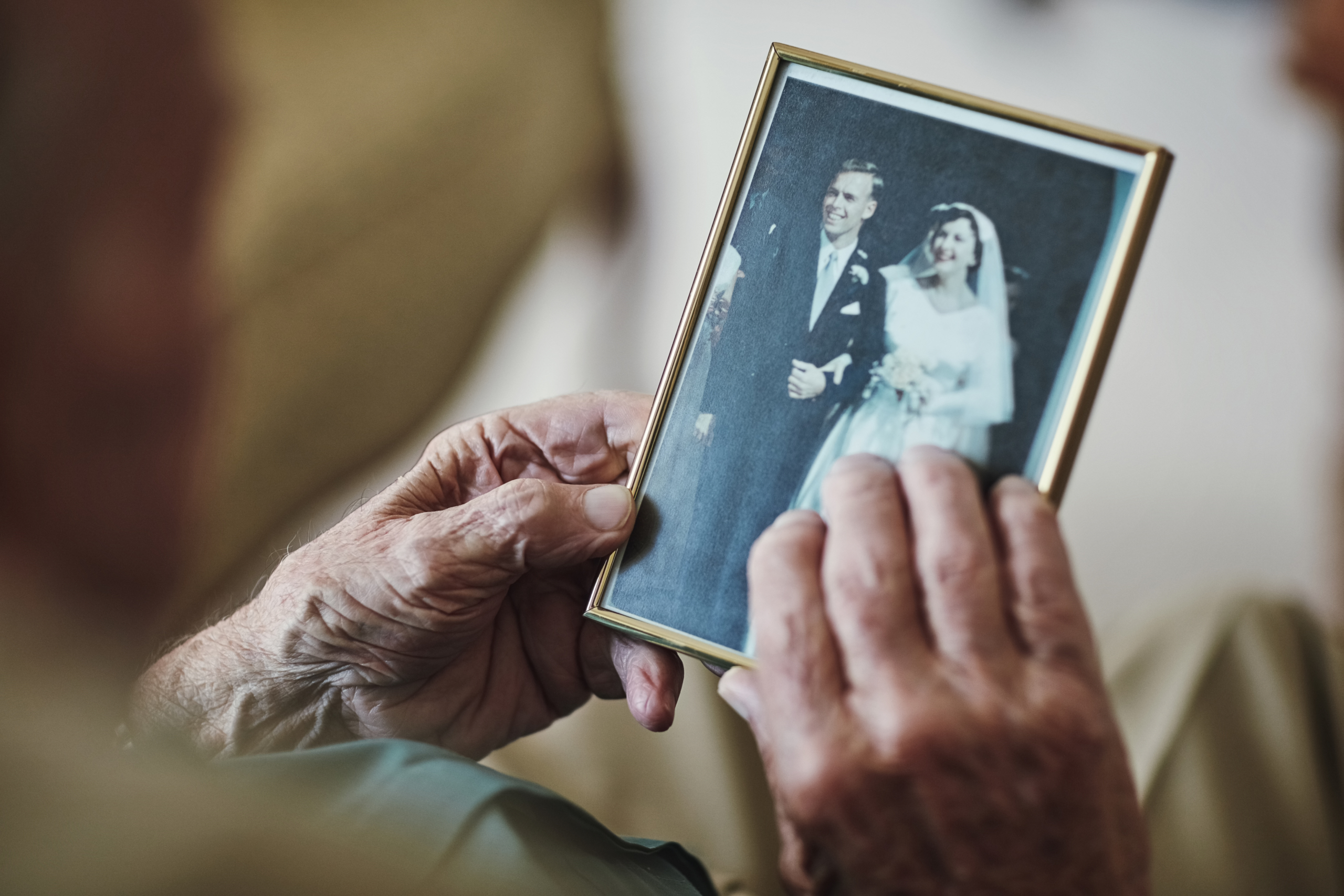
- Declining Mobility: The inability to drive safely, fear of falling, or difficulty utilizing public transportation creates a "geographic prison." If an individual cannot easily access a community center, church, or library, they become confined to their immediate residence.
- Sensory Impairment: Unaddressed hearing loss is a major contributor to withdrawal. When conversation becomes a struggle, the effort required to participate often outweighs the pleasure, leading the individual to opt for silence and isolation.
- Chronic Pain: Persistent physical discomfort makes the prospect of leaving the house or hosting guests physically taxing, causing many to decline invitations until they stop receiving them altogether.
Official Responses and Policy Implications
Federal health agencies have begun to prioritize social connectivity as a core component of "Healthy Aging." The NIA has spearheaded several initiatives designed to bridge the gap between isolated seniors and their communities.
The Role of Technology and Toolkits
The NIA has developed extensive resources—often referred to as "toolkits"—that provide older adults with strategies to maintain social connectivity. These resources emphasize the importance of identifying personal interests, leveraging local community centers, and even utilizing technology to maintain contact with distant family members.
The Eldercare Locator
A vital resource in this battle is the Eldercare Locator, a public service of the U.S. Administration for Community Living. This directory serves as a centralized hub for individuals to find local services, ranging from transportation assistance and meal delivery programs to adult day care centers. These services are not merely logistical solutions; they are, at their core, intervention strategies meant to facilitate human contact.
The Need for Structural Change
Public health experts argue that addressing loneliness requires a shift in how we design our communities. "Age-friendly" urban planning—which includes better lighting, accessible public transit, and walkable neighborhood hubs—is essential. Furthermore, there is a growing call for the integration of social health screenings into primary care visits. If a physician can screen for high blood pressure, they should also be screening for "social vitality."
Implications: A Future Built on Connection
The implications of ignoring this issue are dire, not just for the individual, but for society at large. An isolated population is a vulnerable one, placing increased pressure on emergency services, long-term care facilities, and the mental health system.
However, the solution lies in a multi-pronged approach that combines clinical intervention with community-based support. We must redefine retirement not as a period of withdrawal, but as a phase of life where social contribution is valued and facilitated. Programs that pair older adults with volunteer opportunities, intergenerational housing models where students live with seniors, and the expansion of community-based social programs are all proven strategies to combat this epidemic.
As we conclude this observance of Older Americans Month, we must recognize that the responsibility to combat loneliness does not rest solely on the shoulders of the elderly. It is a collective responsibility. It requires family members to check in more frequently, neighbors to foster inclusive environments, and policymakers to prioritize infrastructure that promotes human interaction over convenience.
Loneliness may be the silent epidemic of our time, but it is not an inevitable part of aging. By acknowledging the data, understanding the barriers, and leveraging the resources available, we can rebuild the social fabric that keeps our aging population connected, healthy, and visible.
Katie Riley serves as Vice President of Communications at the Alliance. For more information on resources available to support aging adults, please visit the National Institute on Aging or the Eldercare Locator.