For more than a decade, the Alzheimer’s Association has utilized the summer solstice—the day with the longest stretch of sunlight in the Northern Hemisphere—to shine a literal and metaphorical light on a disease that often feels like an endless night for families. Historically known as "The Longest Day," this campaign has served as a poignant reminder that for those caring for a loved one with Alzheimer’s, every single day can feel like the longest day of their lives.
However, as the landscape of Alzheimer’s research and patient advocacy shifts, so too must the strategies we use to engage the public. This year, the Alzheimer’s Association has officially rebranded its cornerstone grassroots campaign to "Do What You Love to End ALZ." While the spirit of the movement remains firmly rooted in personal connection and community action, the shift reflects a broader, more flexible approach to advocacy that recognizes the ongoing nature of the fight against neurodegenerative diseases.
Main Facts: The Transition to Continuous Advocacy
The core premise of the campaign remains refreshingly simple: participants are invited to leverage their personal passions—whether that be baking, bridge, hiking, karaoke, or knitting—to raise funds for care, support, and critical research. By removing the constraints of a single calendar day, the organization is acknowledging that the crisis of Alzheimer’s does not respect the clock or the calendar.
"Do What You Love to End ALZ" is designed to be accessible. It does not require the intensive logistics of a gala, the physical training of a marathon, or a massive marketing budget. Instead, it prioritizes the intimacy of personal networks. By engaging friends, family, and colleagues in activities that are already a part of the participants’ lives, the campaign effectively democratizes the fundraising process.
Key facts regarding the new initiative include:
- Decoupling from the Solstice: The initiative is no longer confined to June, allowing for year-round fundraising momentum.
- Lowering Barriers to Entry: By focusing on pre-existing hobbies, the campaign removes the intimidation factor often associated with traditional charity events.
- Direct Impact: Every dollar raised is funneled directly into the Alzheimer’s Association’s multi-faceted mission of providing care for families, professional support for caregivers, and funding for breakthrough clinical research.
Chronology: A Decade of Light
The evolution of this campaign is a testament to the Alzheimer’s Association’s ability to adapt to changing social dynamics.
- 2013–2025 (The Longest Day Era): The campaign established itself as a global movement. During these years, thousands of participants aligned their efforts with the June solstice. The symbolism was powerful: the longest day of light served as a beacon of hope against the darkness of cognitive decline.
- 2024–2025 (The Strategic Pivot): Recognizing that the Alzheimer’s epidemic requires sustained, consistent pressure rather than sporadic bursts of attention, leadership within the organization began exploring ways to make the campaign more accessible and continuous.
- 2026 (The Rebrand): The official transition to "Do What You Love to End ALZ" was launched. This marks a new era where the advocacy is integrated into the daily lives of participants, rather than being an annual "event."
Supporting Data: Why Sustained Advocacy Matters
The necessity for this evolution is backed by sobering statistics. According to the Alzheimer’s Association, more than 6 million Americans are currently living with Alzheimer’s disease. By 2050, this number is projected to rise to nearly 13 million.
Furthermore, the economic and social burden is staggering. In 2024 alone, the total payments for health care, long-term care, and hospice services for people with Alzheimer’s and other dementias are projected to reach $360 billion. These figures do not account for the billions of hours of unpaid care provided by family members, which would have a value of hundreds of billions of dollars if calculated at standard market rates.
The "Do What You Love" model addresses the "caregiver gap" by building a broader, more sustainable community of donors. By keeping the cause top-of-mind throughout the year, the campaign helps ensure that the momentum for legislative and scientific progress does not wane during the "off-season."
Official Responses: A Vision for the Future
The move to rebrand has been met with broad support from the scientific and advocacy communities. Katrin Werner-Perez, Director of Health Programs at the Alliance for Aging Research, emphasizes the importance of these grassroots efforts in the current climate of scientific advancement.

"While we have seen exciting new milestones in the Alzheimer’s research and treatment space, the work is far from finished," Werner-Perez notes. "Efforts like this one are vital because they provide the necessary bridge between clinical discovery and real-world implementation. By turning personal passions into tangible support, we are not just funding labs; we are funding the daily lives of those struggling with neuropsychiatric symptoms and the families who care for them."
The Alzheimer’s Association maintains that this shift is about empowerment. By allowing participants to choose the timing and nature of their events, the organization has created a more inclusive platform. Whether it is a small book club meeting or a large-scale community walk, the message remains the same: collective action, regardless of size, creates a powerful ripple effect.
Implications: The Future of Grassroots Fundraising
The implications of this shift are profound for the non-profit sector. By moving away from the "event-based" model toward a "lifestyle-based" model, the Alzheimer’s Association is setting a blueprint for how charities can maintain relevance in an increasingly fragmented media landscape.
1. The Power of Personalization
When people fundraise through their own hobbies, they are more likely to stay committed. It transforms the act of donating from a passive transaction into a personal expression of identity.
2. Addressing Caregiver Burnout
Caregiving is isolating. By encouraging supporters to participate in activities they love—socializing, exercise, creative arts—the campaign implicitly encourages caregivers to engage in self-care, albeit while serving a greater cause.
3. Sustained Research Funding
Scientific progress in the field of Alzheimer’s—such as the development of monoclonal antibody therapies and new diagnostic biomarkers—requires a continuous pipeline of funding. Year-round fundraising ensures that the momentum in these areas is not stalled by the "gaps" between traditional awareness months or seasonal campaigns.
How to Get Involved
The process of taking part in "Do What You Love to End ALZ" is designed to be as seamless as possible:
- Select Your Activity: Choose something you are already passionate about. It could be anything—from a neighborhood bake sale to a virtual chess tournament, a yoga class for seniors, or even a local concert.
- Register and Customize: Visit the official Do What You Love to End ALZ website. Create a personal page where you can share your "why"—your personal connection to the cause—and set your fundraising goal.
- Engage and Amplify: Use social media, email, and personal networks to share your activity. Invite others to participate or contribute.
Creative Activity Ideas
- Fitness for All: Organize a walk, a low-impact stretching class, or a dance-a-thon. Movement is a key component of brain health.
- The Culinary Approach: Host a dinner party or a bake-off. Food is a universal language that brings people together for conversation.
- Creative Pursuits: Host a virtual art showcase or a book club discussion on a theme related to aging or brain health.
- Skill-Sharing: Offer a workshop—like coding, painting, or gardening—and ask for donations in lieu of a class fee.
Conclusion
The transition from the "Longest Day" to "Do What You Love to End ALZ" is more than just a change in branding; it is a fundamental shift in how we conceive of social progress. It recognizes that the fight against Alzheimer’s is not a sprint that can be completed in a single day, but a marathon that requires the endurance of an entire community.
As we look toward the future, the success of this initiative will depend on the ingenuity and passion of individuals across the country. Every hobby-turned-fundraiser serves as a building block for a future where Alzheimer’s is no longer a terminal sentence, but a manageable condition. For those currently navigating the complexities of the disease—whether as patients, caregivers, or researchers—this grassroots support provides the most vital resource of all: the knowledge that they are not alone.
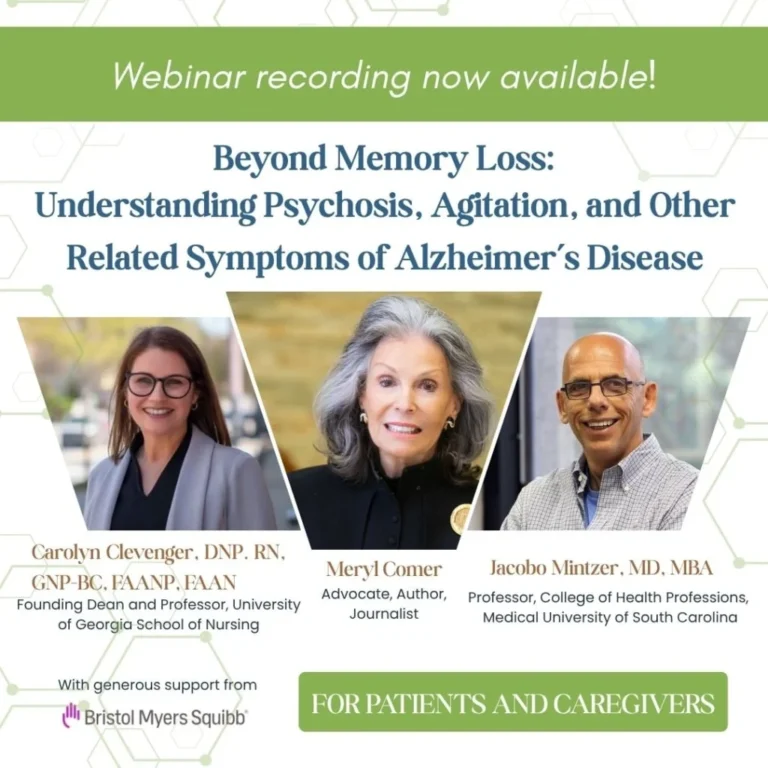
To join the movement, visit the official campaign website today. Furthermore, to deepen your understanding of the landscape, you are encouraged to explore resources on Neuropsychiatric Symptoms of Alzheimer’s, tips for managing agitation, and the ongoing advocacy efforts of initiatives like Project PAUSE. Together, by doing what we love, we can bring an end to the darkness of Alzheimer’s.